


Oct 08, 2026
Mar 08, 2026
6 Mins Read

Summarize with:
How Women Are Navigating the Cybersecurity Career Ladder in 2026
March 8 is a good day to listen. Not only to achievements, but to the day-to-day realities behind them, especially in cybersecurity, where the work is intense, and the expectations are high. Research suggests women account for about 22% of security teams on average, a reminder that progress is real, but representation is still uneven.
That difference matters. Because in 2026, career progression isn’t only a checklist of certifications and promotions. It’s about confidence in technical rooms, visibility for behind-the-scenes impact, resilience after mistakes, and workplaces that leave room for the human being behind the role. When women across SOCRadar share their experiences, openly, honestly, and sometimes with humor, they’re not just telling stories. They’re showing what sustainable growth really looks like.
Subtle Assumptions Still Shape Career Experience
In 2026, the “career ladder” is about more than moving up. It’s about staying resilient in a demanding field, having your impact recognized, and being able to grow without carrying unnecessary friction. And for many women, that friction still shows up in subtle ways.

Women in the field of cybersecurity
One story shared internally at SOCRadar captured a familiar dynamic: instead of being asked about major professional accomplishments, the conversation shifted to a “life plan” – marriage, children, and whether family might limit success. The point wasn’t that one question derails a career. It’s that assumptions can be persistent and surprisingly quiet, and they change the emotional math of career growth.
When that’s the backdrop, advancement becomes more than “work hard and get promoted.” It also becomes:
- learning when (and how) to challenge an assumption calmly
- finding leaders who recognize outcomes, not stereotypes
- building confidence that doesn’t require constant self-defense
This is where culture matters. Organizations can’t control every external bias women encounter, but they can decide what gets rewarded, how performance is evaluated, and whether growth conversations feel clear and fair.
Visibility Is a Skill, Not a Personality Trait
In cybersecurity, plenty of high-impact work happens behind the scenes: tuning alerts, writing detections, reducing false positives, cleaning data, validating exposure, and improving response playbooks. It’s essential – yet not always visible.
Women on our team have emphasized something simple: recognition doesn’t need to be grand. Often, it’s about being genuinely seen, about a teammate or leader noticing the work behind the work. As one colleague put it, what matters is “a sense of feeling that you understand us… that you know what we are dealing with.”
That understanding shows up in practical ways:
- managers connecting work to outcomes during reviews
- leaders giving credit clearly in cross-team channels
- teammates noticing the effort behind delivery; not only the delivery itself
In 2026, one of the fastest ways to climb the career ladder is to pair strong execution with a basic habit: make impact legible. Not through loud self-promotion, but through crisp updates, short demos, and measurable wins.
Sustainable Growth Beats Perfection Every Time
Cybersecurity attracts people who care deeply about accuracy. That’s a strength. But it can also turn into pressure, especially when mistakes feel expensive, public, or personal.
Several women at SOCRadar echoed the same idea: the goal isn’t to be flawless. The goal is to be resilient. One story that stuck with many of us described a child calling a mistake a “beautiful oops.” Not to minimize it, but to focus on what matters most: how you recover.
That lesson lands especially well in security work, where reality is messy:
- incidents happen
- priorities shift
- threat landscapes change
- humans are always part of the system
Or, as one colleague said with a smile: “We should not be perfect… we need to be the better version, not the best.” This mindset doesn’t lower standards. It protects momentum. It keeps learning alive.
Support Systems Aren’t Optional in High-Pressure Work
Women in cybersecurity are often asked, “How do you do it all?” The honest answer is: you don’t. At least not alone, and not without structure.
Inside SOCRadar, women described growth strategies that sound simple but are surprisingly powerful:
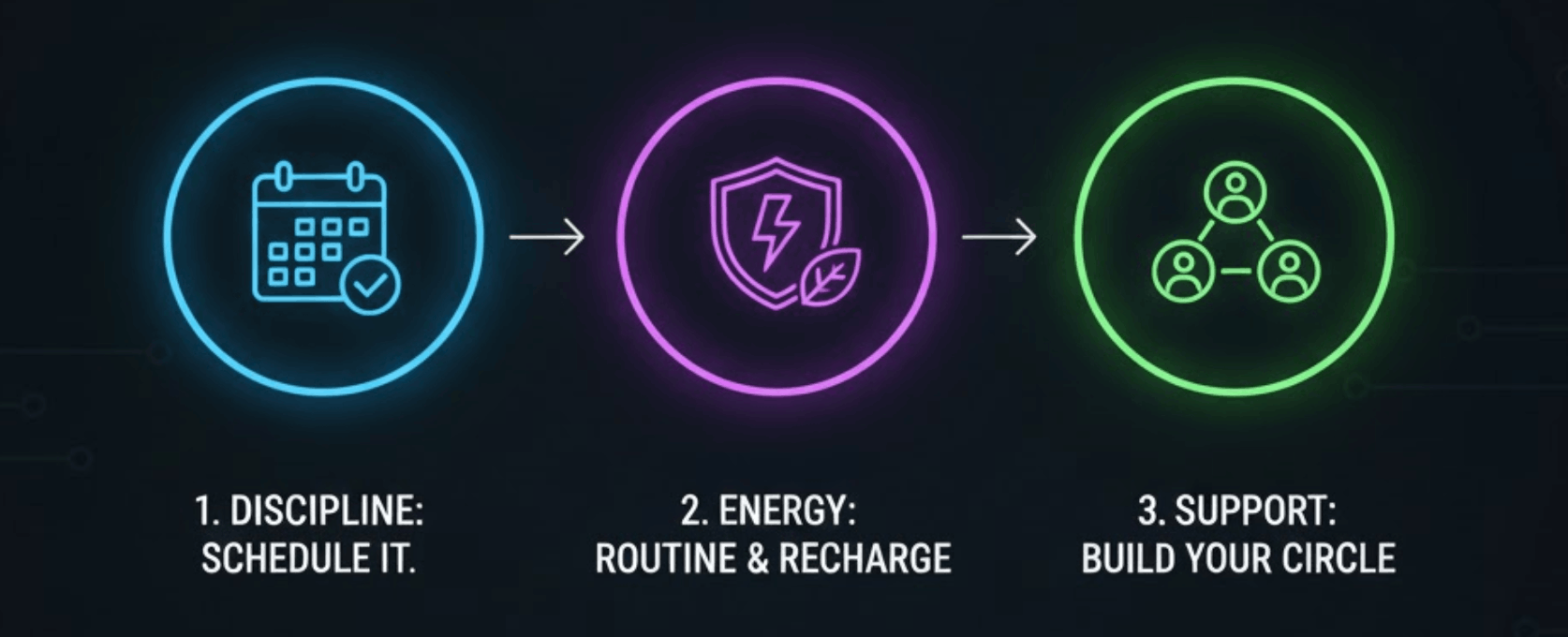
- calendar discipline for both work and life (yes, even personal calls and walks)
- routines that protect energy during intense periods
- support networks (friends, partners, colleagues) who make demanding seasons survivable
One quote captured this clearly: “We are not a superpower, so we need to understand ourselves first.” Sustainable performance starts with self-awareness, not self-sacrifice.
And support isn’t only personal organization, it’s also cultural. Women repeatedly emphasized the value of:
- safe spaces to ask questions and learn openly
- mentorship and sponsorship (advocacy matters as much as advice)
- shared responsibility and allyship across teams
On that last point, one message was especially practical: allyship isn’t abstract. Sometimes it’s as simple as advocating for women in the room, ensuring the workplace remains a safe space, and being willing to mentor so that growth isn’t harder than it needs to be.
The Stories Behind the Screens
As part of how we mark Women’s Day internally, we hosted a conversation where women across SOCRadar shared real moments from their careers and lives: what helped, what challenged them, and what they wish more people understood.
Some of those moments were deeply serious: the subtle assumptions, the pressure to be perfect, the guilt that can show up when life is full in more than one direction.
And some of them were delightfully human. One colleague admitted her motivation on tough days can be surprisingly practical: showing up, doing the work well, and keeping life running – including for a cat with very specific standards. It’s a light detail, but it carries a real point: motivation doesn’t always come from big speeches. Sometimes it comes from responsibility, consistency, and the everyday decision to keep going.

The same idea applies to self-expression. One story contrasted a past workplace where purple hair was treated as unprofessional with a simple, respectful response in the present: it’s your hair – do whatever you want. These details may seem small, but they signal something big: you can bring your full self to the work.
Conclusion
In 2026, women are navigating cybersecurity careers with a mix of ambition and realism:
- they’re choosing paths that fit their strengths – not templates
- they’re building visibility in ways that feel authentic
- they’re rejecting perfectionism in favor of learning and resilience
- they’re pushing for cultures where support is normal, not exceptional
And when women share these experiences inside a company – openly, with trust – it signals something important: a culture that doesn’t just celebrate outcomes, but also respects the people creating them.
Because in cybersecurity, the ladder matters. But the environment matters more.

Table Of Content
How Women Are Navigating the Cybersecurity Career Ladder in 2026
Subtle Assumptions Still Shape Career Experience
Visibility Is a Skill, Not a Personality Trait
Sustainable Growth Beats Perfection Every Time
Support Systems Aren’t Optional in High-Pressure Work
The Stories Behind the Screens
Conclusion
Related Articles

PEEP: A Browser RAT Posing as a Chrome Extension
Sep 04, 2026

Exposing AnonyMousKIT: AI-Powered PhaaS Supply Chain
Aug 24, 2026