

| Risk model: Assess a wearable as an ecosystem, not as a gadget. Inventory the device, radio interfaces, paired hosts, mobile app, accounts, APIs, backend services, third parties, update channel, data-retention rules, and end-of-life process. |
|---|
Jul 27, 2026
23 Mins Read
Jul 28, 2026

Summarize with:
Cyber Risks for Wearable Technologies
A smartwatch can unlock a door, approve a payment, display an authentication prompt, read a message, and record a user’s heart rhythm without ever leaving the wrist. Fitness bands and smart rings build detailed patterns of sleep, movement, stress, and location. Smart glasses add cameras, microphones, eye tracking, and spatial maps. Medical wearables can influence treatment decisions or deliver therapy. Each function is useful, but each also creates data, trust relationships, and failure modes that security teams must understand.
The central risk is not that every wearable is easy to hack. Mature platforms may use encrypted storage, secure boot, signed updates, hardware-backed keys, and well-tested mobile ecosystems. The problem is that wearable security depends on an unusually long chain: sensors, embedded firmware, wireless protocols, a paired phone, a companion app, cloud APIs, analytics services, third-party integrations, and sometimes clinical systems. Weakness at any point can undermine the protections elsewhere.
This article examines that chain as one connected attack surface. It focuses on the risks that recur across consumer, enterprise, industrial, and healthcare use cases, then explains what users, organizations, and manufacturers can do to reduce exposure.
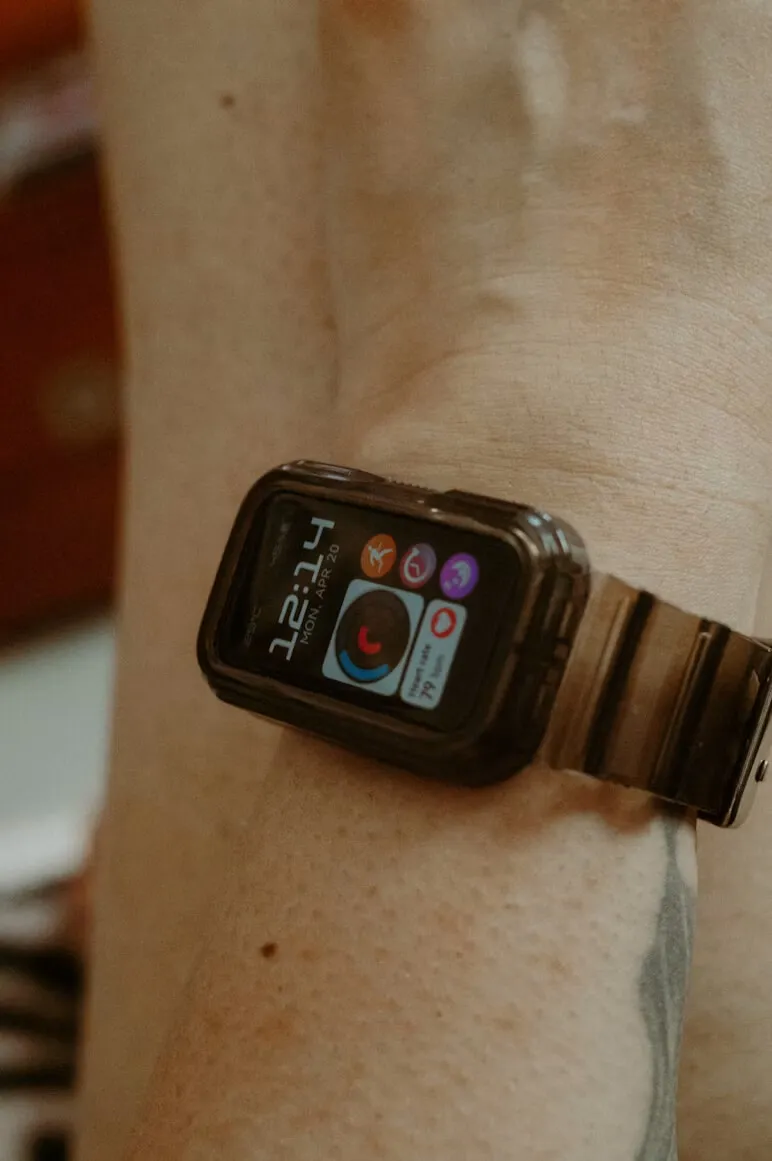
A modern smartwatch combines health monitoring, communications, applications, and account access within a single wearable endpoint.
Key Takeaways
- Wearable risk extends beyond the device. Companion apps, identity systems, APIs, cloud storage, analytics tools, and third-party integrations often hold more data and present a larger remote attack surface than the wearable itself.
- Biometric and behavioral telemetry is difficult to reset. Passwords can be changed, but long-term health patterns, movement routines, voice recordings, and physiological characteristics may remain sensitive for years.
- Bluetooth and other wireless links create proximity-based opportunities, but the practical weakness is usually an insecure pairing mode, exposed service, flawed implementation, or poor key management rather than the mere use of BLE.
- The most serious medical-wearable scenarios involve integrity and availability, not only confidentiality. False readings, delayed alerts, unavailable telemetry, or unauthorized therapy changes can affect patient safety.
- Organizations need explicit wearable rules inside BYOD, mobile security, clinical engineering, privacy, and third-party risk programs. Ignoring the category does not remove it from the environment.
- Secure design must cover the full product lifecycle, including unique device identity, least privilege, signed firmware, protected data, vulnerability disclosure, a supported update process, and an end-of-support plan.
Understanding the Wearable Ecosystem
What Counts as Wearable Technology?
Wearable technology includes electronic devices designed to be worn on or closely attached to the body. Common examples include smartwatches, fitness trackers, smart rings, connected clothing, hearing devices, body cameras, augmented and virtual reality headsets, industrial safety sensors, continuous glucose monitors, cardiac monitors, and medication-delivery systems. Some act mainly as sensors. Others support communications, payments, authentication, navigation, or direct clinical functions.
The security context differs sharply by category. A low-cost step counter with no cloud account does not present the same risk as a smartwatch linked to corporate email, and neither should be assessed like a networked insulin-delivery system. Risk depends on what the device can sense or control, where its data travels, which identities it trusts, whether it can be updated, and what happens if its output becomes wrong or unavailable.
Why Is the Wearable Attack Surface So Broad?
Wearables are constrained computers. Small batteries, limited processing power, minimal screens, and convenience-focused interfaces shape how they authenticate users and protect data. Many devices remain unlocked while worn, rely on a paired phone for account management, and use wireless connections continuously. These design constraints can make strong verification harder at precisely the moments when trust is established.
At the same time, the device is only the visible endpoint. A typical data flow starts with a sensor, passes through firmware and a local radio, enters a companion app, and then reaches a vendor cloud. From there, data may flow into dashboards, healthcare portals, social features, advertising or analytics tools, corporate wellness systems, and research platforms. Every handoff introduces another authentication decision, storage location, software dependency, and potential breach path.
Cybersecurity Threats Facing Wearable Technologies
Sensitive Biometric and Behavioral Data Exposure
Wearables collect data that is both intimate and longitudinal. A single heart-rate reading may reveal little, but months of heart-rate variability, sleep timing, exercise patterns, temperature changes, GPS routes, and stress indicators can build a detailed behavioral profile. Smart glasses and headsets can add video, voice, gaze, room geometry, and hand-movement data. Industrial wearables may record worker location, fatigue, exposure conditions, and productivity signals.
This creates a confidentiality problem with unusual persistence. Account credentials can be reset after a breach; a history of medical conditions, home addresses inferred from nightly location, or recognizable behavioral routines cannot. Aggregated datasets may also be re-identifiable when location, timestamps, demographics, or rare activity patterns are combined.
Legal protection is not uniform. In the United States, health information held by a covered healthcare entity may fall under HIPAA, while data in a consumer wellness ecosystem may instead be governed by other privacy and consumer-protection rules. The FTC’s Health Breach Notification Rule guidance clarifies that certain health apps, connected devices, and related services outside HIPAA can still have breach-notification obligations. Classification therefore depends on the entity, product, data flows, and use case, not simply on whether the device records health information.
Unauthorized sharing is another risk even when no attacker breaks in. Broad software development kits, advertising identifiers, analytics tools, and permissive integrations can move wearable data beyond the context in which the user expected it to be used. Consent screens may bundle necessary processing with optional marketing or research. Organizations that sponsor wellness programs can create additional concerns if participation, employment decisions, or insurance incentives become entangled with sensitive telemetry.
Wireless and Proximity-Based Attacks
Bluetooth Low Energy is common because it supports short-range communication with modest power use. Wearables may also use classic Bluetooth, Wi-Fi, NFC, cellular connections, ultra-wideband, or proprietary radio protocols. Wireless access expands the attack surface beyond physical ports and can expose device presence, identifiers, service information, and data exchanges to nearby observers.
The OWASP IoT Security Testing Guide treats wireless interfaces as a distinct part of IoT testing because authorization, configuration, cryptography, information disclosure, and patch management must all be examined at the radio layer. Useful tests include checking whether a device remains discoverable, whether pairing properly authenticates both parties, whether sensitive characteristics require authorization, whether identifiers rotate, and whether messages can be replayed or modified.
It is inaccurate to describe BLE itself as having no meaningful security. Modern versions support authenticated pairing and encryption, but products do not always use the strongest available mode. “Just Works” pairing may be necessary for devices without input or display capabilities, yet it offers less assurance against man-in-the-middle attacks than passkey, numeric-comparison, or out-of-band methods. Security also depends on correct implementation, randomness, key storage, service authorization, and firmware maintenance.
Attackers within radio range may attempt passive tracking through stable identifiers, eavesdrop during vulnerable exchanges, impersonate a trusted peer, enumerate exposed services, send unauthorized commands, replay captured messages, exploit a vulnerable Bluetooth stack, or jam the link. Proximity limits broad internet-scale exploitation, but it may be easy to achieve in hospitals, offices, conferences, transit hubs, gyms, or a target’s home environment.
Companion App and Cloud API Weaknesses
A wearable’s small screen and limited compute capacity push complex operations onto the smartphone and vendor cloud. The companion app may handle login, firmware delivery, data export, social sharing, payments, device recovery, and third-party integrations. That makes it a high-value control point. A flaw in the device may require physical proximity; a broken cloud authorization check can expose many users remotely.
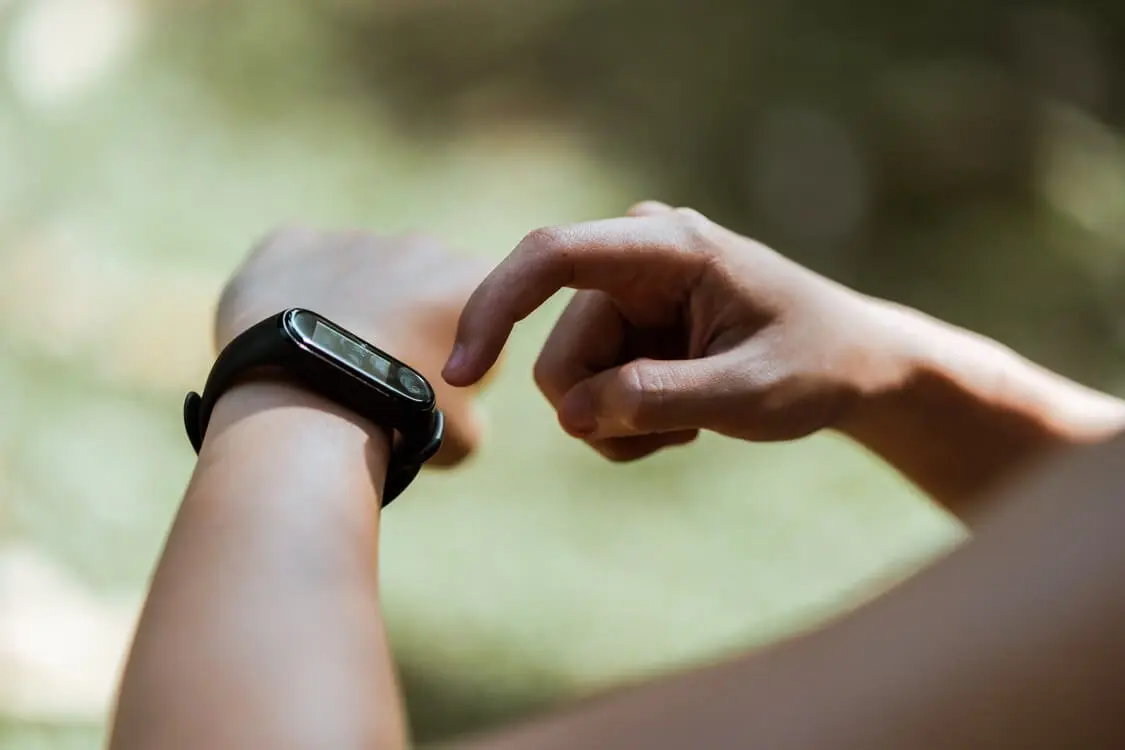
Wearables often depend on companion applications for data synchronization, account management, configuration, and access to cloud services.
Common app and API weaknesses include:
- Embedded secrets and insecure storage: Hardcoded credentials, exposed tokens, mobile logs, backups, or caches can reveal access to wearable data.
- Weak authentication and session handling: Poor session controls or missing rate limits can make account takeover and automated abuse easier.
- Excessive mobile permissions: Overprivileged or exported components may expose data and functions beyond what the companion app requires.
- Broken API authorization: Insecure direct object references can allow one account to retrieve another user’s records.
- Untrusted dependencies and transport flaws: Vulnerable libraries or poor certificate validation can weaken an otherwise secure device ecosystem.
The OWASP Mobile Application Security Testing Guide provides a practical basis for testing companion apps, while normal web and API security controls apply to the backend. Organizations should also examine OAuth scopes and integration tokens. A fitness platform connected to multiple services can create a chain of delegated access that survives longer than the user expects.
The paired phone can connect personal and enterprise trust zones. A BYOD device may hold email, VPN access, cloud sessions, and authenticator apps alongside the wearable companion app. This does not mean a compromised fitness tracker automatically grants access to the corporate network, but a vulnerable or overprivileged companion app can increase the attack surface of a phone that already contains valuable enterprise credentials.
Firmware and Update Security Gaps
Firmware controls sensing, storage, radio behavior, and trust decisions. If a device accepts unsigned or improperly verified updates, an attacker may be able to install modified code, preserve access after a reset, falsify readings, or extract keys. Hardcoded credentials, shared certificates, exposed debugging interfaces, and secrets stored without hardware protection can turn one compromised unit into a broader product risk.
Secure boot and signed updates help ensure that only authorized code runs, but they must be paired with rollback protection, protected keys, and a recovery process. An update channel that is cryptographically strong but rarely used does not solve vulnerability exposure. Products also need a clear support period, an inventory of software components, coordinated vulnerability disclosure, and a way to notify owners when remediation is available.
The NIST IoT Device Cybersecurity Capability Core Baseline identifies foundational capabilities that apply well to wearables: device identification, configuration, data protection, logical access control, secure software updates, and cybersecurity-state awareness. These capabilities provide a useful procurement and design checklist, even though individual products need risk-specific requirements beyond the baseline.
Supply-chain risk adds another layer. A wearable may include a system-on-chip, radio stack, sensors, bootloader, operating system, mobile SDKs, and cloud components from different suppliers. A vendor cannot manage what it cannot inventory. Software bills of materials, component monitoring, supplier security requirements, reproducible builds where feasible, code signing, and manufacturing controls help reduce blind spots.
Medical Wearable and Patient Safety Risks
For most consumer wearables, the immediate impact of compromise is more likely to involve privacy, fraud, tracking, or account abuse than physical harm. The risk changes when a wearable informs clinical decisions, triggers alarms, supports industrial work, or delivers therapy. In these settings, integrity and availability become as important as confidentiality.
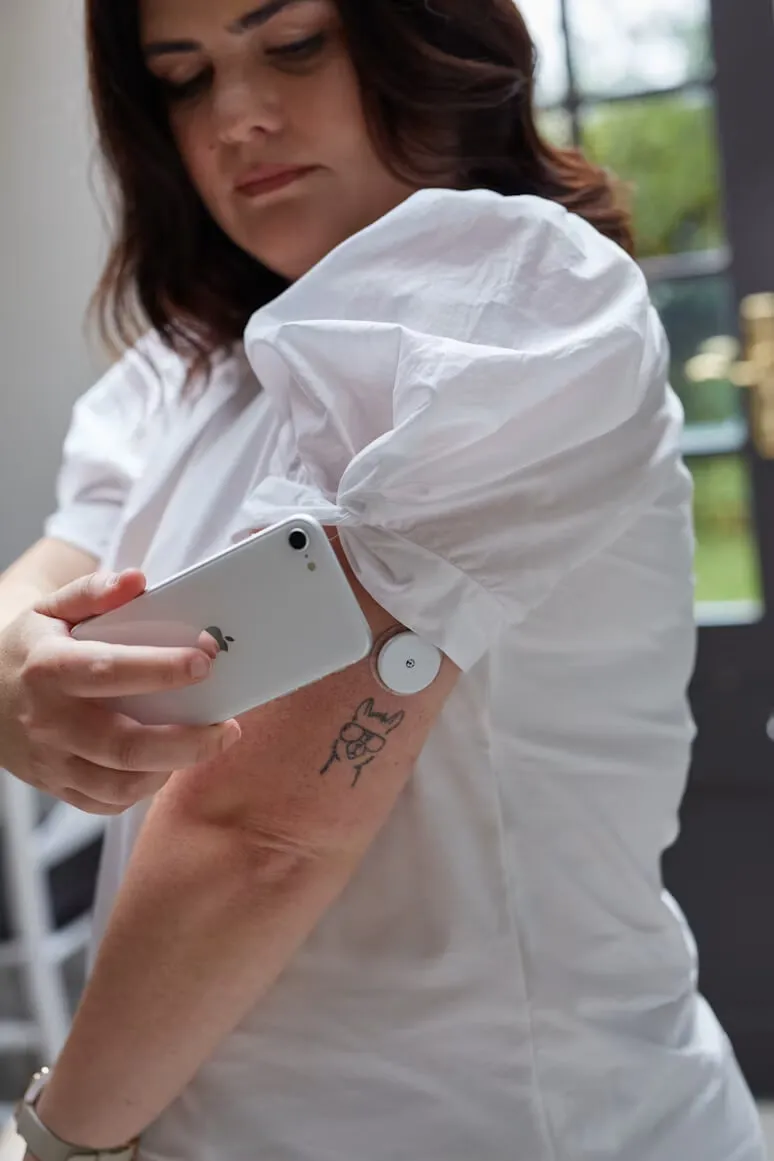
Connected medical wearables can transmit readings through smartphones and cloud services, extending the safety and security boundary beyond the sensor itself.
The main safety consequences include:
- Manipulated readings: False telemetry can lead a patient or clinician toward the wrong decision.
- Interrupted monitoring: A denial-of-service condition can make important telemetry unavailable.
- Delayed or suppressed alerts: Missing warnings can hide clinical deterioration.
- Unauthorized commands: Control over a therapeutic device can create direct physical harm.
Public examples of targeted malicious attacks against individual medical-wearable users remain limited, but the potential consequence requires careful engineering even when likelihood is low.
The FDA’s February 2026 medical-device cybersecurity guidance frames cybersecurity as a lifecycle quality consideration. It addresses secure product development, threat modeling, security architecture, testing, labeling, software updates, vulnerability management, and documentation for premarket submissions. The FDA also discusses software bills of materials and plans for patches and updates across the total product lifecycle.
Healthcare organizations must evaluate the entire remote-monitoring path, including the patient device, home gateway or phone, vendor service, clinical dashboard, interfaces to the electronic health record, and staff response workflow. Security monitoring should distinguish a cyber anomaly from a sensor fault or real clinical event without creating unsafe delays.
Privacy and Surveillance Risks in Smart Glasses
Smart glasses and head-mounted displays extend wearable risk into the surrounding environment. Cameras, microphones, eye tracking, hand tracking, depth sensors, and spatial mapping can capture people who never agreed to use the device. In a workplace, that may include whiteboards, screens, access badges, customer information, machinery, conversations, and the physical layout of restricted areas.

Camera-equipped glasses and immersive wearables can capture bystanders, conversations, screens, physical spaces, and other contextual information
A compromised headset account or cloud service could expose recordings and environmental data. Malicious software could misuse sensors, while deceptive overlays could influence what a user sees. In industrial or clinical settings, incorrect instructions or obscured warnings may introduce safety consequences. Even without compromise, unclear recording indicators and excessive retention can create legal, ethical, and employee-relations problems.
These concerns are particularly relevant to consumer devices such as Ray-Ban Meta glasses. Our analysis of Meta AI smart glasses and data privacy risks examines bystander consent, cloud processing, AI training, data retention, and recording indicators in greater detail.
Organizations should define where camera-equipped wearables are prohibited, which applications are approved, whether cloud recording is allowed, how bystander notice and consent are handled, and how captured material is retained or deleted. On-device processing can reduce cloud exposure, but local models, caches, and spatial maps still require protection.
Tracking, Social Engineering, and Account Abuse
Wearable data can improve an attacker’s understanding of a target. Repeated GPS routes may reveal a home, workplace, gym, medical facility, travel schedule, or periods when a property is empty. Publicly shared exercise maps have historically demonstrated how aggregated activity can reveal sensitive locations and routines. Stable radio identifiers can also support local tracking if privacy features are absent or misconfigured.
Notifications introduce another human-layer risk. Small screens provide little space to inspect a sender, domain, or full message context. A fraudulent payment prompt, password-reset alert, or authentication request may be approved quickly from the wrist. Repeated push prompts can exploit fatigue, and a stolen unlocked watch may expose message previews, contacts, calendars, payment features, or door-access tokens.
Defenses include limiting sensitive notification previews, requiring a passcode, enabling wrist detection and automatic locking, reviewing payment and access credentials, resisting unexpected authentication prompts, and rapidly unpairing or remotely erasing a lost device. Organizations using wearables for access control should avoid treating possession alone as sufficient assurance for high-risk actions.
Real-World Wearable Security Incidents
Confirmed attacks against wearable hardware itself remain relatively uncommon. However, several incidents show that attackers do not need to compromise the physical device to expose wearable-generated data or disrupt the services users depend on. The surrounding analytics tools, corporate systems, cloud platforms, and third-party integrations are often the more practical targets.
Ultrahuman Smart Ring Data Breach in 2026
In March 2026, an attacker accessed an internal analytics system used by smart ring manufacturer Ultrahuman. The intrusion began with credentials stolen from an employee whose laptop had been infected with malware. Ultrahuman detected the activity within hours, removed the affected system from service, and revoked the unauthorized access.
The company said the incident affected approximately 0.1% of its users and exposed some customer wellness data. Passwords, payment information, production systems, and the Ring devices themselves were reportedly unaffected. The case demonstrates how employee credential theft can provide access to sensitive wearable data without requiring attackers to exploit the wearable or its firmware directly.
Medtronic Data Breach Affected Millions in 2026
Medtronic detected suspicious activity in its corporate IT environment on April 15, 2026. Its investigation found that an unauthorized party had accessed certain systems between April 13 and April 19. During this period, ShinyHunters claimed responsibility and alleged that it had stolen more than nine million records.
Medtronic publicly disclosed the incident on April 24 and later began notifying affected individuals on June 29. These notifications confirmed that 3,834,294 people were affected, although Medtronic did not verify ShinyHunters’ claim of more than nine million stolen records.
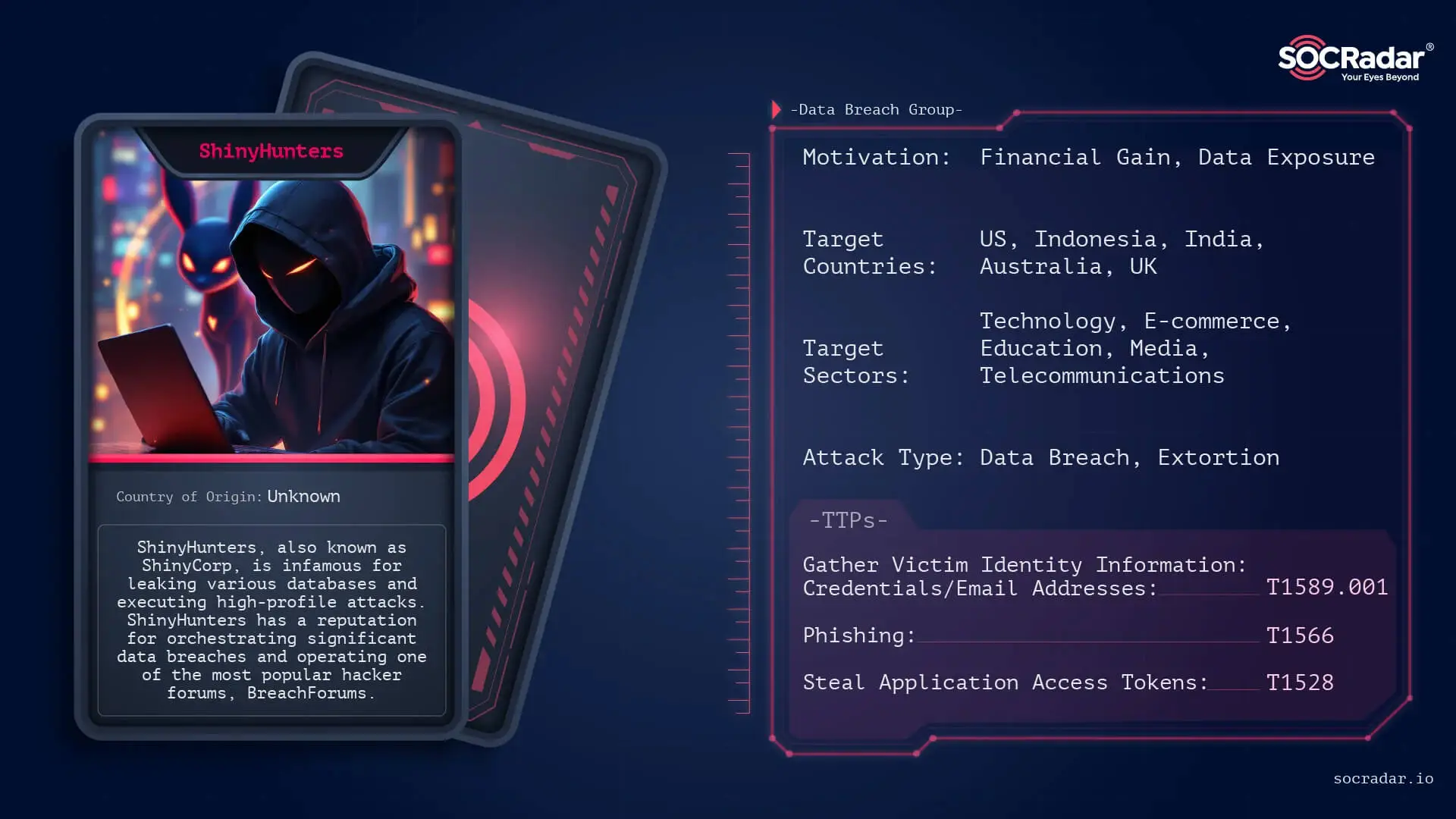
ShinyHunters’ threat actor card
The exposed information may have included names, contact details, dates of birth, Social Security numbers, and health-related information. Medtronic stated that its corporate IT network was separate from the systems supporting its medical products, manufacturing, and distribution operations. The company found no impact on product security, patient safety, or devices’ ability to deliver therapy.
The incident did not compromise medical wearables directly, but it demonstrates how medical-device manufacturers may store sensitive patient information outside the devices themselves.
GetHealth Database Exposed 61 Million Wearable Records
In 2021, a security researcher discovered an internet-accessible database containing more than 61 million records associated with wearable and fitness-tracking services. The database was linked to GetHealth, a platform designed to consolidate health and wellness information from wearable devices and applications.
The exposed records included names, dates of birth, height, weight, gender, and geographical information. References to Fitbit and Apple HealthKit appeared in samples of the data. The exposure did not originate from a direct breach of Apple or Fitbit. Instead, it occurred at a third-party platform that aggregated information from multiple services.
This incident demonstrates the concentration risk created by wearable integrations. Even if an individual device manufacturer protects its own platform, data can become exposed after users authorize another service to collect, combine, and store it.
Garmin Ransomware Attack Disrupted Wearable Services
Garmin experienced a major cyberattack in July 2020 that encrypted internal systems and disrupted Garmin Connect, customer support, website functions, and other services. The outage prevented many smartwatch and fitness-device users from synchronizing activity data or accessing connected features for several days.
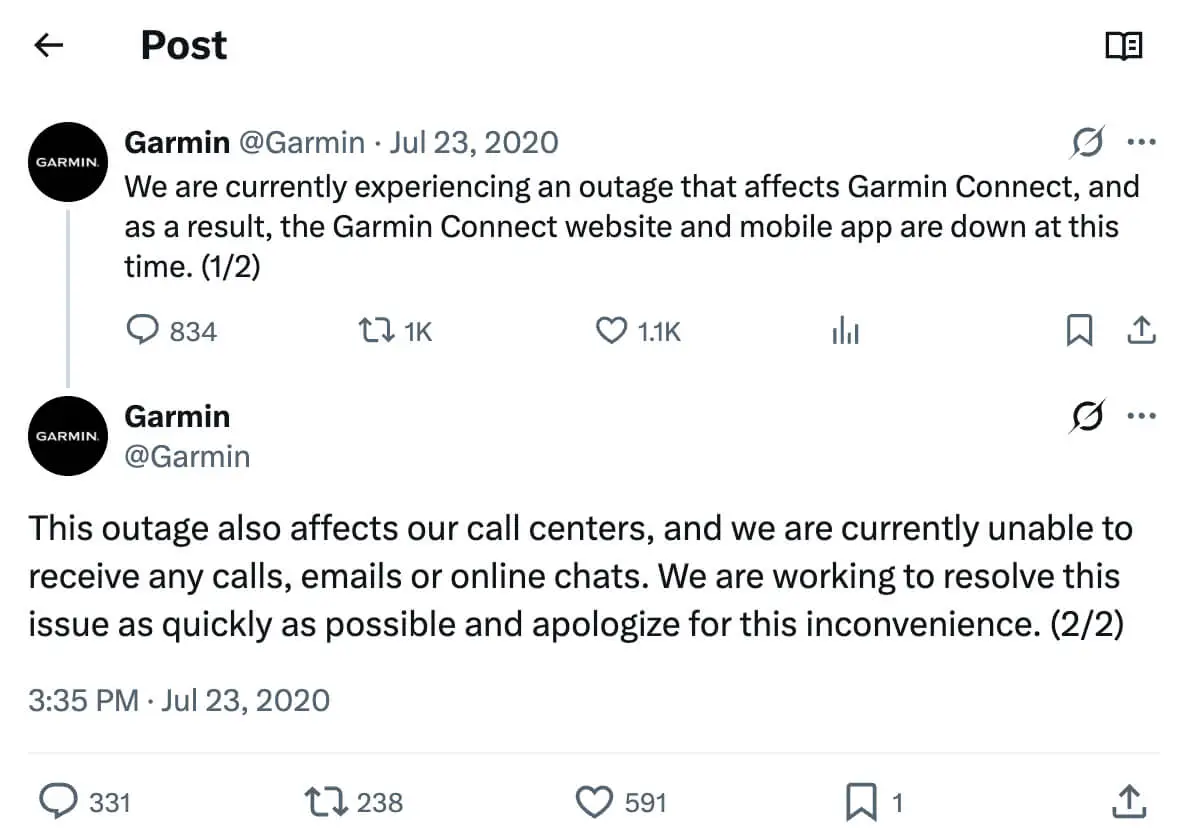
Garmin acknowledged that the July 2020 outage disrupted Garmin Connect, its mobile app, website, call centers, email, and online support services. (Source: X)
Garmin said it found no indication that customer data had been accessed, lost, or stolen. Nevertheless, the incident demonstrated an important availability risk. A wearable may continue recording information locally, but ransomware affecting the vendor’s backend can interrupt synchronization, dashboards, account functions, and other cloud-dependent features.
The case is particularly relevant to medical and safety-focused wearables, where prolonged service unavailability could have consequences beyond inconvenience.
How Can Wearable Technology Risk Be Reduced?
What Does Wearable Risk Mean for Enterprises?
Most organizations do not need to ban every smartwatch. They do need to decide where wearables are acceptable, what data and functions create unacceptable exposure, and how the rules change by environment. A general office, research laboratory, manufacturing floor, operating room, secure briefing space, and defense facility should not share one undifferentiated policy.
Security teams should include wearables in asset discovery and acceptable-use discussions, even when the devices are personally owned. Mobile application management can restrict unapproved companion apps on managed phones. Network access controls and segmentation can keep IoT and clinical devices away from sensitive systems. Physical-security teams may need controls for camera and recording wearables. Privacy teams should review employee wellness programs and avoid collecting more data than the business purpose requires.
Third-party risk reviews should cover the vendor’s mobile and cloud ecosystem, not merely hardware specifications. Important questions include encryption, tenant isolation, API authorization, breach history, subprocessors, data location, retention, deletion, vulnerability disclosure, update cadence, support lifespan, and what happens to customer data if the product or company is discontinued.
How Should Organizations Reduce Wearable Technology Risk?
A useful program combines governance, technical controls, procurement, and user education. The following actions are broadly applicable, but the order should be adjusted to the organization’s threat model.
- Inventory use cases and trust relationships: Identify which devices connect to managed phones, Wi-Fi, clinical platforms, building systems, authentication workflows, payment services, or enterprise accounts.
- Classify the data and potential harm: Record whether the system handles biometrics, precise location, recordings, credentials, clinical readings, safety alerts, or therapy commands. Include integrity and availability impacts.
- Create context-specific policy: Define permitted, restricted, and prohibited wearable categories by area and role. Address cameras, microphones, removable storage, wireless interfaces, and personal devices.
- Evaluate vendors before deployment: Require secure development practices, signed updates, support timelines, vulnerability disclosure, penetration testing, access controls, encryption, data minimization, deletion capabilities, and incident-notification commitments.
- Control companion apps: Allow only approved apps on managed devices, review permissions and SDKs, enforce mobile OS updates, and separate work data using mobile management controls where appropriate.
- Segment connected systems: Place IoT and clinical gateways in appropriate network zones, restrict outbound and lateral communication, and monitor for unexpected destinations or protocol behavior.
- Protect identities and integrations: Use phishing-resistant multifactor authentication for administrative accounts, minimize OAuth scopes, rotate secrets, revoke unused integrations, and monitor anomalous access.
- Plan for vulnerability response and end of support: Maintain ownership, contact paths, update procedures, compensating controls, and retirement criteria before a product becomes unsupported.
What Can Individual Users Do?
Users cannot compensate for every design flaw, but they can reduce unnecessary exposure. Buy from vendors that publish support periods and security information. Update the wearable, phone, and companion app. Use a strong account password and multifactor authentication. Set a watch passcode, enable automatic locking, and keep sensitive notifications hidden until the device is unlocked.
Review permissions and disable features that do not support a real need, especially continuous location, microphone access, contact access, and public activity sharing. Pair devices in a private setting, remove old pairings, and avoid sideloaded apps or unofficial firmware. Review connected services and revoke integrations that are no longer used. If a wearable is sold or given away, follow the vendor’s reset process, remove it from the account, and confirm that payment and access credentials have been deleted.
For medical wearables, users should follow manufacturer and clinician guidance rather than making security-driven changes that could interrupt care. Security concerns, unusual behavior, lost devices, and recall notices should be raised promptly with the healthcare provider or manufacturer.
What Should Manufacturers Build Into Wearable Products?
Security should begin with the product’s intended use and foreseeable misuse. Threat modeling must include local attackers, remote account compromise, malicious apps, supply-chain compromise, cloud insiders, stolen devices, unsafe update failure, and privacy abuse. Safety-critical products also need analysis of how security controls interact with emergency access and clinical availability.
- Give every device a unique identity and avoid universal default credentials, shared private keys, or undocumented service accounts.
- Use secure boot, signed firmware, rollback protection, hardware-backed key storage where appropriate, and a recoverable update design.
- Require authorization for sensitive wireless services and use the strongest pairing method the form factor can support.
- Encrypt sensitive data in transit and at rest, minimize local logs, and design deletion and export functions that users can understand.
- Apply least privilege across firmware, companion apps, APIs, administrative tools, third-party SDKs, and cloud service accounts.
- Test mobile apps, APIs, radio interfaces, hardware ports, firmware, and update mechanisms as one product ecosystem.
- Publish a vulnerability disclosure policy, maintain a product security response capability, and communicate support and end-of-life dates before purchase.
- Collect only data needed for stated functions, separate optional analytics or research consent, and provide meaningful privacy controls by default.
How SOCRadar Helps Monitor Exposed Wearable Data
Wearable-related breaches can expose more than account credentials. Health readings, physical activity, location history, contact details, and other personally identifiable information may appear in leaked databases or be circulated across underground platforms. Unlike a password, much of this information cannot simply be changed after exposure.
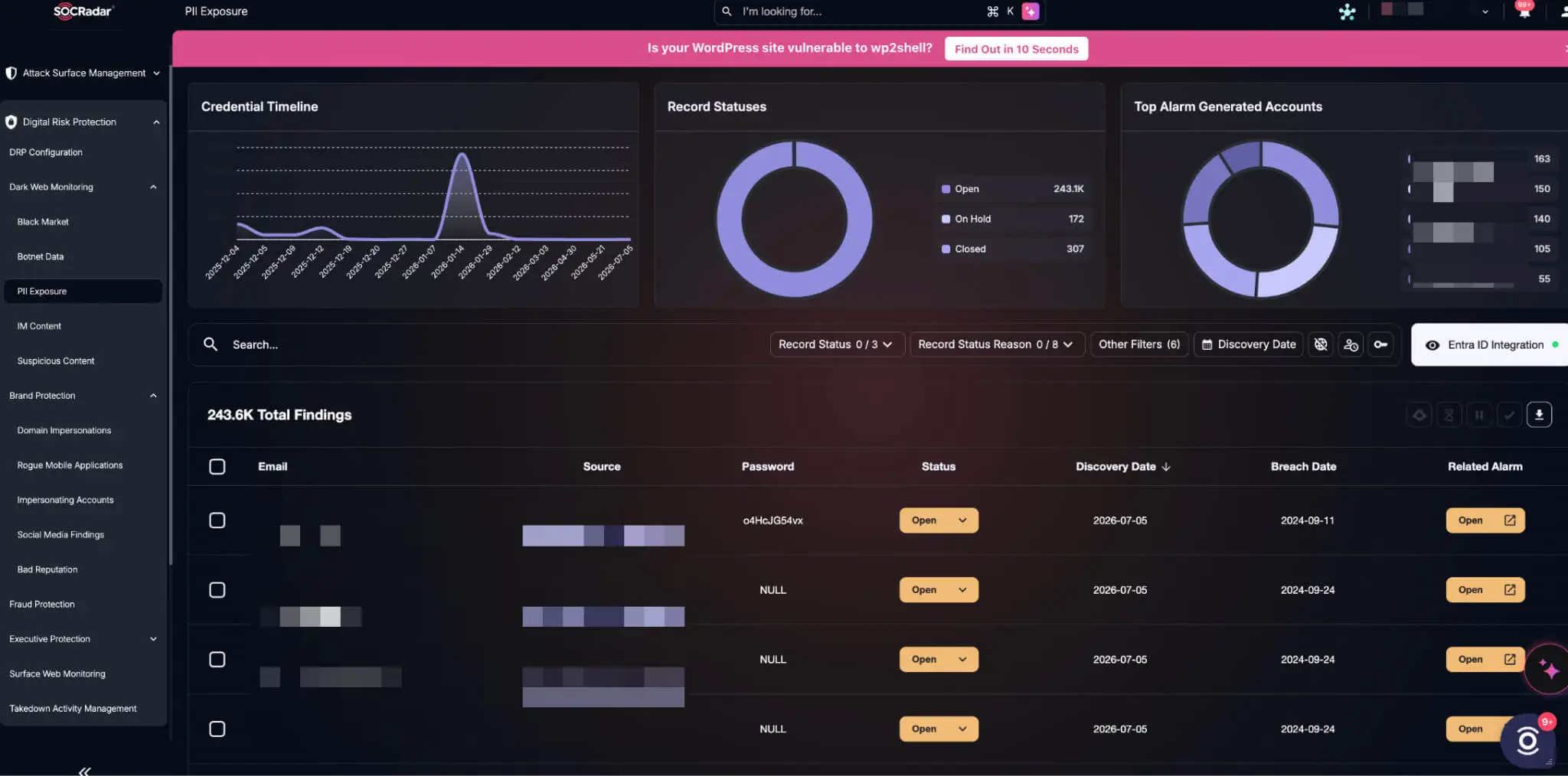
SOCRadar Dark Web Monitoring helps security teams detect exposed PII and credentials that could be used for fraud, phishing, or identity theft.
SOCRadar Dark Web Monitoring helps organizations identify exposed PII, compromised credentials, botnet-derived data, and breach records associated with their employees, customers, or digital ecosystem. This visibility can help security teams investigate potential exposure, notify affected individuals, and respond before leaked information is used for identity theft, phishing, extortion, or targeted social engineering.
Conclusion
Wearables place computing, sensing, and identity directly on the body. Their value comes from being continuous, personal, and connected, which is also what makes their risk different from that of a conventional endpoint. The most important security lesson is to follow the data and trust relationships beyond the device.
A well-secured wearable ecosystem uses authenticated wireless connections, protected data, least-privilege apps and APIs, resilient cloud services, signed and supported firmware, transparent privacy practices, and a tested incident-response path. For enterprises and healthcare organizations, the right goal is not a blanket ban. It is risk-based governance that distinguishes a basic consumer accessory from a device that can record a secure room, approve a corporate login, or influence patient care.
Frequently Asked Questions
Are Wearable Devices Easy to Hack?
Not necessarily. Security varies widely by vendor, product, configuration, and surrounding ecosystem. Some platforms include mature protections, while low-cost or unsupported devices may lack secure updates, strong authentication, or transparent data practices. The companion app and cloud account may be more exposed than the wearable hardware.
Is Bluetooth Low Energy Secure for Wearables?
BLE can support encrypted and authenticated connections, but security depends on pairing mode, implementation quality, service authorization, key protection, privacy settings, and patching. Devices that rely on weak pairing, remain discoverable, expose unauthenticated services, or use stable identifiers can create avoidable risk.
Does HIPAA Protect Data From Fitness Trackers and Smart Rings?
Sometimes, but not automatically. HIPAA applies to particular covered entities and business associates, not to every company that handles health-related data. Consumer wearable data may fall under other federal or state privacy and breach-notification rules depending on who holds it and how it is used.
Can a Smartwatch Create Corporate Security Risks?
Yes. It can display sensitive notifications, approve authentication requests, store payment or access credentials, and connect through a companion app on a phone that also holds corporate data. The practical risk depends on device controls, mobile management, user behavior, and the sensitivity of the environment.
What Is the Most Important Wearable Security Control?
There is no single control, but a supported update process is foundational because vulnerabilities will emerge after release. It should be paired with secure boot, signed firmware, protected identities, least privilege, strong app and API security, data minimization, and clear end-of-support commitments.

Table Of Content
Cyber Risks for Wearable Technologies
Key Takeaways
Understanding the Wearable Ecosystem
Cybersecurity Threats Facing Wearable Technologies
Real-World Wearable Security Incidents
How Can Wearable Technology Risk Be Reduced?
How SOCRadar Helps Monitor Exposed Wearable Data
Conclusion
Frequently Asked Questions
Related Articles

PEEP: A Browser RAT Posing as a Chrome Extension
Sep 04, 2026

Exposing AnonyMousKIT: AI-Powered PhaaS Supply Chain
Aug 24, 2026