What Is Digital Asset Management?
Digital asset management (DAM) is the organized storage, classification, governance, retrieval, distribution, and lifecycle management of digital content such as images, video, audio, documents, templates, and brand materials. A DAM platform gives teams a controlled source for approved assets and their metadata.
DAM is different from cybersecurity asset management, which inventories devices, software, cloud resources, and other technology that must be secured. The two disciplines overlap when organizations protect repositories, sharing links, integrations, credentials, copyrights, and sensitive media.
Key Takeaways
- Brand and marketing asset libraries is a central category or technique.
- Reliable assessment requires source, ownership, timing, and operational context.
- Detection should connect external evidence with identity, device, network, and business signals.
- Response should protect affected people and remove reusable access paths.
How Digital Asset Management Works
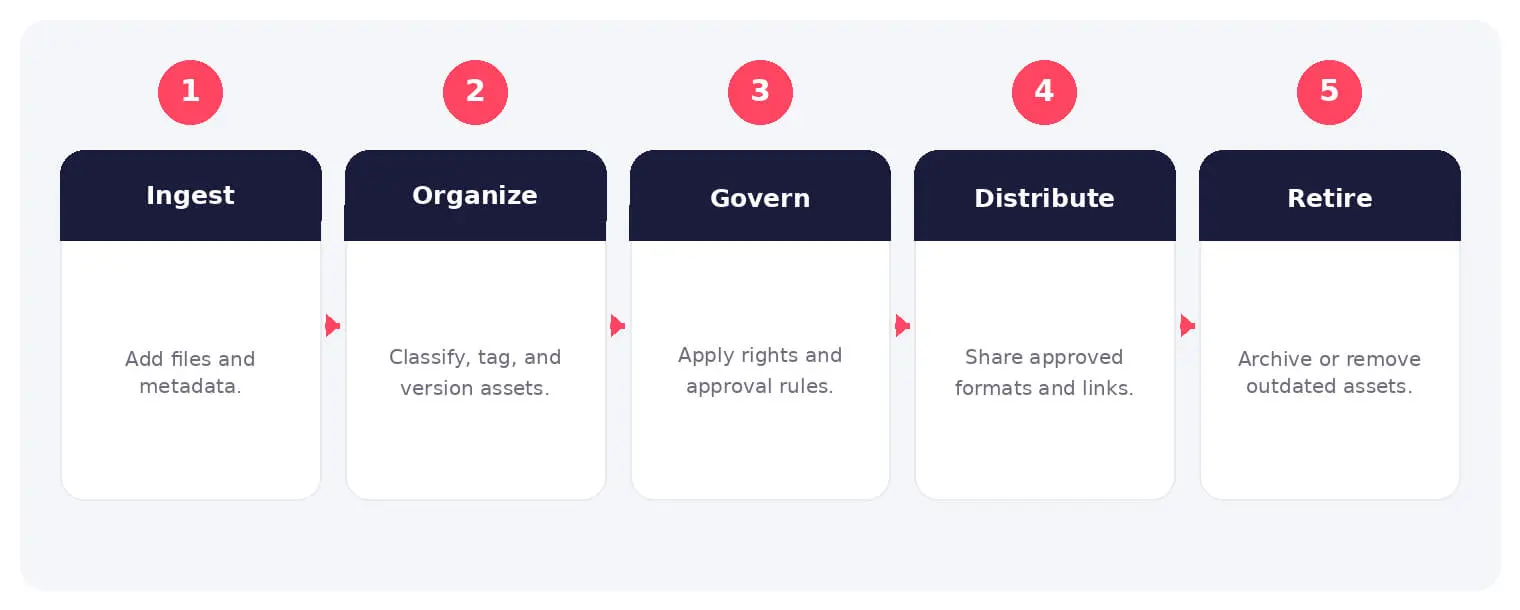
The sequence above provides a practical operating model. Individual steps can overlap, repeat, or involve different people and services, so each stage should be validated against available evidence.
DAM is different from cybersecurity asset management, which inventories devices, software, cloud resources, and other technology that must be secured. The two disciplines overlap when organizations protect repositories, sharing links, integrations, credentials, copyrights, and sensitive media.
Common Types and Techniques
- Brand and marketing asset libraries
- Product, media, and creative repositories
- Document and knowledge collections
- Rights, license, and approval management
Security, Privacy, and Business Risks
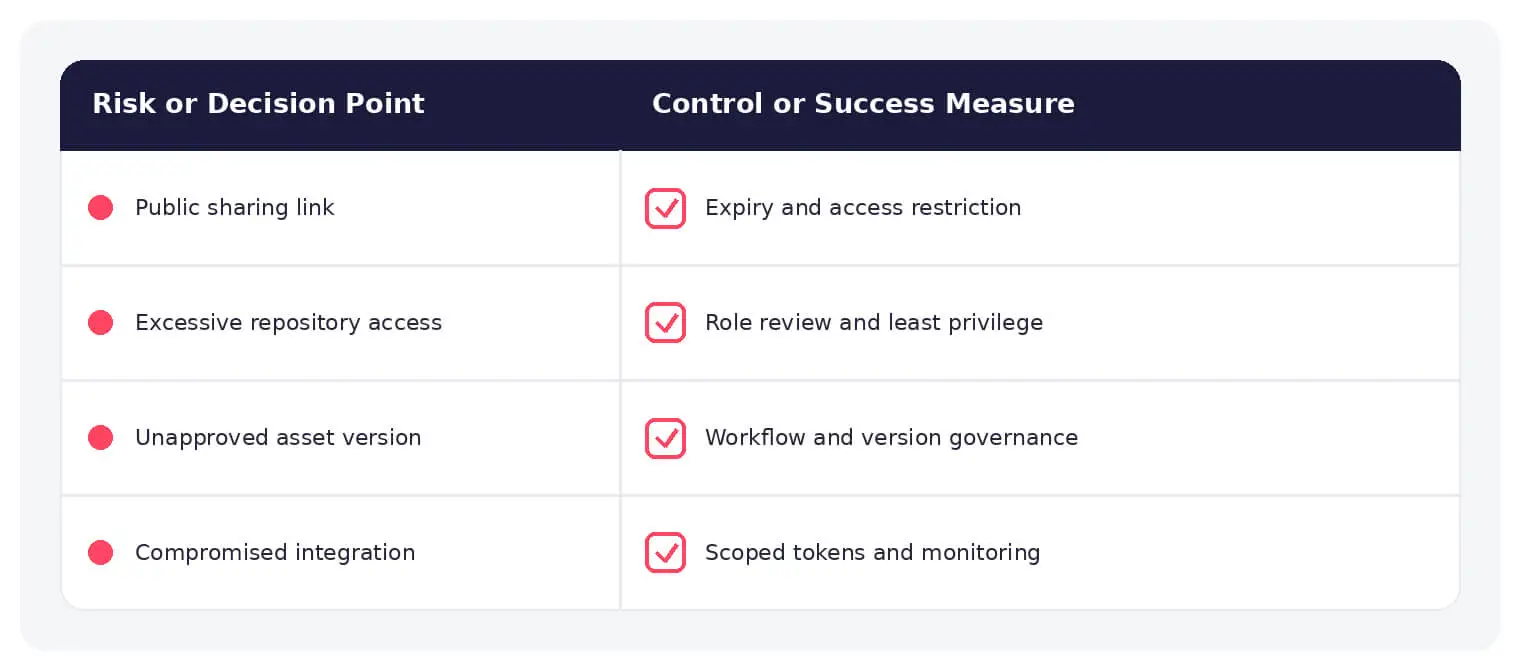
- Unauthorized access or public sharing
- Outdated or unapproved brand content
- Copyright and licensing violations
- Compromised integrations and supply-chain exposure
Warning Signs and Validation
Monitor public sharing, permission changes, bulk downloads, unusual API use, new integrations, failed access, and publication of confidential or unreleased material.
Prevention and Response
Use role-based access, MFA, approval workflows, expiring links, encryption, audit logs, version control, rights metadata, secure integrations, backups, and documented retention.
How SOCRadar Can Help
SOCRadar combines external intelligence, Dark Web visibility, brand monitoring, attack-surface discovery, and contextual enrichment to help teams identify exposure and investigate activity connected to digital asset management.
Explore SOCRadar Brand Protection or request a demo to strengthen external threat detection and response.
Frequently Asked Questions
What Is Digital Asset Management?
Digital asset management (DAM) is the organized storage, classification, governance, retrieval, distribution, and lifecycle management of digital content such as images, video, audio, documents, templates, and brand materials. A DAM platform acts as a controlled source for approved assets and the metadata that describes how each one may be used.
What Are the Main Security Risks in a DAM Platform?
Common risks include unauthorized access or public sharing of confidential assets, outdated or unapproved brand content still in circulation, copyright and licensing violations, and compromised integrations that create supply-chain exposure. Overly broad permissions and unmonitored bulk downloads make each of these easier to trigger.
How Does a DAM Workflow Operate From Ingestion to Distribution?
Assets are ingested, tagged with descriptive and rights metadata, reviewed through approval workflows, versioned, and then distributed through controlled links or connected channels. Stages often overlap or repeat, so ownership, approval status, and usage rights should be reconfirmed whenever an asset is updated or reused.
What Metadata Should Each Asset Carry?
Typical fields include owner, rights and license terms, usage restrictions, campaign or product association, version, approval status, language, format, and retention date. Rights metadata matters most for security and compliance because it drives automatic expiry and helps prevent licensed material from being used outside its terms.
Which Warning Signs Suggest a DAM Is Being Misused or Compromised?
Watch for unexpected public sharing links, sudden permission changes, bulk downloads, unusual API activity, integrations added without review, clusters of failed access attempts, or publication of confidential or unreleased material. Each signal should be checked against audit logs and normal user behavior before escalating.
What Should Teams Do After Suspected Unauthorized Asset Sharing?
Revoke the affected sharing links and API tokens, review audit logs to establish scope, and correct the permissions that allowed the exposure. If copyrighted or unreleased material is involved, involve legal and brand owners, and if account credentials may have been stolen, reset them and revoke active sessions where the platform supports it.
Which Security Controls Should a DAM Include?
A mature DAM should combine access, sharing, and lifecycle controls such as:
- Role-based access with least privilege and MFA
- Approval workflows, version control, and rights metadata
- Expiring links, encryption, and scoped, monitored integrations
- Audit logging, backups, and documented retention rules
These controls work together, so a gap in one area, such as an unscoped integration, can undermine the others.
How Does DAM Reduce Brand and Legal Exposure?
By distributing approved, current assets through controlled channels, DAM limits uncontrolled copies, inconsistent branding, and accidental publication of unreleased material. Approval records and rights metadata also make it easier to demonstrate licensing compliance if a dispute arises.
How Is DAM Different From Cybersecurity Asset Management?
DAM governs digital content such as media, documents, and brand files, while cybersecurity asset management inventories devices, applications, cloud resources, and exposed services that require protection. The disciplines overlap where teams must secure the DAM itself, including repositories, sharing links, integrations, credentials, and copyrighted media.
Do Expiring Links Make a DAM Secure on Their Own?
No. Expiring links limit how long shared content remains reachable, but they do not replace access controls, MFA, audit logging, or integration scoping. Links can be copied and reshared before they expire, so monitoring for bulk downloads and public leakage remains necessary.
Oct 16, 2026
CVE-2026-102764: BeyondTrust Zero-Day Exploited
BeyondTrust has disclosed CVE-2026-102764, a critical Remote Support vulnerability exploited as a zero-day weeks before customers received a patch. The attack began…
Oct 15, 2026
Cisco Secure Email & PAN-OS Zero-Days Exploited
Cisco Secure Email & PAN-OS Zero-Days Exploited Cisco and Palo Alto Networks have patched two actively exploited zero-day vulnerabilities that can lead…
Oct 15, 2026
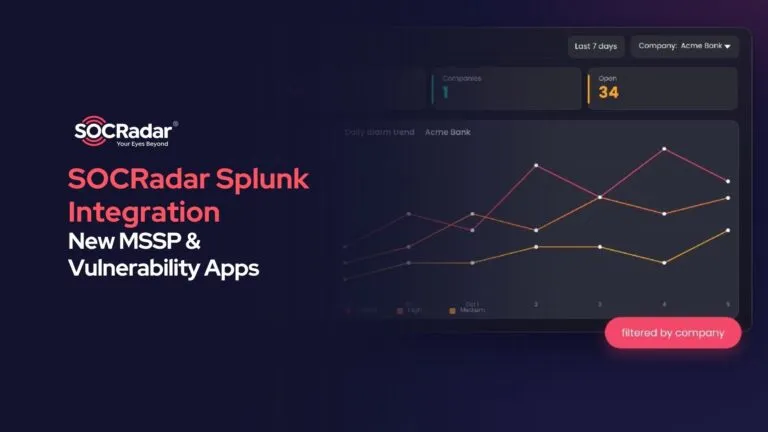
SOCRadar Splunk Integration: New MSSP and Vulnerability Apps
SOCRadar Splunk Integration: New MSSP and Vulnerability Apps Your analysts live in Splunk. Your external risk does not: SOCRadar alarms for dozens…
Intelligence in your inbox every Thursday.
Join 30,000+ security professionals reading SOCRadar research.
Subscribe