

Oct 07, 2026
Apr 13, 2026
6 Mins Read
Jul 08, 2026

Summarize with:
Could XChat Become a Telegram Rival and a Future Hub for Threat Actors?
X’s upcoming messaging app, XChat, is being presented as more than a simple upgrade to direct messages. Public details point to a standalone messaging product with end-to-end encryption, disappearing messages, voice and video calls, file sharing, screenshot blocking, message recall, and use without a phone number. The iOS App Store listing has been reported as showing an April 17, 2026, launch date, while Android timing still appears unannounced.
That feature mix is why the conversation around XChat is already broader than product design. It puts XChat in the same category as apps users often compare with Telegram, Signal, and WhatsApp, while also raising a harder question for defenders: if the app gains traction, could it also become attractive to threat actors looking for another place to communicate, share files, and coordinate activity?
What Is XChat?
XChat appears to be a new messaging layer built around X’s broader effort to become a more all-in-one platform. Rather than sitting inside the older direct-message experience as a small update, it seems to be taking shape as a more complete communications product with its own app presence, feature set, and rollout path.
It also fits a larger direction that has been discussed around X for some time. Messaging is not being treated as a side feature here. It looks more like infrastructure, something that could eventually support a wider product ecosystem in the same way messaging does inside so-called super apps like Meta.
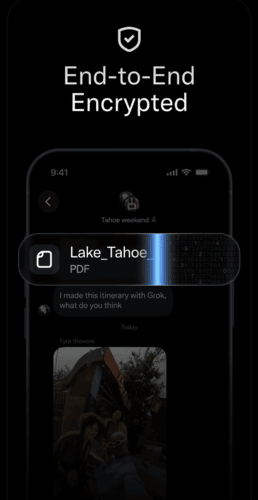
Preview image shared on X highlighting XChat’s end-to-end encrypted messaging (X)
Why Is XChat Being Compared to Telegram?
The comparison comes from the feature set more than the branding. XChat is being described with several features that users already associate with Telegram-style messaging:
- encrypted chats
- disappearing messages
- file sharing
- voice and video calls
- no phone number requirement
- large group support, according to some app-listing coverage
That does not make XChat identical to Telegram, but it does make the comparison understandable. A messaging platform built around privacy claims, flexible communication, and fewer identity constraints is likely to be measured against Telegram very quickly.
Why Could Those Same Features Raise Security Concerns?
Privacy features are not the problem by themselves. The issue is that they can also make abuse harder to track. Encrypted messaging, disappearing content, and lower account friction can all reduce visibility for defenders, moderators, and investigators, depending on how the platform is designed and enforced.
That creates a familiar tension. The same things that make a product more attractive to privacy-conscious users can also make it more attractive to actors who want resilient communication channels, smaller moderation footprints, or easier ways to move content and files between accounts.
There is also a trust issue. Musk previously described XChat as using (Bitcoin-style) encryption and said it was built in Rust, but public descriptions still do not answer the most important security questions, such as protocol design, metadata handling, key verification, default settings, and whether the system has had meaningful outside review.
Why Are Threat Actors Even Part of the Conversation?
There is no public evidence at this stage that XChat is already being used by threat actors in any meaningful way. The platform is still too early for that kind of conclusion. But the question comes up for a reason: threat actors have a long history of testing platforms that offer privacy, audience reach, easy account setup, and built-in file sharing.
That is especially true when a service launches into an existing large ecosystem. A new platform does not need to build its user base from zero if it is tied to an already popular product. If XChat gains adoption quickly, it may also gain attention from communities looking for alternative communication channels.
So the real question is not whether misuse is happening now. It is whether the conditions exist for misuse to become attractive later.
What Would Make XChat Attractive for Misuse?
If XChat begins to draw malicious interest, the appeal will probably be practical. The most obvious reasons are straightforward:
- harder-to-monitor private communication
- built-in file and media exchange
- lower identity friction
- access to a large existing user ecosystem
That combination matters because misuse does not require a platform to be built for criminals. It only requires the platform to be useful. If an app makes communication easier, sharing easier, and coordination easier, some malicious users will eventually test those benefits too.
Does That Mean XChat Will Become a Hub for Threat Actors?
Not necessarily. A feature set alone does not decide how a platform will be used. Moderation quality, abuse response, user growth patterns, technical defaults, and platform governance all matter.
Still, this is exactly the kind of stage when defenders should start paying attention. Platforms do not become relevant to security teams only after abuse is obvious. By that point, the environment may already be harder to monitor. Watching early platform changes, adoption signals, and misuse patterns is often more useful than waiting for a later confirmation.
What Should Security Teams Watch Next?
The most important thing to watch is not the marketing around the app, but how the platform behaves once it starts reaching users. A few questions matter more than the launch messaging:
- how widely and how quickly the app rolls out
- whether Android availability follows quickly
- how clearly encryption and privacy claims are explained
- whether abuse controls become visible early
- whether suspicious communities begin testing the platform for coordination, file sharing, or phishing
For now, the most grounded conclusion is a limited one: XChat has the feature profile of a serious messaging product, and that alone makes it worth watching from both a market and security perspective. Whether it becomes a true Telegram rival remains to be seen. Whether it eventually attracts meaningful threat actor interest is also still open. But the conditions that make people ask those questions are already visible.
How SOCRadar Surface Web Monitoring Supports Early Detection
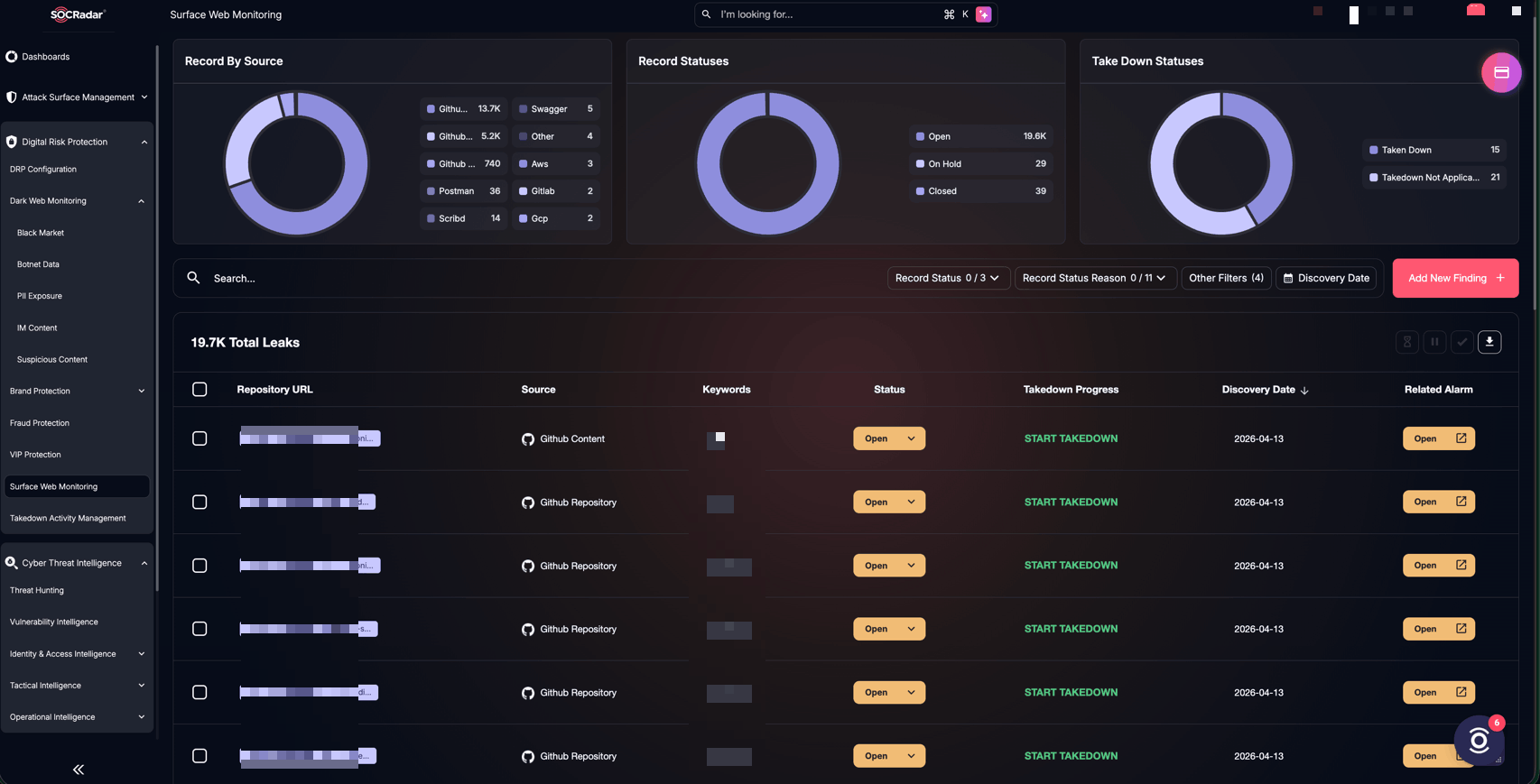
SOCRadar Surface Web Monitoring helps track exposed content and takedown activity across surface web sources.
For security teams tracking how new platforms may be used over time, SOCRadar Surface Web Monitoring can provide added visibility into publicly exposed content, suspicious activity, and emerging signals across surface web sources. That can help defenders spot misuse trends earlier and support faster investigation when new communication platforms begin attracting unwanted attention.

Table Of Content
Could XChat Become a Telegram Rival and a Future Hub for Threat Actors?
What Is XChat?
Why Is XChat Being Compared to Telegram?
Why Could Those Same Features Raise Security Concerns?
Why Are Threat Actors Even Part of the Conversation?
What Would Make XChat Attractive for Misuse?
Does That Mean XChat Will Become a Hub for Threat Actors?
What Should Security Teams Watch Next?
Related Articles

CVE-2026-21589: Critical Atlassian File Access
CVE-2026-88779: Citrix NetScaler Zero-Day
Oct 06, 2026

CVE-2026-90970: GitLab AI Gateway RCE
Oct 05, 2026

FortiMail Zero-Day Under Active Exploitation
Oct 02, 2026

TeamViewer Fixes Five Remote Access Flaws
Oct 01, 2026