The Strategic Case for MSSP Partnership
Security tools are widely deployed, well documented, and tested in predictable ways, and threat actors know this. There is ongoing discussion among threat actors about security vendors, product behavior, and bypass methods. A large share of these discussions directly references cybersecurity and CTI companies, and a notable portion focuses only on evasion techniques.
This creates a hard truth. Your tools are not only defensive controls. They are also active targets for attackers.
Organizations invest heavily in EDR, SIEM, AV, and CTI platforms. Yet many assume these products can defend themselves. This is the gap. Attackers test how these tools detect activity, how alerts are generated, and where blind spots exist. They share working bypass methods before real attacks begin. By the time a technique becomes public, it is often already used in the field.
A mature security stack without continuous human oversight can create a false sense of protection.
Your Security Stack Is an Attack Surface
Since security products are commercial software, they have documentation, common configurations, and known behaviors. This makes them predictable for both defenders and attackers. Dark Web forums are full of discussions that show three dominant themes when security vendors are mentioned:
- Bypass and evasion methods
- Vulnerability research, including zero days
- Leaked operational and security data
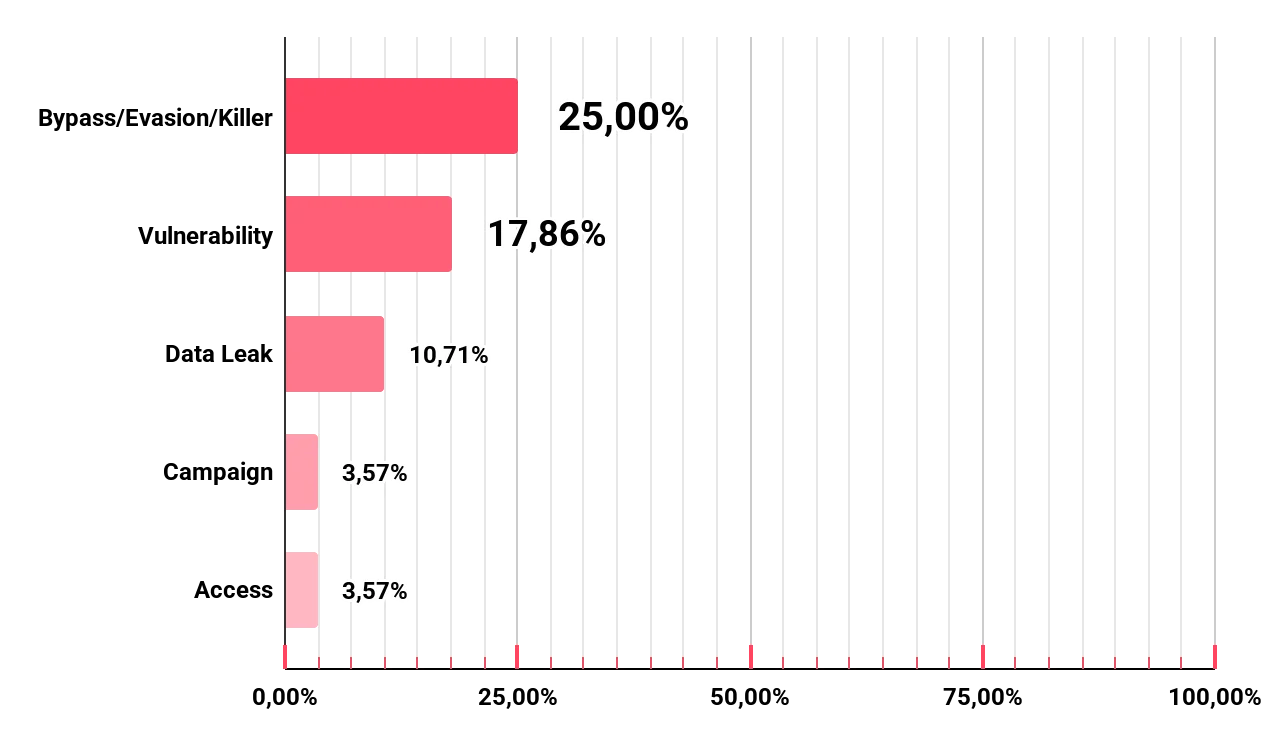
Among posts referencing CTI and cybersecurity firms, the dominant theme is bypass and evasion.
A significant portion of posts promote or explain how to disable or evade common protections. 0-day and vulnerability analysis, and leaked data from security firms are among the discussions. The organizations that defend others are themselves studied as targets.
This means that effectiveness depends on continuous monitoring against attacker behavior. Most organizations cannot sustain this level of effort internally.
The Operational Gap
The issue is not product quality; many organizations use premium tools. The issue is the operating model.
Static deployment does not keep pace with adaptive attackers. Vendor updates and signature changes often follow real-world abuses. Detection logic lags behind attacker testing cycles discussed in private channels and forums.
Organizations depend on updates that arrive after evasion techniques are already proven when they don’t actively monitor these sources.
This is where an MSSP changes the equation.
From Product Ownership to Operational Defense
An MSSP turns static software into dynamic defense. This directly addresses the core problems discussed earlier: security tools that are predictable to attackers, bypass methods shared in Dark Web forums, delayed vendor updates, and the false sense of safety created by unattended products. The main value of MSSPs is in combining:
- Continuous human analysis
- External threat intelligence
- Cross-environment visibility
- Rapid adaptation of detection and response logic
This shifts security from tool-focused deployment to operation-focused defense.
24/7 Expert Analysis
Security controls generate alerts based on predefined logic. Attackers do not follow predefined logic.
MSSP analysts review weak signals, correlate unrelated events, and identify early intrusion stages that automation may miss. They connect internal alerts with external intelligence and underground activity. This enables the detection of behavior that does not yet match known signatures.
Intelligence Driven Operational Defense
Evasion techniques often appear in underground discussions before real incidents. Attackers also reuse infrastructure, tools, and access paths across victims. At the same time, many alerts lack the context needed to show whether they are part of a larger intrusion.
An MSSP connects these gaps. It tracks how attackers bypass specific products, observes patterns across multiple environments, and enriches alerts with intelligence about actor behavior and active campaigns.
Detection rules, monitoring priorities, and response playbooks are adjusted based on emerging methods and shared observations. This allows preventive action before techniques reach your environment and turns isolated alerts into clear attack chains that can be stopped early.
Why MSSP Partnership Is Essential
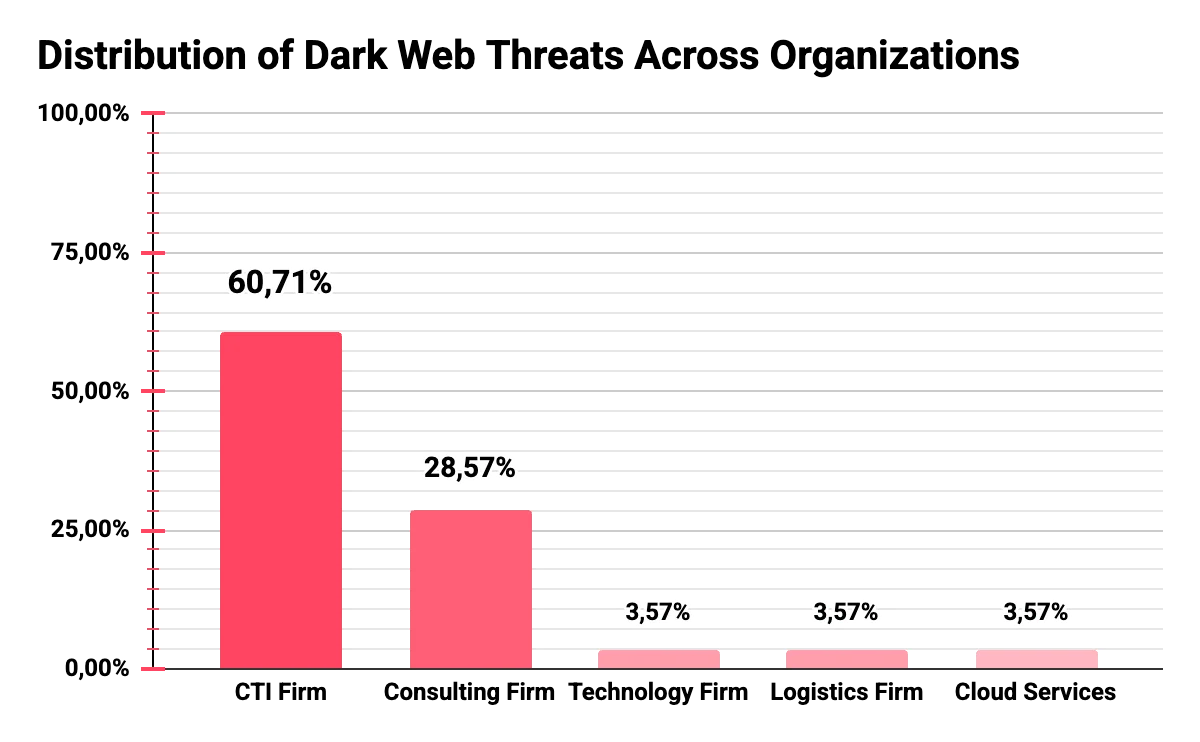
Approximately 60% of all collected posts and discussions in underground forums directly reference CTI and cybersecurity companies
Threat actors treat AV, EDR, SIEM, and CTI platforms as attack surfaces. They study how these tools work and how to operate around them, and underground communities actively trade this knowledge.
In this environment, security effectiveness depends on how tools are monitored, interpreted, and adapted over time, and an MSSP provides the continuous expertise, intelligence, and operational capability required to keep defenses aligned with attacker behavior. This closes the gap between what your tools can do and how attackers try to defeat them.
Security tools are necessary. Operational defense is decisive.
Download the full report to see the full analysis.