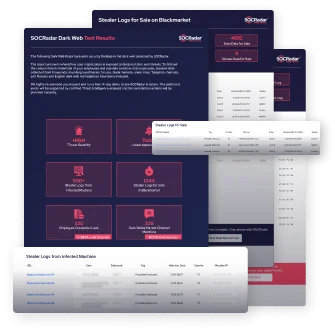


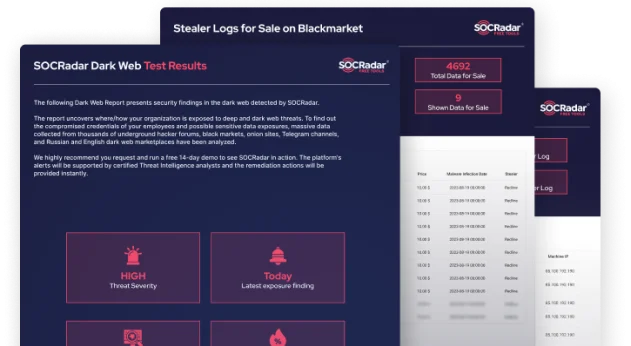
| Feature | Description |
| Real-time alerts | Immediate notifications of leaked credentials. |
| Executive protection | Tracks personal exposure of high-level employees. |
| Brand monitoring | Detects brand misuse or impersonation. |
Sep 12, 2025
6 Mins Read

Summarize with:
What Is Dark Web Threat Intelligence?
Dark Web Threat Intelligence can best be understood through a structured deep web guide that explains the hidden layers of the internet and their security implications. The deep web itself contains legitimate but non-indexed content such as academic databases, government portals, and subscription services, while the dark web represents a smaller, anonymized corner where threat actors operate.
In these underground communities, cybercriminals trade stolen credentials, sell exploits, and run ransomware leak sites — making dark web intelligence a vital capability for security teams in 2025. By combining accurate, up-to-date, and technically rich insights, SOCRadar helps organizations distinguish between the deep web and the dark web, monitor criminal activity in real time, and integrate actionable intelligence into their defense strategies.
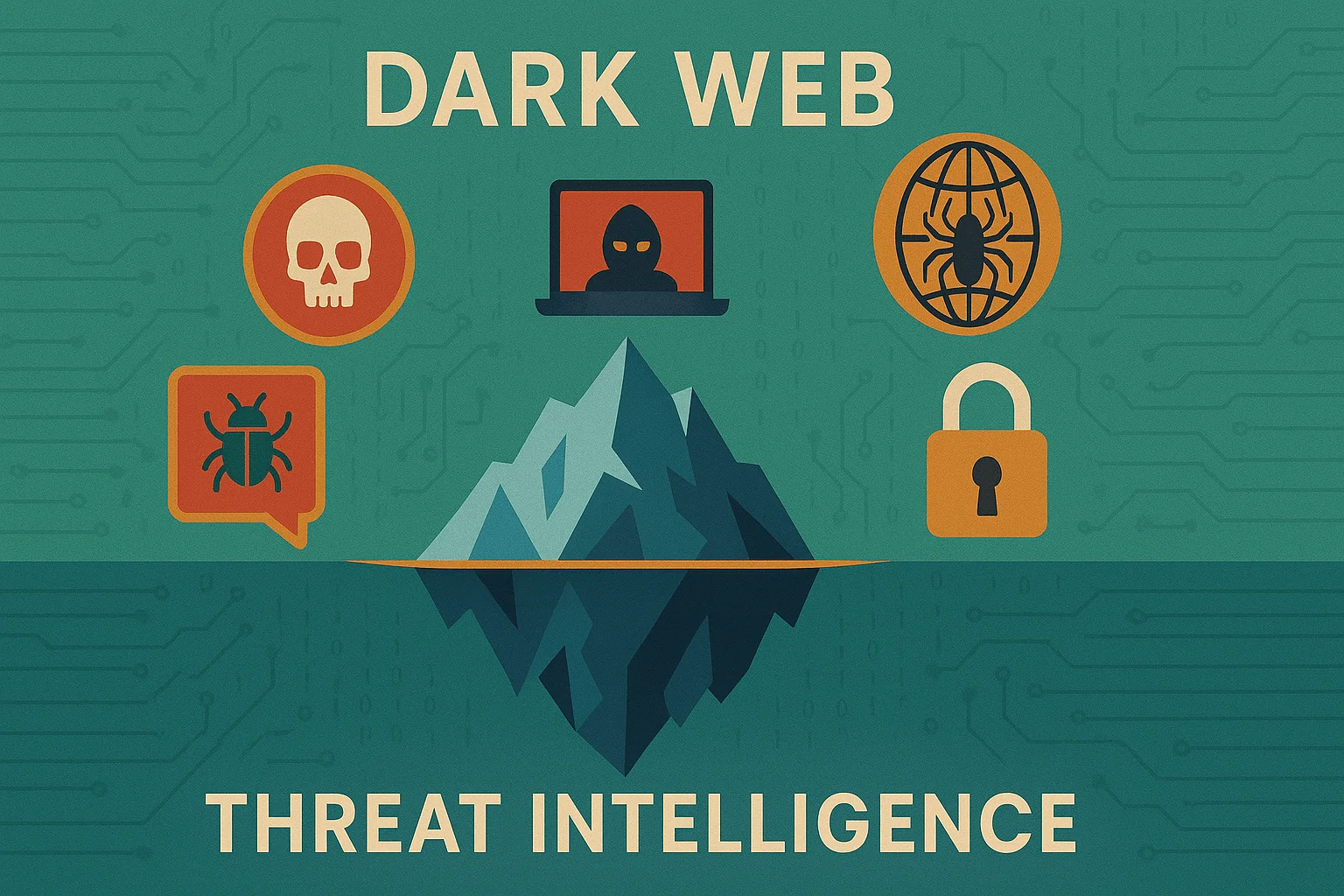
Shedding Light on the Invisible Dangers of the Dark Web Threat Intelligence
What Is Dark Web Threat Intelligence?
Dark Web Threat Intelligence is the process of identifying, collecting, and analyzing threat data from hidden corners of the internet to protect organizations from cybercrime. Unlike the surface web, where content is indexed by Google, the dark web exists in intentionally hidden networks that facilitate anonymity for cybercriminals.

SOCRadar’s Dark Web Monitoring solution provides real-time visibility into underground forums, ransomware leak sites, and dark marketplaces. By integrating these insights into your security infrastructure, you gain a proactive defense layer against breaches, ransomware, and insider threats.
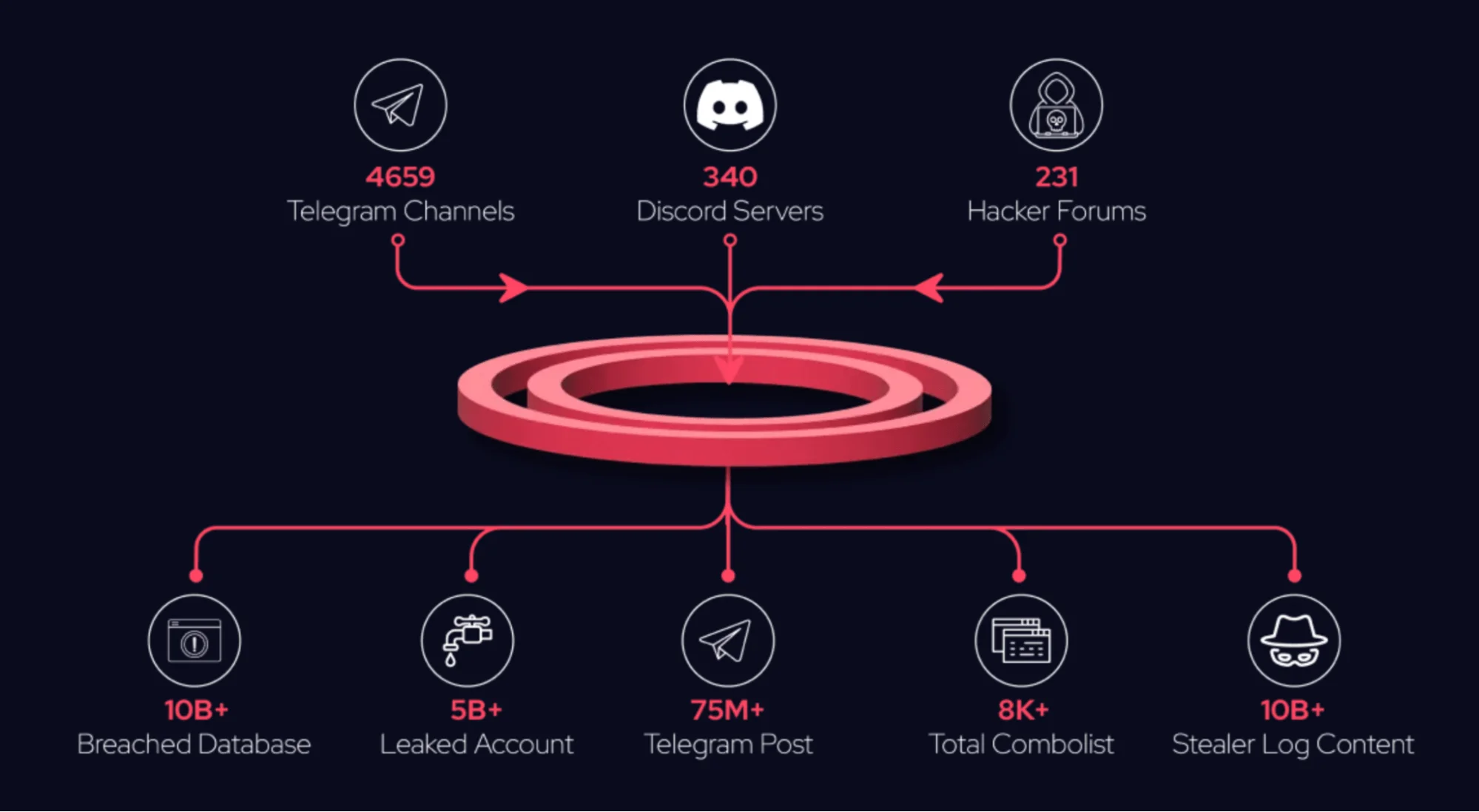
We track adversaries across every vector, wherever they surface
How Threat Actors Operate on the Dark Web
Threat actors leverage hidden communities to buy, sell, and trade stolen data and attack tools. Common tactics include:
- Selling initial access to corporate networks via RDP, VPN, or shell exploits.
- Running ransomware leak blogs where stolen data is published if victims refuse to pay.
- Operating marketplaces for stolen credentials, financial fraud data, or zero-day exploits.
This underground economy thrives because it offers anonymity and trust systems like escrow services. Understanding how these actors function is the foundation of effective threat intelligence.
Key Types of Threat Data Found on the Dark Web
Dark web monitoring uncovers critical intelligence that helps organizations stay ahead of attacks:
- Credential dumps – bulk email/password databases.
- Access listings – RDP, VPN, or admin panel credentials.
- Malware/exploit kits – off-the-shelf attack tools.
- Financial fraud data – stolen credit card and banking details.
- Corporate data leaks – sensitive documents and source code.
- Hacktivist campaigns – politically motivated data leaks or DDoS coordination.
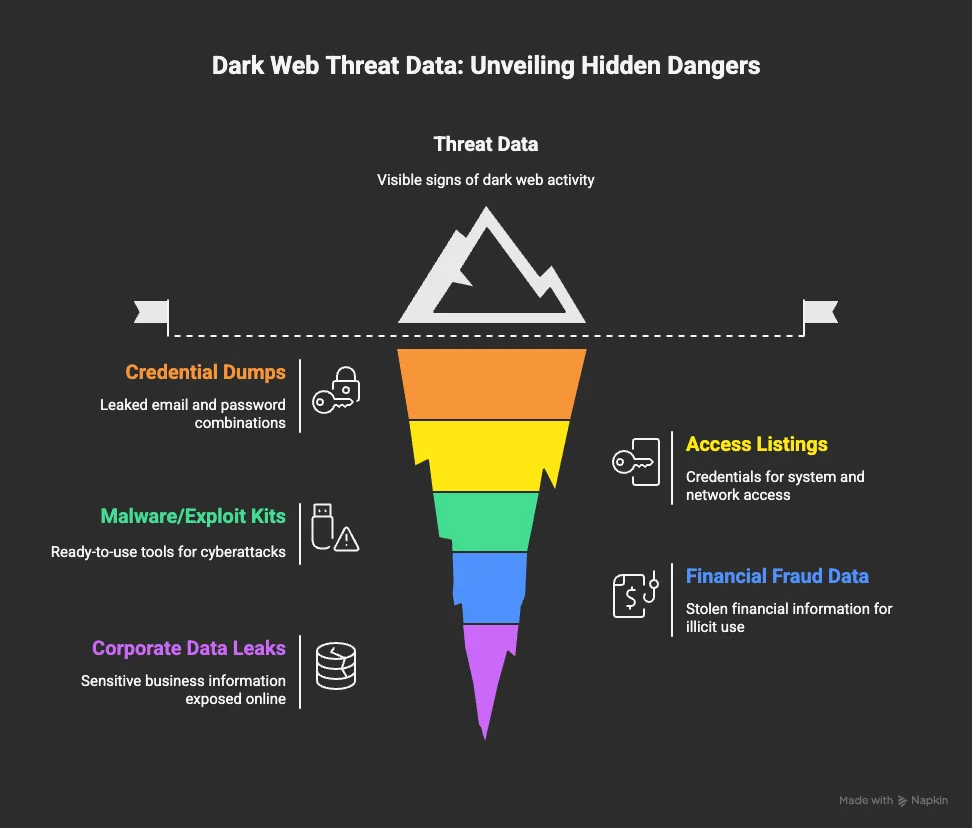
Dark Web Threat Data: Unveiling Hidden Dangers (Created By Napkin)
Monitoring Ransomware Groups and Leak Sites
Ransomware groups publish stolen corporate data on “leak sites” to pressure victims into paying. Monitoring these sources is crucial for:
- Detecting breaches in early stages.
- Identifying if your data or partners’ data is exposed.
- Taking immediate remediation steps like takedowns or credential resets.
With SOCRadar, organizations receive real-time alerts whenever their brand, employees, or assets appear on these platforms.
Dark Web Marketplaces and Their Role in Cybercrime
Marketplaces form the backbone of the cybercrime economy. They sell everything from counterfeit IDs to zero-day vulnerabilities. For enterprises, these platforms represent:
- Supply-chain risks– attackers can buy access to your vendors and pivot into your systems.
- Brand misuse – fraudulent domains, phishing kits, or fake social media accounts.
- Customer data exposure – personal information resold multiple times, amplifying risk.
Dark web intelligence provides visibility into these environments, allowing proactive takedowns and strengthening digital trust.
How Organizations Collect and Analyze Dark Web Intelligence
Dark web intelligence is gathered through a combination of automation and human expertise:
- Crawlers & sensors scrape forums, marketplaces, and encrypted chat groups.
- Machine learning models cluster related actors and predict campaigns.
- Analyst validation ensures context, accuracy, and prioritization.
- Integration into SIEM/XDR automates incident response.
This cycle ensures intelligence is both comprehensive and actionable.
Real-Time Alerting from Dark Web Sources
SOCRadar’s platform delivers real-time alerts when your brand, domains, or employee credentials appear in hidden channels. Example alerts include:
This proactive detection helps security teams act before attackers exploit the data.
Integrating Dark Web Feeds into Your Security Infrastructure
Collected intelligence must flow into existing security workflows:
- SIEM correlation – enrich logs with threat actor data.
- SOAR automation – trigger playbooks for rapid response.
- XDR platforms – detect and isolate compromised endpoints.
- Executive dashboards – provide CISOs visibility into ongoing risks.
By integrating feeds, organizations transform raw data into actionable defense.
Legal and Ethical Considerations in Dark Web Monitoring
Monitoring the dark web is legal; engaging in illegal activity is not. Security providers like SOCRadar maintain ethical collection practices, ensuring compliance with cybercrime laws while delivering valuable intelligence.
Key principles:
- Collect, don’t transact.
- Monitor, don’t engage.
- Report, don’t distribute.
The Role of Dark Web Intelligence in Preventing Targeted Attacks
Dark web intelligence helps prevent attacks by:
- Detecting stolen employee credentials before phishing campaigns.
- Identifying vulnerabilities being traded before exploitation.
- Mapping ransomware activity to anticipate industry-specific targeting.
- Tracking insider threats via underground communications.
For modern enterprises, this isn’t optional—it’s a core security layer.
H2: FAQ – Deep Web vs Dark Web Explained
Q: What is the deep web and how is it different from the dark web?
The deep web refers to private but legitimate resources like academic databases or government portals. The dark web is a subset designed for anonymity and often linked to criminal activity.
Q: Is it legal to access the deep web?
Yes. Accessing subscription content, research databases, or private portals is legal. The dark web, however, contains both legal and illegal communities.
Q: Can I accidentally end up on the dark web while browsing the deep web?
Unlikely. The dark web requires special tools like Tor. Still, users should practice safe browsing.
Q: What are safe uses of the deep web?
Students, researchers, and professionals use it for academic journals, subscription services, and government data.
Q: Is the deep web dangerous for regular users?
Not inherently. Risks emerge when users download unsafe files or click malicious links. Practicing security hygiene reduces exposure.
Conclusion
The internet has many layers, and the dark web represents the riskiest one. Organizations that ignore dark web chatter miss critical early-warning signs of cyberattacks.
With SOCRadar Threat Intelligence, enterprises gain unmatched visibility into dark web forums, ransomware groups, and marketplaces. This enables real-time alerting, proactive defense, and stronger resilience against cybercrime.
In 2025, Dark Web Threat Intelligence isn’t just a trend—it’s a necessity for every security team.

Table Of Content
What Is Dark Web Threat Intelligence?
What Is Dark Web Threat Intelligence?
How Threat Actors Operate on the Dark Web
Key Types of Threat Data Found on the Dark Web
Monitoring Ransomware Groups and Leak Sites
Dark Web Marketplaces and Their Role in Cybercrime
How Organizations Collect and Analyze Dark Web Intelligence
Real-Time Alerting from Dark Web Sources
Integrating Dark Web Feeds into Your Security Infrastructure
Legal and Ethical Considerations in Dark Web Monitoring
The Role of Dark Web Intelligence in Preventing Targeted Attacks
H2: FAQ – Deep Web vs Dark Web Explained
Conclusion
Related Articles
PEEP: A Browser RAT Posing as a Chrome Extension
Sep 04, 2026
Exposing AnonyMousKIT: AI-Powered PhaaS Supply Chain
Aug 24, 2026