MCP Servers in Threat Intelligence: 10 Use Cases for CISOs
The security operations center is no stranger to data overload. CISOs and their teams must parse endless alerts, indicators, and logs, all while maintaining visibility across an expanding attack surface. The problem is not lack of data; it is the difficulty of extracting timely, actionable intelligence from it.
Model Context Protocol (MCP) servers, designed as a standardized way for AI systems to interact with external tools and data sources, are starting to transform how security teams conduct threat intelligence. Instead of jumping between dashboards, building custom queries, or writing one-off scripts, analysts can now issue structured, natural language requests to retrieve, correlate, and act upon threat data.
In this blog, we’ll walk through 10 real-world use cases showing how CISOs can harness MCP servers for threat intelligence. Before we dive into these scenarios, let’s briefly look at some cybersecurity platforms already applying MCP servers today, including our own SOCRadar MCP Server.

MCP Servers in Cybersecurity Platforms
Several forward-looking security vendors have already adopted MCP servers, embedding them into their platforms to simplify investigations and improve cybersecurity workflows.
Check Point MCP Server
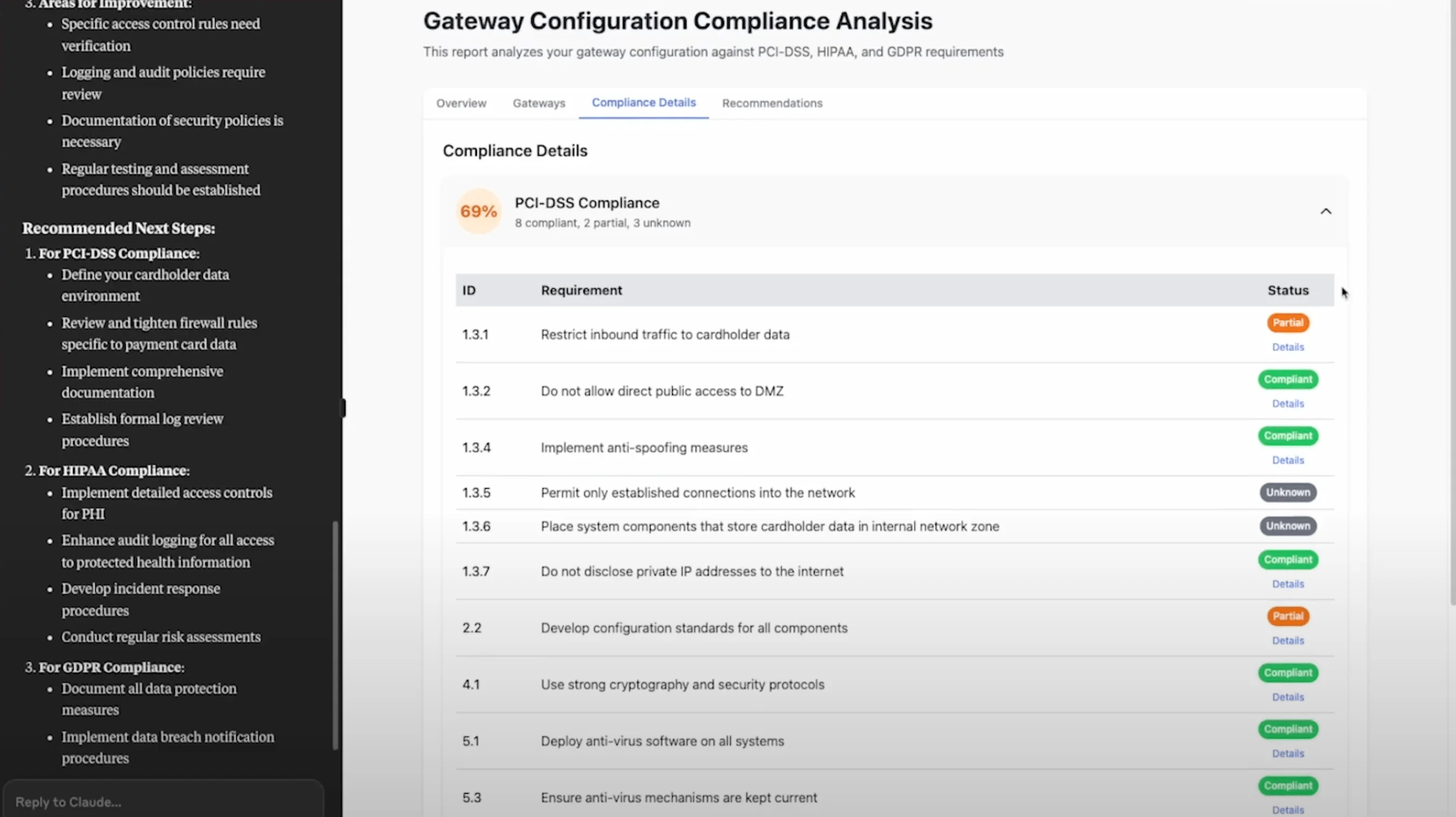
Check Point has wrapped its extensive REST APIs in MCP, enabling natural language queries into firewall logs, security policies, and network objects. As per company’s example, users can ask questions such as: “Does our gateway configuration meet PCI DSS, HIPAA, and GDPR requirements, and can you generate a compliance report?” The MCP server can respond by validating the configuration and producing an interactive compliance report that can be exported or shared with governance staff. This reduces manual effort and makes policy validation faster.
Cyware MCP Server
Cyware has introduced MCP capabilities to its threat intelligence exchange. Users can ask for filtered indicators (e.g., “Show active malware-tagged file hashes not sourced from RSS feeds”), or even update metadata without touching complex forms. MCP streamlines day-to-day threat intelligence management and ensures that intelligence sharing and collaboration are less siloed.
Vectra AI MCP Server
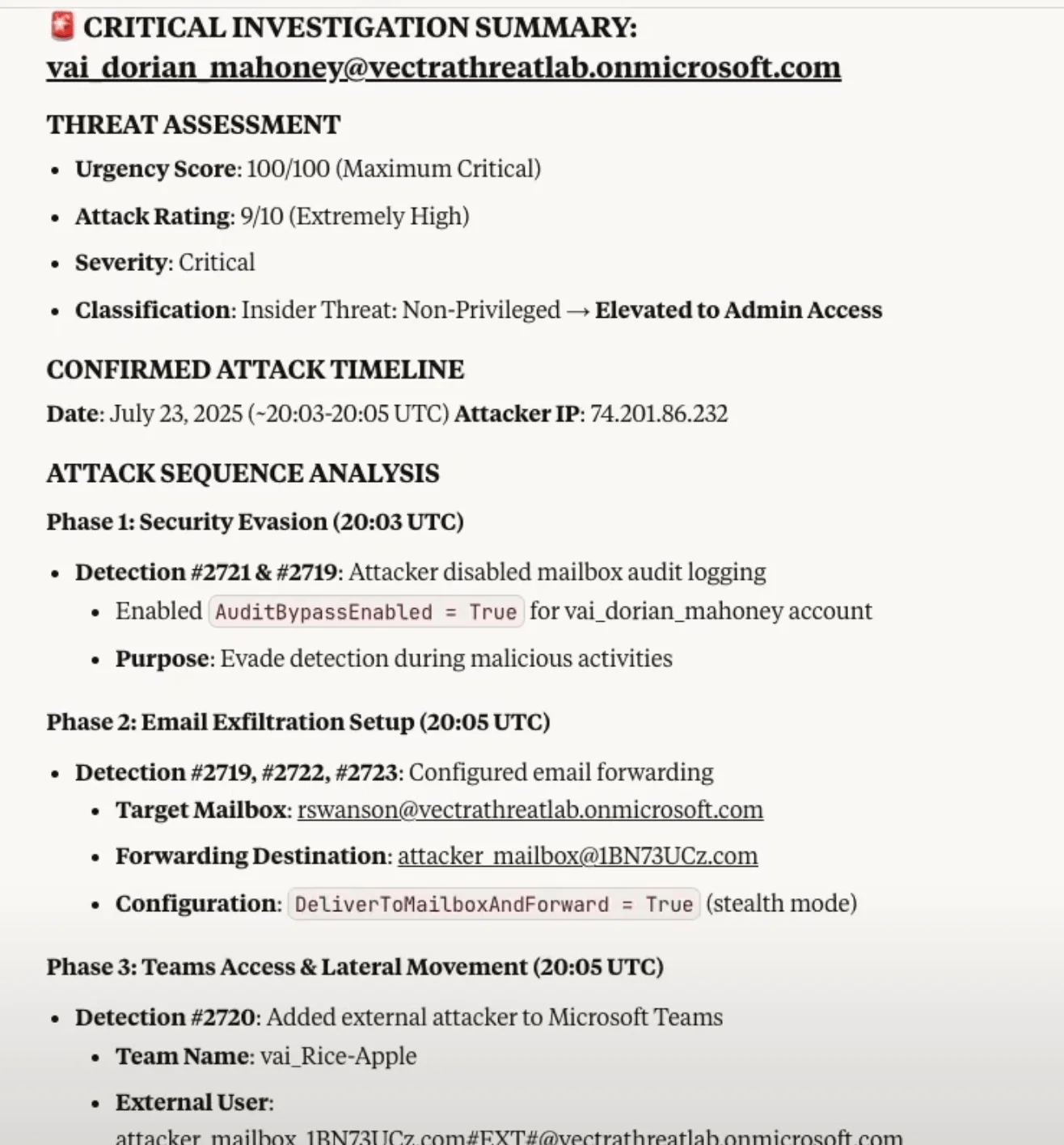
Vectra’s MCP Server connects to its detection and response platform, helping users reconstruct attack timelines or request risk summaries with conversational prompts. This is particularly powerful for SOC teams juggling multiple active investigations and gives CISOs better insight into lateral movement, dwell time, and response actions.
SOCRadar MCP Server
SOCRadar recently launched its own MCP Server, extending the reach of our threat intelligence platform into the AI ecosystem. By integrating intelligence modules such as attack surface management, vulnerability insights, and threat actor monitoring through MCP, CISOs can:
- Ask “Which vulnerabilities in our external-facing systems are now being actively exploited in the wild?”
- Pull context-rich profiles of threat actors targeting their industry.
- Automate intelligence gathering into executive-ready summaries.
- Build cross-tool workflows by connecting MCP queries to SOCRadar’s enriched feeds.
In addition to allowing organizations to create their own prompts, SOCRadar MCP Server also includes a wide range of predefined prompts designed for not only CISOs, but also SOC analysts, red team members, and so on. Examples include Executive Attack Surface Overview, Architect Vulnerability Report, and Find Exploitable Vulnerabilities. These are powered by SOCRadar modules and can be invoked directly with natural language, making it easier for different roles to obtain the intelligence they need.
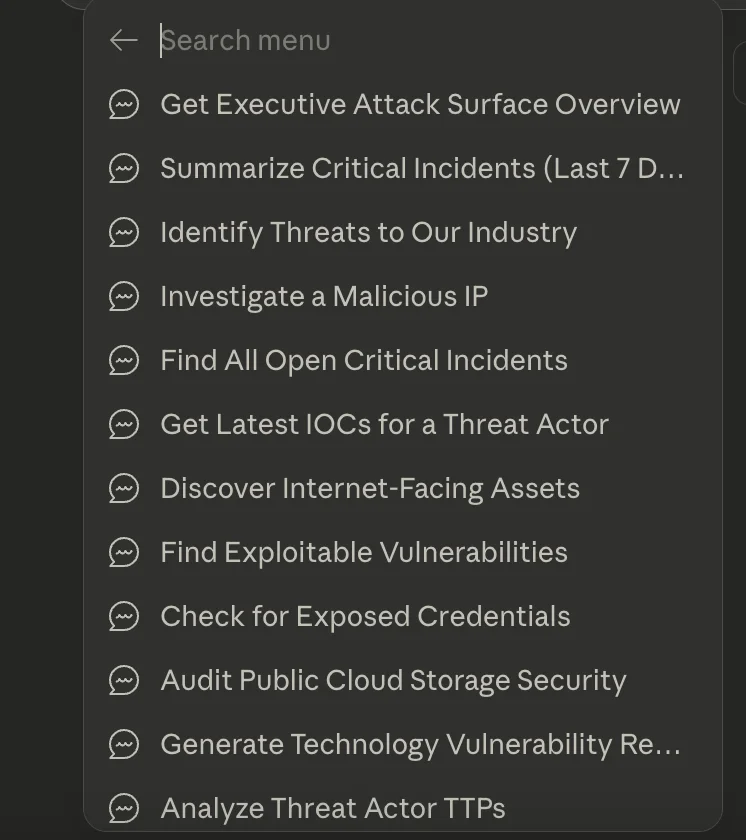
Some predefined prompts available with SOCRadar MCP Server
This flexibility means security leaders can interact with intelligence data faster, without sacrificing control or context.
10 Use Cases: How SOCRadar’s MCP Server Helps CISOs
The following use cases focus on real challenges faced by CISOs and demonstrate how MCP servers address them. Each scenario is illustrated with example results drawn from SOCRadar’s own MCP Server, highlighting how security leaders can turn pain points into efficient, actionable workflows.
1. Unifying Incident Response Timelines
Security teams often lose precious hours stitching together fragmented data from logs, feeds, and alerts to understand the scope of an incident. This slows down containment and increases risk exposure. MCP servers change that by consolidating everything into a single queryable interface, eliminating tool-hopping and spreadsheet work.
CISOs no longer need to ask their teams for piecemeal updates. They can issue a single request and receive a complete, consolidated timeline that accelerates both containment and root-cause analysis, exportable directly into incident response platforms.
- Example prompt: “Show me all phishing domains detected in the last 48 hours that match indicators from the recent APT28 credential-harvesting campaign targeting APAC organizations.”
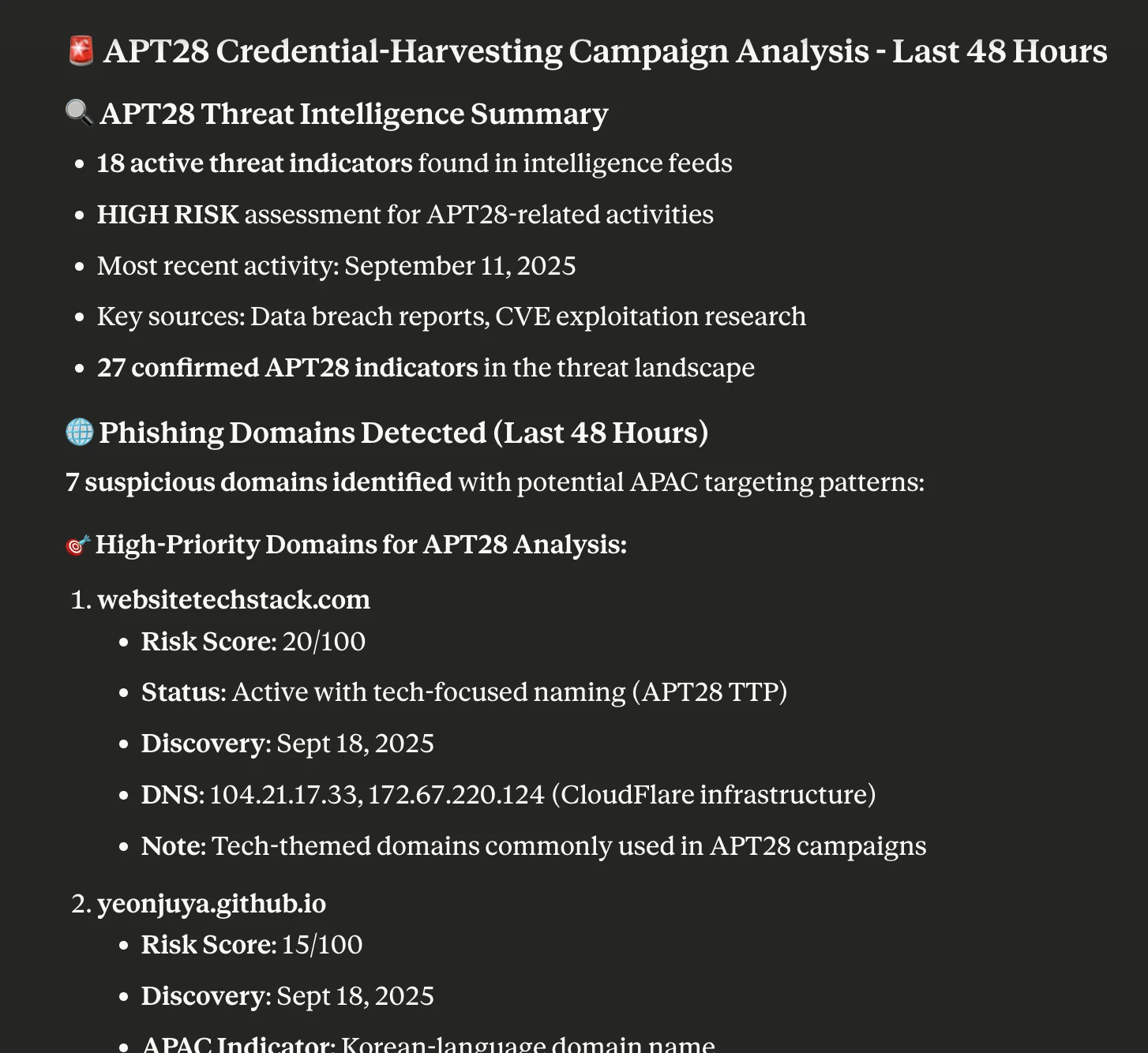
A quick campaign analysis done by the SOCRadar MCP server
2. Executive Attack Surface Visibility
Organizations frequently lack a real-time, high-level view of their digital footprint, which makes it difficult for CISOs to brief leadership or prioritize defenses. Manual reporting takes hours and often leaves out critical risks. MCP servers generate instant summaries and visuals that highlight exposed assets and vulnerabilities in seconds.
Instead of wasting time piecing together spreadsheets, CISOs can request a top-level summaryand receive an executive-ready snapshot, integrated with attack surface management modules. This gives leadership clear visibility for decision-making.
- Example prompt: “Provide a high-level overview of our company’s current attack surface, including the number of assets and any critical security alerts affecting our online banking applications.”
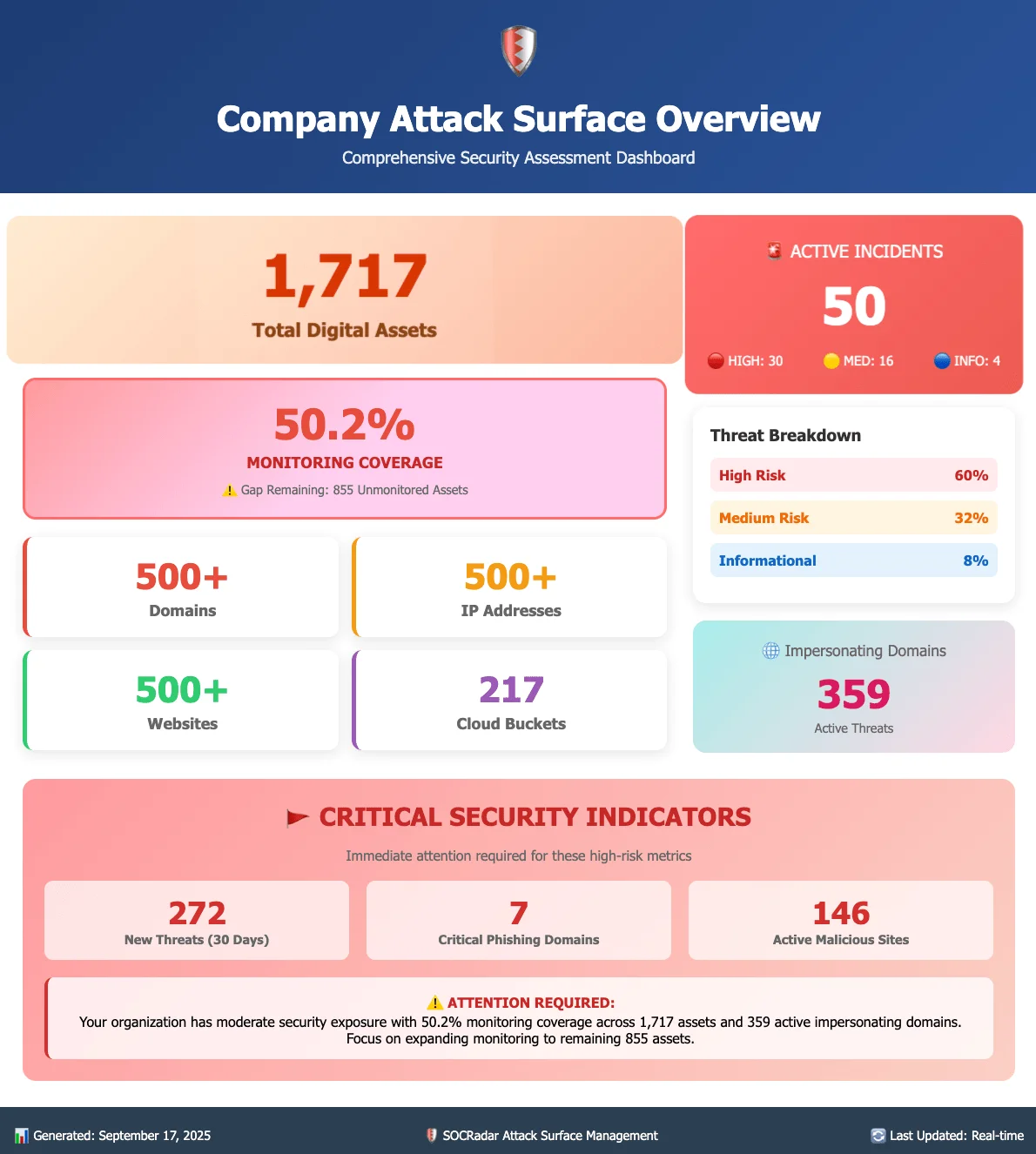
Company attack surface overview by SOCRadar MCP Server
3. Prioritizing Vulnerability Remediation
CISOs constantly face pressure to patch vulnerabilities, but deciding which ones to address first can be overwhelming. Critical flaws pile up faster than teams can respond, while attackers quickly exploit the ones that matter most. MCP servers help by linking vulnerability data with live threat intelligence to highlight the exposures that present real business risk.
With a single query, CISOs can see which critical vulnerabilities affect their assets and whether exploitation is already active in the wild. This ensures patches are prioritized where the threat is immediate, closing the gap between disclosure and protection.
- Example prompt: “List all assets in our inventory affected by critical severity CVEs, and show whether active exploitation has been observed in threat intelligence feeds.”
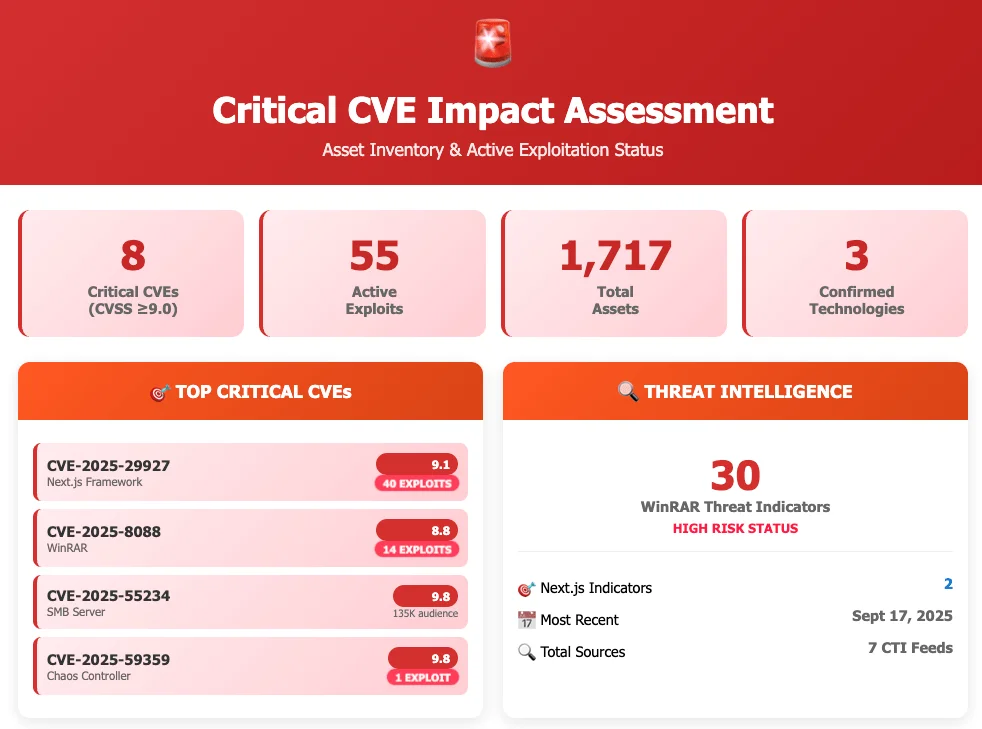
SOCRadar’s MCP Server includes predefined prompts that can automatically generate CVE impact assessments and attack surface summaries tailored for executives
4. Threat Actor Profiling
CISOs need to know not just that an attack is happening, but who is behind it and what tactics they use. Without this context, defense strategies are reactive and often incomplete. MCP servers make it possible to pull detailed actor profiles and correlate them with sector-specific risks in seconds.
By linking external intelligence with internal visibility, CISOs can understand attacker motivations, infrastructure, and current activity against their industry. This empowers them to anticipate attacks rather than merely respond.
- Example prompt: “What are the latest IOCs associated with threat actors targeting the financial sector? I need to understand the current threat landscape for our industry.”
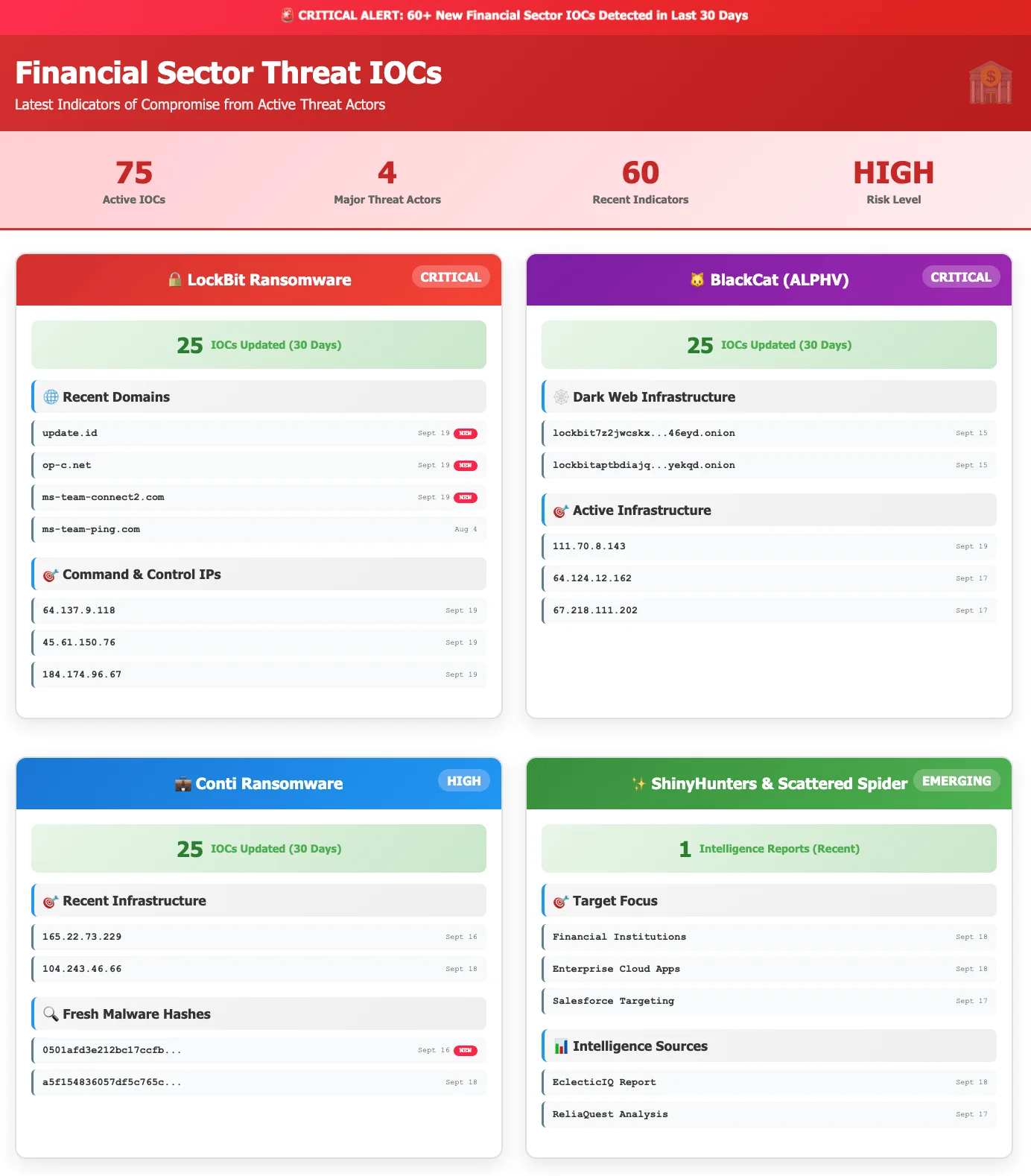
Using the ‘CISO Industry Threats’ predefined prompt in SOCRadar’s MCP Server to generate tailored threat insights for executive decision-making
5. Phishing Campaign Detection
Brand impersonation and phishing campaigns erode customer trust and can damage corporate reputation quickly. Detecting them early is critical, yet manually correlating domain registrations, mail security logs, and threat intelligence feeds takes too long. MCP servers automate this by pulling and correlating the data in one step.
CISOs gain immediate visibility into brand abuse attempts, with alerts that can trigger takedowns or awareness campaigns. This proactive defense keeps both customers and the organization safer.
- Example prompt: “Have any newly registered domains imitating our brand been flagged in the last week, and are they sending phishing emails to our customers?”
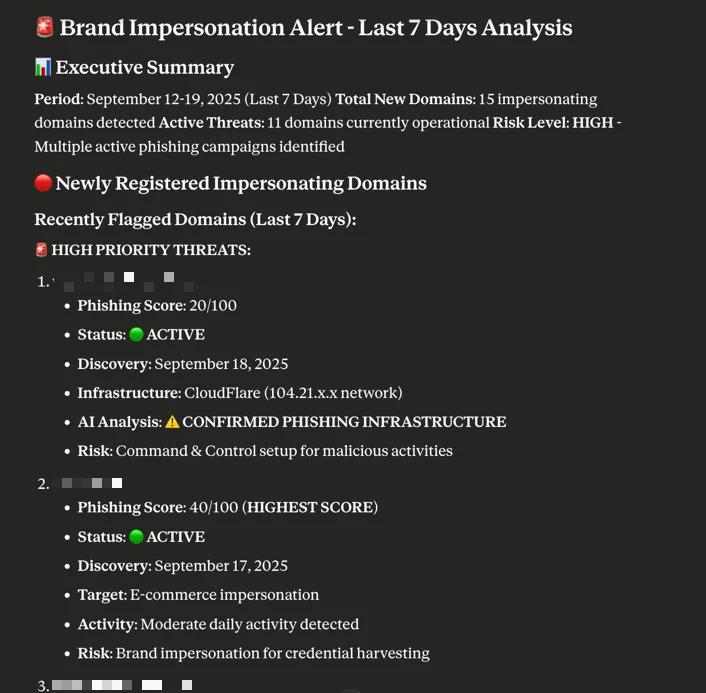
With SOCRadar’s MCP, uncover newly registered impersonation domains and active phishing threats through AI-driven analysis, spotting brand abuse campaigns before they spread
6. Credential Exposure Monitoring
Exposed executive or privileged credentials are a direct path to business compromise. Searching breach datasets manually or waiting for third-party alerts can leave you blind to emerging risks. MCP servers streamline this by checking breach databases and mapping exposed accounts against sensitive roles.
With instant alerts, CISOs can take immediate steps like forcing resets, enforcing MFA, or launching investigations before attackers exploit stolen credentials.
- Example prompt: “Check if any of our company’s executive or privileged accounts have appeared in recent breach datasets or credential dumps.”
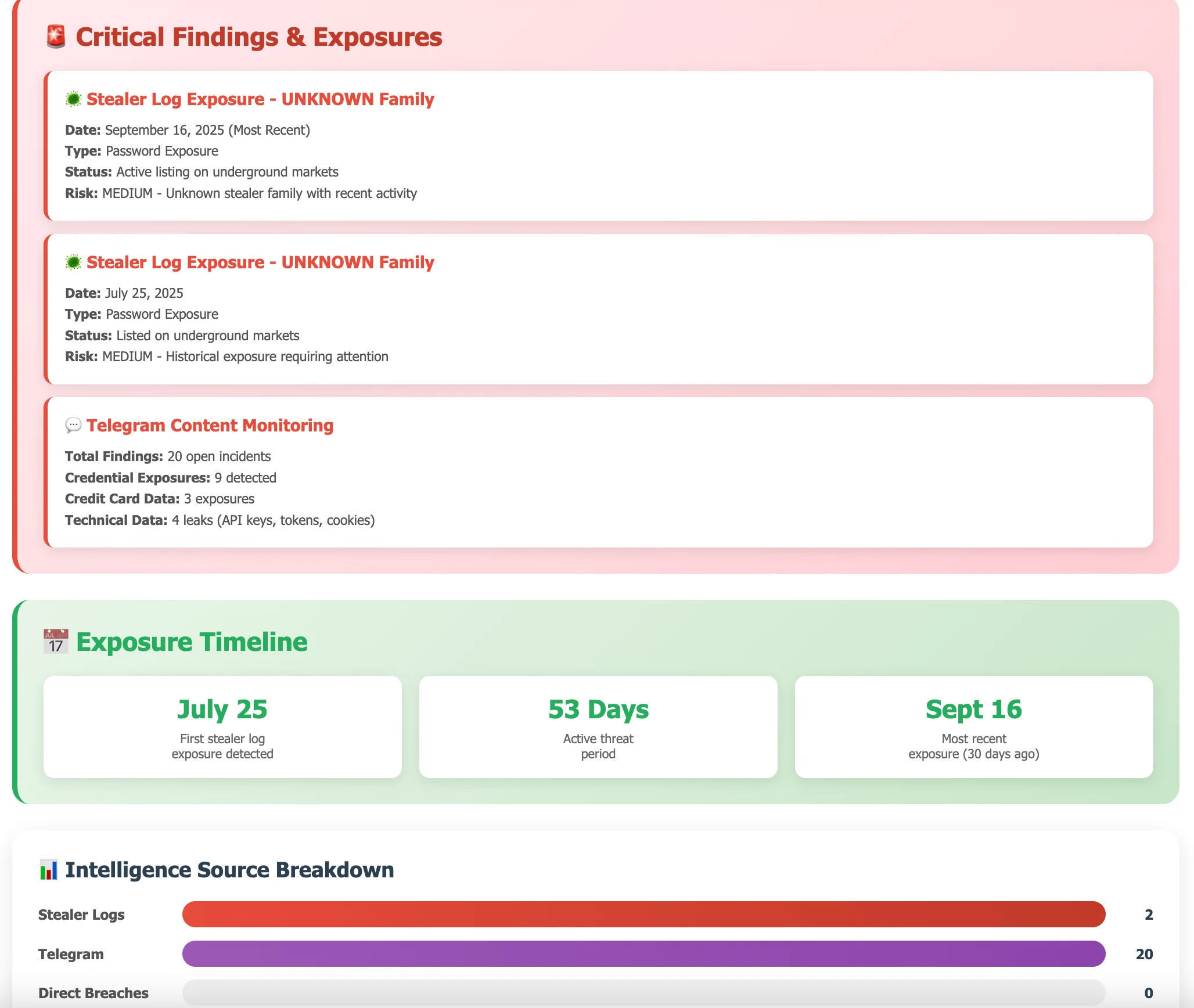
Critical exposure reports on executive accounts, including stealer log and IM content findings
7. Threat Trend Forecasting
CISOs often struggle to move beyond reacting to yesterday’s attacks toward anticipating what comes next. Siloed reports rarely highlight shifts in attacker behavior until it is too late. MCP servers help by analyzing historical incidents and correlating them with global threat intelligence to spot early signs of change.
With this forward-looking view, CISOs can make proactive investments, whether preparing for new Ransomware-as-a-Service (RaaS) variants or hardening supply-chain defenses, rather than reacting after the damage is done.
- Example prompt: “Identify the top three emerging threat trends over the next quarter based on global threat intelligence feeds and recent incidents in our industry.”
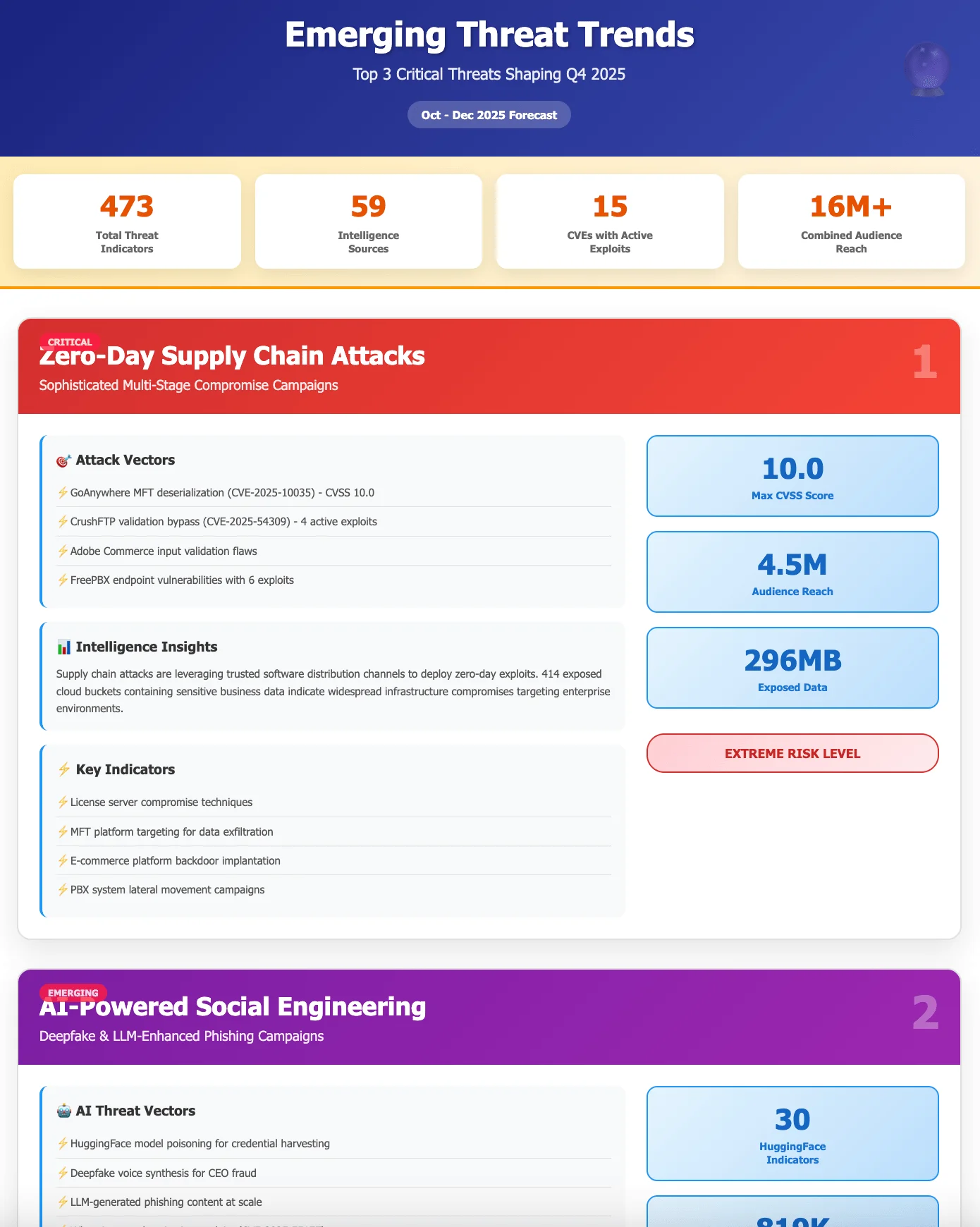
Forecasting emerging threat trends with SOCRadar’s MCP Server – turning global intelligence and past incidents into forward-looking insights for executives
8. Compliance and Policy Validation
Audits and compliance checks are time-consuming for CISOs, especially when they rely on manual rule reviews or static reports. This slows down the ability to prove readiness against frameworks like PCI DSS or to validate defenses against active threats.
MCP servers solve this by querying firewall policies directly against live threat intelligence. Instead of spending days preparing for an audit, CISOs can instantly confirm whether critical IPs are blocked and generate reports for governance teams.
- Example prompt: “What are the IP addresses linked to the LockBit ransomware group that our firewall policies should block?”
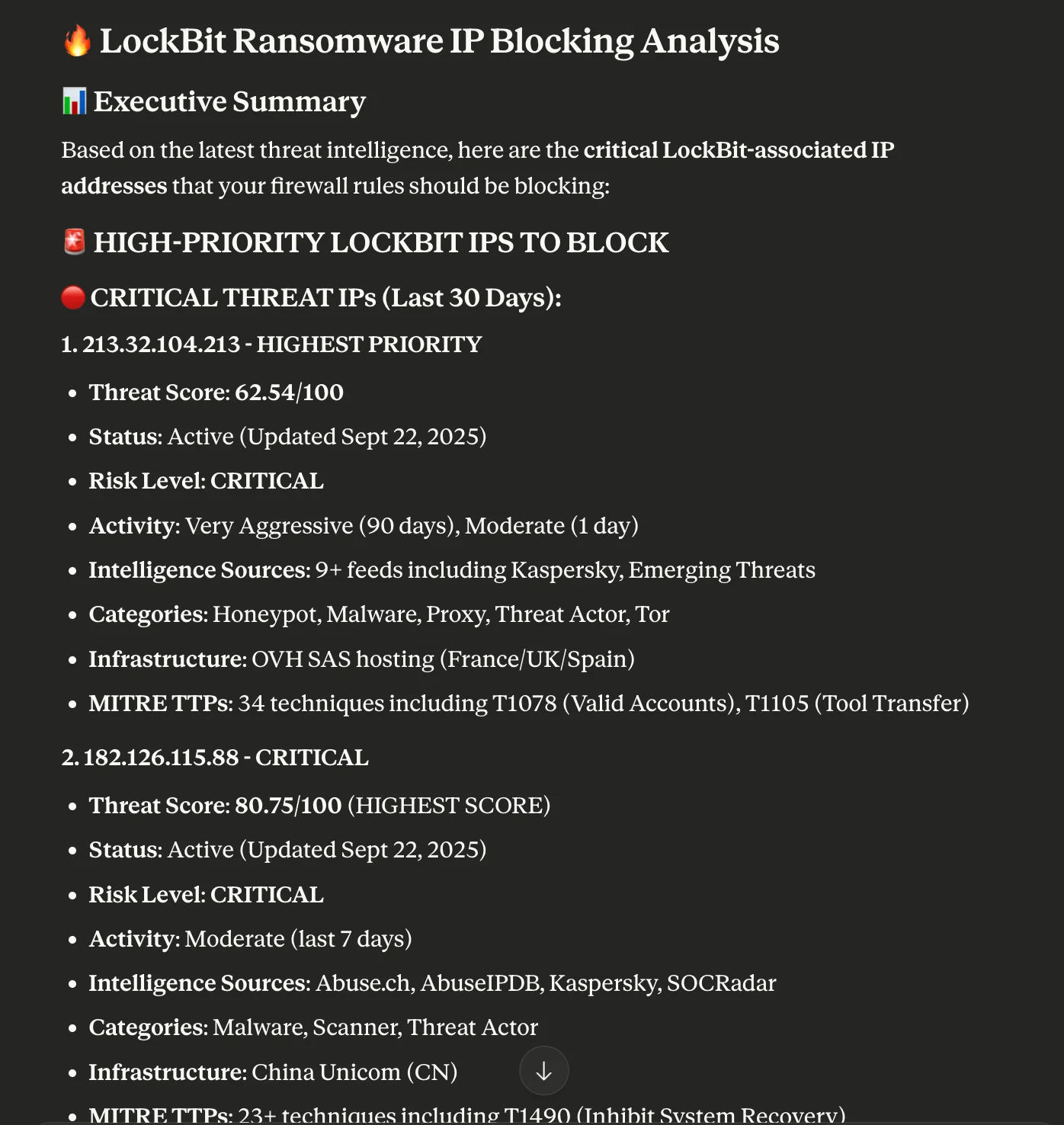
SOCRadar’s MCP server can help match firewall rules against live threat intel, helping you spot gaps fast and keep compliance intact
9. Threat Hunting at Scale
Large enterprises generate massive amounts of log data, making proactive hunting nearly impossible without dedicated expertise and endless time. CISOs often see hunting deprioritized because of its complexity, leaving stealthy threats undetected.
MCP servers lower the barrier by allowing natural language queries that unify logs, threat intelligence, and enrichment data. This means CISOs can empower their teams to conduct more frequent, broader hunts, finding threats earlier without burning out analysts.
- Example prompt: “Show me anomalous outbound connections from high-value servers that overlap with domains recently flagged as command-and-control.”
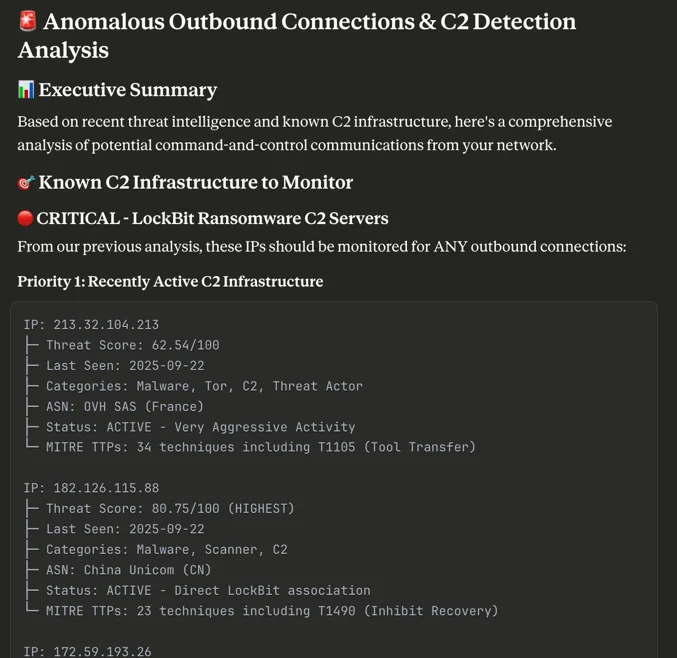
The MCP server can monitor critical alarms to generate analysis of malicious detections
10. Fraud and Abuse Monitoring
Credential-stuffing attacks and bot-driven fraud erode customer trust and can cause serious financial damage if unnoticed. CISOs face challenges in correlating authentication data with wider fraud intelligence, often leaving gaps in defense.
MCP servers aggregate fraud intelligence with internal authentication logs to provide early visibility into abuse campaigns. CISOs can act faster, sharing insights with fraud prevention teams to stop account takeovers and reduce customer churn.
- Example prompt: “Are there spikes in credential-stuffing traffic against our login pages, and do they align with botnet activity seen globally?”
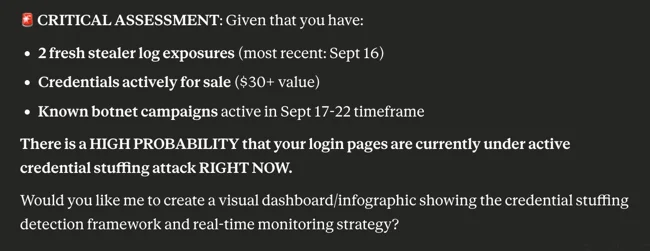
Critical assessment on recent targetings of the company
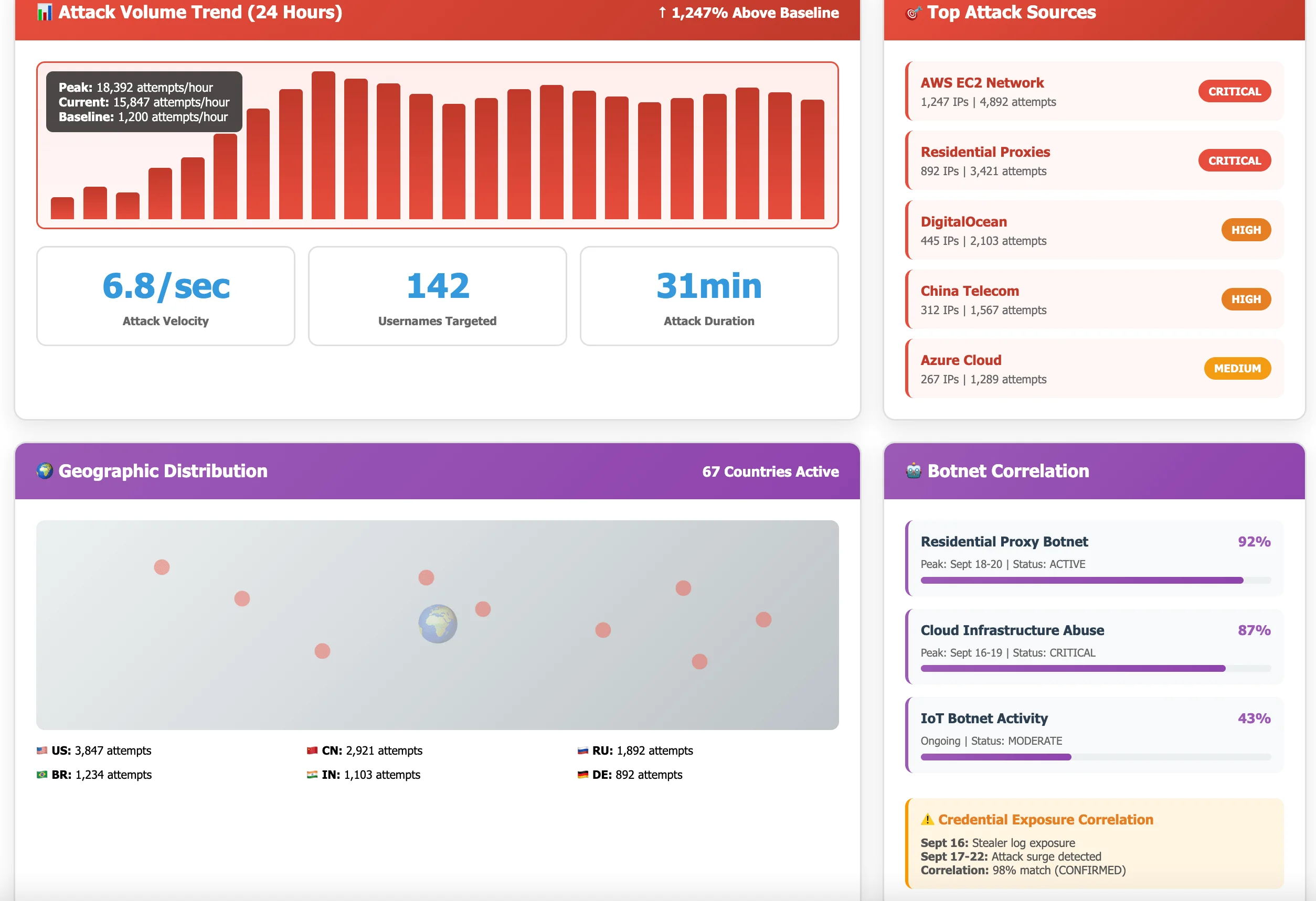
An infographic prepared by the SOCRadar MCP Server to show the botnet attack details
Conclusion
MCP servers are more than a technical novelty. They represent a shift in how CISOs and security teams can interact with intelligence. From reconstructing attack timelines to automating executive summaries, they cut through operational friction and let leaders focus on decisions rather than data wrangling.
While early adopters are already demonstrating MCP’s value, SOCRadar’s newly launched MCP Server brings the same power to one of the most comprehensive threat intelligence platforms on the market. By combining deep external intelligence with a secure, conversational interface, SOCRadar helps CISOs stay a step ahead of attackers and ahead of the curve. As a further advantage, SOCRadar MCP also provides predefined prompts for different roles, giving CISOs and their teams convenient starting points alongside the flexibility of custom queries.

With use cases ranging from zero-day response to executive reporting, MCP servers are rapidly becoming an essential component of modern cyber defense.