

Oct 07, 2026

Table Of Content
What Makes the Deep Web a Valuable Threat Intelligence Source
Why Is the Deep Web Overlooked in Threat Intelligence?
What Kind of Threat Data Lives in the Deep Web?
How Deep Web Intelligence Enhances Threat Detection and Response
What Tools Are Best for Deep Web Threat Monitoring?
Is Deep Web Intelligence Enough on Its Own?
Conclusion
Related Articles
NetScaler C2: CVE-2026-88771 Exploitation Operation




Aug 08, 2025
7 Mins Read

Summarize with:
What Makes the Deep Web a Valuable Threat Intelligence Source
Organizations are turning to unconventional data sources to gain an edge in cybersecurity. One such source, often underestimated or misunderstood, is the deep web. This hidden layer of the internet, rich with unindexed content and gated discussions, is proving to be an invaluable asset in the threat intelligence space.
If you’re not familiar with the concept of deep web threat intelligence, our previous article “What Is Deep Web Threat Intelligence?” offers a solid foundation. Meanwhile, this follow-up focuses on another critical question: what makes the deep web so valuable as a threat intelligence source, and why should cybersecurity teams pay closer attention?

Why Is the Deep Web Overlooked in Threat Intelligence?
Despite its potential, the deep web is often underutilized in threat intelligence programs. Much of this stems from visibility challenges: by design, deep web content is not indexed by search engines, and access is often gated behind logins or restricted memberships. Without the right tools, this content is virtually invisible.
Myths That Reduce Its Adoption

AI illustration: Cybersecurity expert weighs deep web misconceptions and visibility gaps in threat intelligence.
Several misconceptions also keep organizations from leveraging the deep web effectively:
- “It’s all illegal.” The deep web is not the same as the dark web. While the dark web often hosts illicit content, the deep web includes countless legitimate platforms (like internal forums, closed developer communities, and private data dumps) where early signs of cyber threats can emerge.
- “It’s too complex to monitor.” While manual monitoring is challenging, modern tools have made deep web surveillance far more accessible, offering structured alerts and automated scanning capabilities.
- “It’s not worth the effort.” In reality, some of the most valuable threat intelligence, such as stolen credentials, early exploit chatter, or insider leaks, first appears in deep web environments.
What Kind of Threat Data Lives in the Deep Web?
The deep web might be hidden, but it’s far from empty. For cybersecurity professionals, it holds a wealth of threat intelligence that often escapes surface-level monitoring. These sources offer unique insights into emerging tactics, compromised assets, and the digital footprints of threat actors.
Forums, Paste Sites, and Leaks
Private forums and invite-only communities are common hangouts for cybercriminals sharing tools, techniques, or stolen data. Paste sites, used to quickly share large text dumps, frequently contain leaked credentials, malware code, or insider posts. While not always malicious by design, these platforms often become hubs for early threat activity.
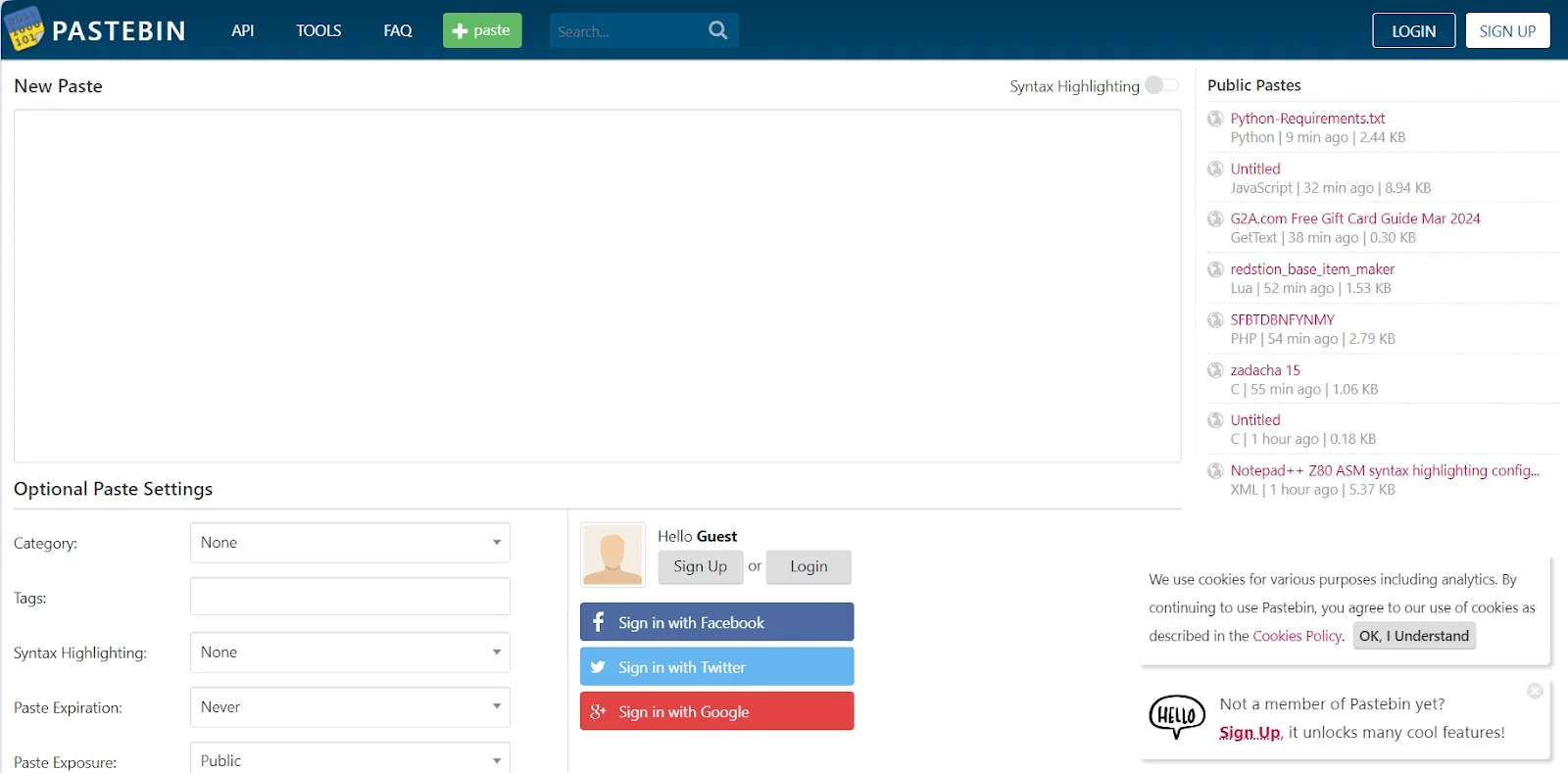
Pastebin.com, one of the most popular paste sites on the web
Indicators of Compromise (IOCs)
The deep web is also a fertile ground for uncovering Indicators of Compromise. These can include IP addresses, file hashes, domain names, and email accounts linked to active or planned attacks. Spotting these IOCs early allows security teams to block malicious infrastructure, contain potential breaches, and adjust defenses in real time.
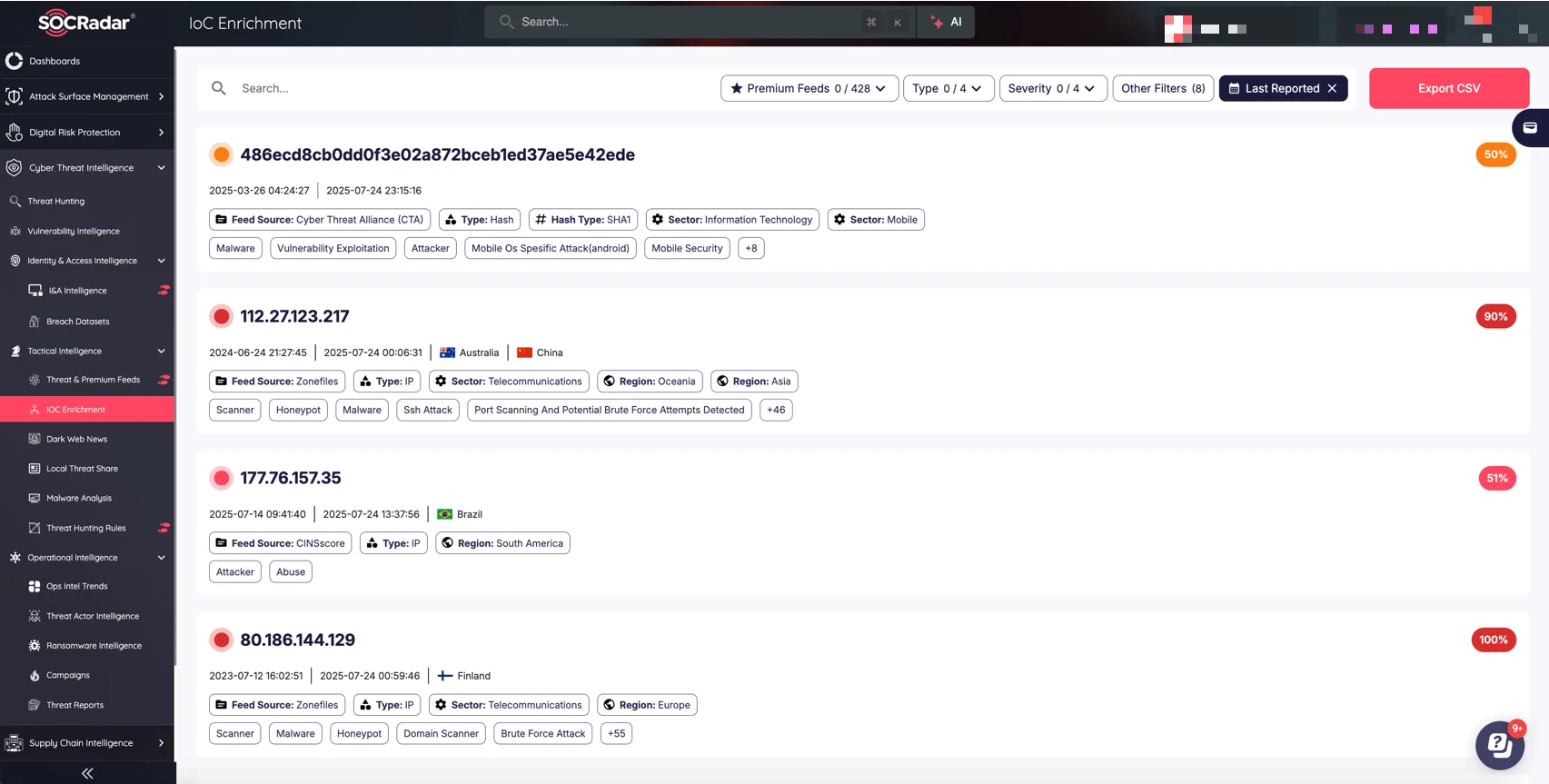
SOCRadar’s IOC Enrichment page, under the Cyber Threat Intelligence module
Accessing and managing IOCs effectively can be challenging without the right tools. Platforms like SOCRadar help simplify this by providing centralized, real-time visibility into active IOCs, enriched with contextual data and integrated directly into existing security operations.
How Deep Web Intelligence Enhances Threat Detection and Response
Deep web intelligence offers visibility into threats in their early stages, before they reach the surface or cause damage. Key ways it strengthens detection and response include:
- Early Warning Capabilities: Mentions of attack plans, leaked credentials, and exploit chatter often surface in closed forums first. Monitoring these spaces helps security teams respond proactively, patching vulnerabilities or blocking access before attackers strike.
- Improving Threat Actor Attribution: By tracking aliases, reused tools, or patterns in underground discussions, deep web insights support stronger attribution. This helps organizations understand who’s behind a threat and how they operate.
- Better Prioritization and Context: When a vulnerability is actively discussed in threat communities, it signals urgency. Deep web data helps teams prioritize what matters, filter out false positives, and speed up triage.
- Third-Party Risk Awareness: If a vendor’s data appears in underground forums, it could expose your systems too. Deep web monitoring flags these indirect risks early.
In short, this intelligence turns scattered underground signals into timely, actionable insights, strengthening both detection and response.
What Tools Are Best for Deep Web Threat Monitoring?
Features to look for in a strong deep web monitoring tool include:
- Access to a broad range of hidden sources (e.g., forums, paste sites, breach dumps)
- Real-time alerts on threat actor activity or leaks
- Contextual tagging and IOC enrichment
- Integration with existing security platforms (SIEM, EDR, TIPs)
- Analyst-friendly dashboards and visualizations
- Support for TAXII or similar data sharing protocols
Several threat intelligence platforms now offer visibility into deep web activity as part of their capabilities. SOCRadar, for example, provides a unified approach through its Dark Web Monitoring module, combining access to deep and dark web sources with threat actor profiling, leaked data detection, and IOC management.
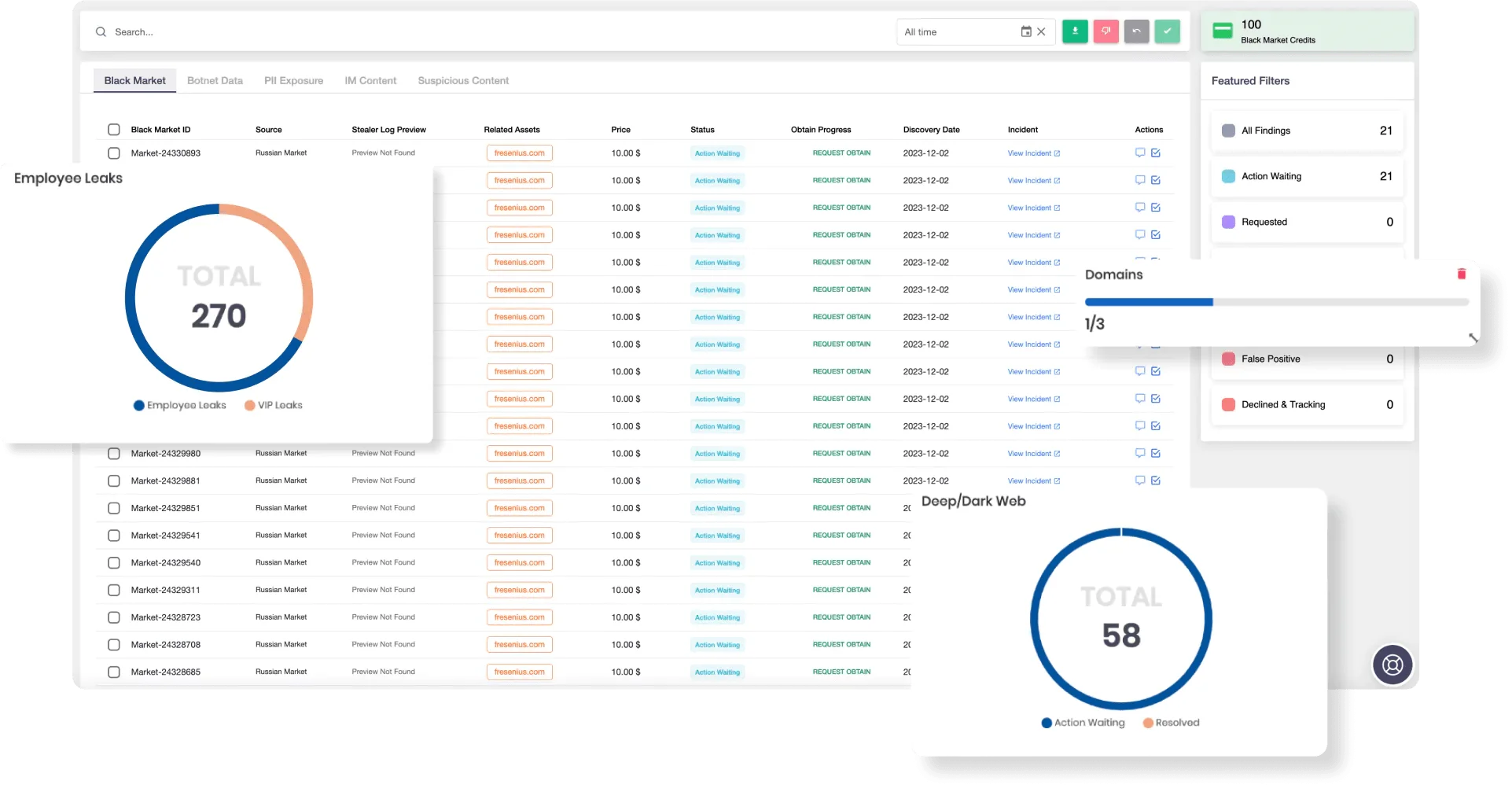
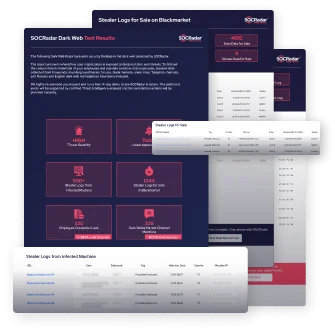
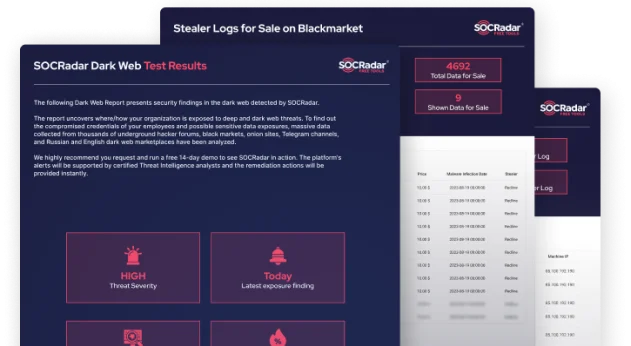
Discover hidden cyber threats with SOCRadar’s Dark Web Monitoring.
Designed to deliver actionable intelligence from the internet’s most hidden layers, this solution gives security teams the insights they need to respond early and effectively. With real-time monitoring and enriched context, it helps organizations uncover emerging threats across underground spaces.
Key capabilities include:
- Detecting leaked credentials and sensitive data on forums and marketplaces
- Monitoring threat actor activity and underground chatter
- Receiving alerts on ransomware, data sales, and other emerging threats
- Tracking brand impersonation and phishing domains
- Identifying third-party exposures that could impact your security posture
Everything you need to monitor what’s hidden, consolidated in one powerful platform.
Is Deep Web Intelligence Enough on Its Own?
Deep web intelligence is a powerful layer, but it works best as part of an integrated threat intelligence strategy, guided by experienced hands.
Threat data from the surface web, dark web, internal logs, and commercial feeds all play a role in building a complete threat landscape view. Combining these sources ensures broader coverage and stronger context. This helps teams spot patterns that any one channel might miss.
Just as important is human expertise. Even the best tools can’t replace the analytical thinking required to interpret intent, assess credibility, or prioritize threats effectively. Security analysts add the judgment needed to turn raw data into smart decisions.
Conclusion
The deep web remains an underutilized but powerful source of threat intelligence, revealing early warnings, credential exposures, and covert threat actor activity that often go unnoticed by surface-level monitoring. When integrated into a broader cybersecurity strategy, it adds critical depth, speed, and context to threat detection and response.
To maximize the value of deep web insights, organizations should combine them with other intelligence sources, leverage tools that provide real-time enrichment, and rely on skilled analysts to interpret and act on the data.
When approached strategically, deep web monitoring becomes more than a data feed. It becomes a decisive advantage in proactive cyber defense.