

Mar 10, 2026

Jan 31, 2026
5 Mins Read
Sep 13, 2026
Table Of Content
Related Articles
SMS Bombing
Threat Actors
Jan 08, 2026
Dark Web Monitoring
Feb 19, 2026
Ransomware
Jan 31, 2026
OSINT Framework
Apr 17, 2026

What Is Strategic Threat Intelligence?
Strategic threat intelligence explains how long-term threat trends, geopolitical developments, technologies, industries, and adversary incentives could affect organizational decisions.
Its primary audience includes executives, boards, risk leaders, and security leadership. Unlike tactical or technical intelligence, strategic intelligence emphasizes implications, scenarios, priorities, and uncertainty rather than individual indicators or immediate defensive rules.
Key Takeaways
- Strategic threat intelligence explains how long-term threat trends, geopolitical developments, technologies, industries, and adversary incentives could affect organizational decisions.
- Its primary audience includes executives, boards, risk leaders, and security leadership. Unlike tactical or technical intelligence, strategic intelligence emphasizes implications, scenarios, priorities, and uncertainty rather than individual indicators or immediate defensive rules.
- Reporting that does not support a decision is a primary concern.
- Effective programs combine prevention, continuous visibility, accountable ownership, and tested response.
How It Works
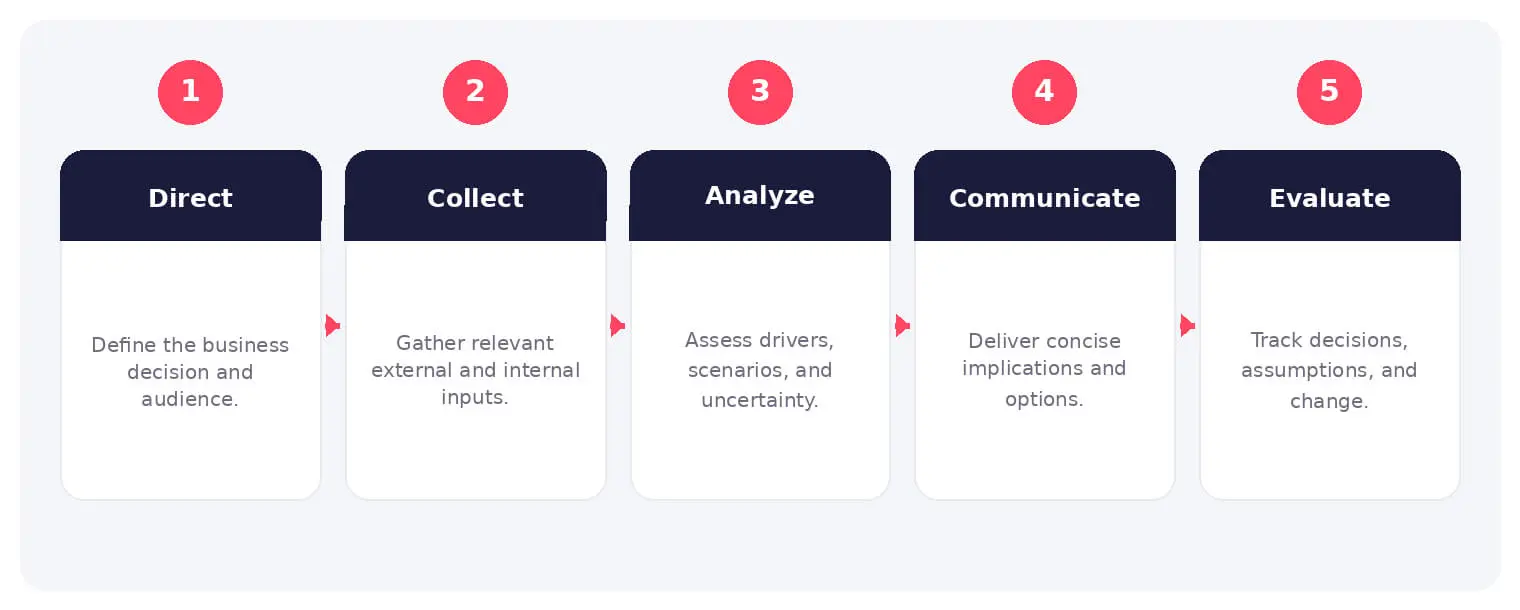
The operating flow above turns the concept into observable steps. Exact implementations vary, but each stage needs accountable ownership, trusted inputs, documented policy, and evidence that analysts can use during investigation and review.
Its primary audience includes executives, boards, risk leaders, and security leadership. Unlike tactical or technical intelligence, strategic intelligence emphasizes implications, scenarios, priorities, and uncertainty rather than individual indicators or immediate defensive rules.
Common Types and Capabilities
- Geopolitical and regional assessments
- Sector and technology threat outlooks
- Adversary intent and capability analysis
- Investment, market, and scenario intelligence
Security and Business Risks
- Reporting that does not support a decision
- Overconfidence in uncertain forecasts
- Information overload for executives
- Bias caused by narrow or unreliable sources
Warning Signs and Detection
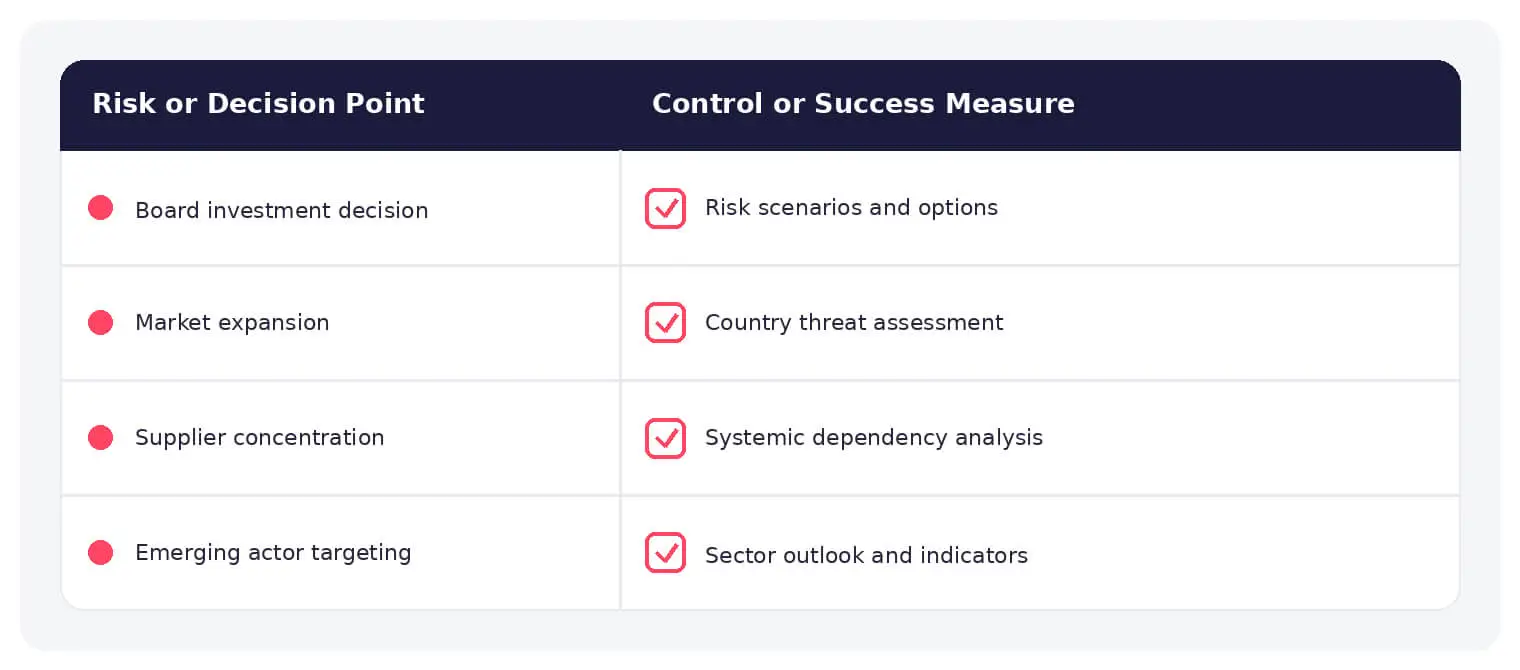
Monitor changes in actor intent, regional conflict, regulation, criminal markets, targeting of the organization’s industry, technology adoption, supplier concentration, systemic vulnerabilities, insurance conditions, and assumptions that underpin major security investments.
Best Practices
Begin with a clear decision, distinguish facts from judgments, state confidence and alternatives, use diverse sources, connect threats to business exposure, keep language concise, set indicators for scenario change, and review whether intelligence influenced action.
How SOCRadar Can Help
SOCRadar adds external visibility, threat intelligence, exposure context, and continuous monitoring to help teams validate and prioritize risks related to strategic threat intelligence. This context complements internal security operations, identity, response, and governance controls.
Explore SOCRadar Cyber Threat Intelligence or request a demo to strengthen threat-informed prevention and response.
Frequently Asked Questions
What Is Strategic Threat Intelligence and Who Is It For?
Strategic threat intelligence examines how long-term threat trends, geopolitical developments, technologies, industry dynamics, and adversary incentives may affect an organization’s decisions and risk posture. Its primary audience is leadership: executives, boards, CISOs, and risk leaders who need context for investment and policy decisions rather than individual indicators.
How Does Strategic Threat Intelligence Differ From Tactical and Technical Intelligence?
Tactical and technical intelligence focus on adversary infrastructure, campaigns, and indicators that defenders can act on in the short term. Strategic intelligence operates at a higher level, emphasizing implications, scenarios, priorities, and uncertainty. It informs what to defend and why, rather than how to block a specific attack.
What Kinds of Decisions Does Strategic Threat Intelligence Support?
Typical use cases include security budget allocation, supplier and third-party risk decisions, regional expansion assessments, cyber insurance negotiations, board reporting, and reviews of new technology adoption. The common thread is a decision with long-term consequences that benefits from threat context.
What Inputs Feed a Strategic Threat Intelligence Program?
Analysts draw on geopolitical and regional reporting, sector-specific threat outlooks, criminal market and underground activity, regulatory developments, adversary intent and capability assessments, and the organization’s own exposure data. Diverse, independent sources reduce the risk that conclusions rest on a narrow or biased view.
What Is the Biggest Risk in a Strategic Threat Intelligence Program?
The most common failure is producing reporting that does not support a decision the audience can actually make. Closely related risks include overstating confidence in uncertain forecasts, overwhelming executives with volume, and drawing conclusions from unreliable sources.
What Makes a Strategic Intelligence Product Useful to Executives?
Effective products start from a named decision, separate observed facts from analyst judgment, and state confidence levels and alternative scenarios in concise language. Explicit links to business exposure and pre-agreed indicators that would change the assessment make the analysis actionable.
What Signals Should Strategic Intelligence Monitor Over Time?
Useful signals include shifts in threat actor intent and capability, regional conflict dynamics, new regulation, criminal market services and pricing, targeting of the organization’s industry, technology adoption changes, supplier concentration, systemic vulnerabilities, and cyber insurance market conditions.
How Should Organizations Act on Strategic Threat Intelligence?
Treat each assessment as an input to a specific decision: adjust investment plans, revisit control assumptions, or accept a documented risk. Record what was decided, set indicators that would trigger a reassessment, and later review whether the intelligence influenced the outcome.
How Often Should Strategic Assessments Be Refreshed?
Cadence should follow decision cycles rather than a fixed calendar. Quarterly updates are common for board-level reporting, while events such as regional escalation or major regulatory changes justify ad hoc refreshes. Scenario indicators should be defined in advance so analysts know when an update is warranted.
What Is a Common Misconception About Strategic Threat Intelligence?
A frequent misconception is that strategic intelligence predicts the future. In practice, it frames plausible scenarios with stated confidence and alternatives, helping leaders prepare for a range of outcomes. It also complements rather than replaces tactical and technical intelligence.