What’s The Difference Between The Dark Web And The Deep Web
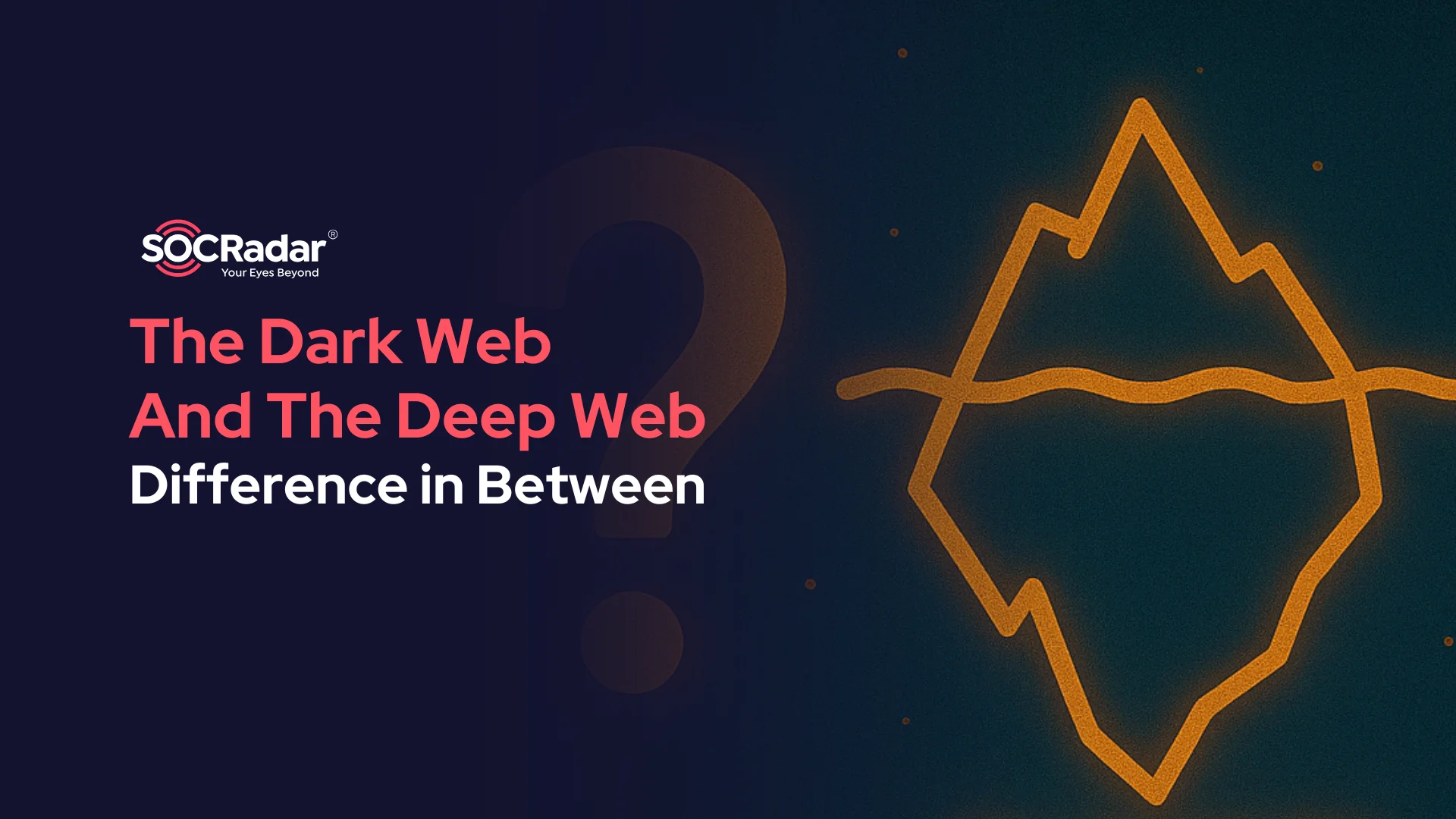
While both the dark web and deep web are hidden from search engines, they serve vastly different purposes. The deep web contains legitimate private content like your email inbox and bank accounts, while the dark web is a small subset requiring special software and often associated with anonymous activities.
The internet’s structure is far more complex than what meets the eye through regular search engines. Understanding the distinction between the dark web vs deep web is crucial for cybersecurity awareness and digital literacy. Many people confuse these terms, but they represent fundamentally different parts of our digital ecosystem with varying levels of accessibility, content types, and security implications.
This guide will clarify the deep web and dark web comparison, exploring how these hidden layers of the internet function, what content they contain, and why understanding their differences matters for both individuals and organizations navigating today’s complex digital landscape.
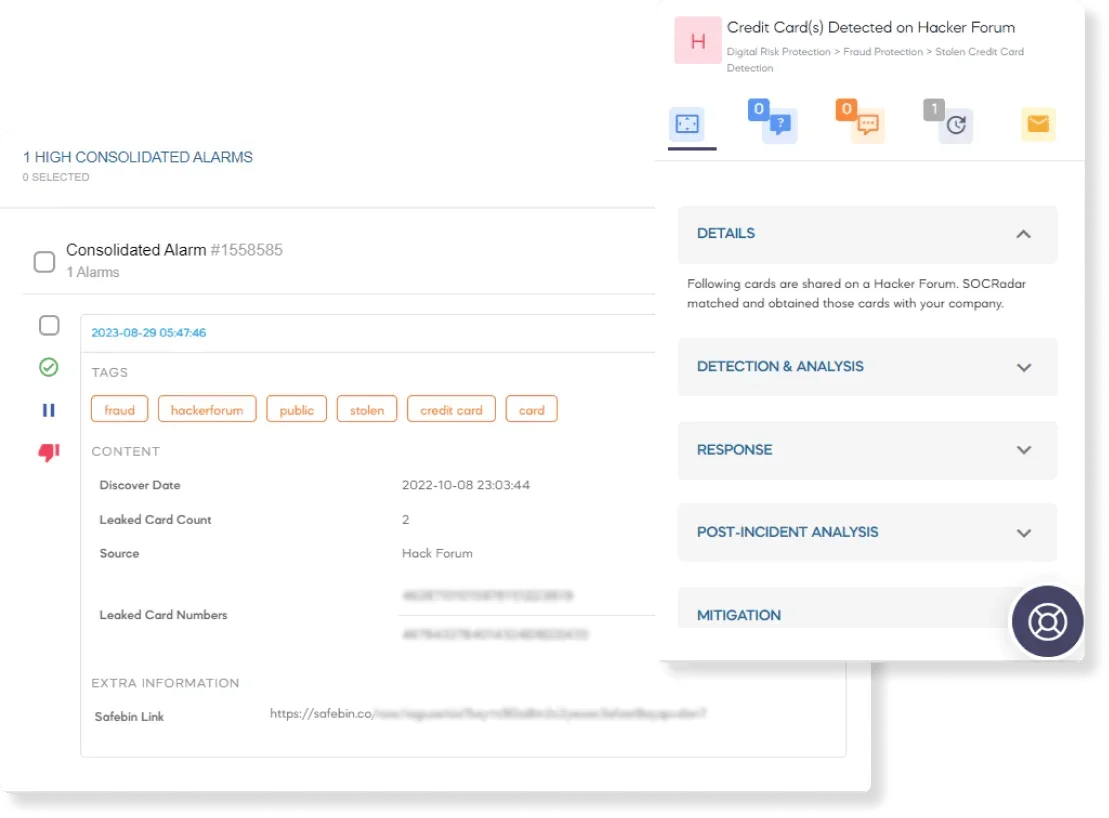
SOCRadar Advanced Dark Web Monitoring
What Is the Deep Web and Why It Matters
The deep web encompasses all internet content that search engines cannot index or access through standard browsing methods. This massive portion of the internet includes password-protected sites, private databases, internal company portals, and personal accounts that require authentication to access.
Unlike the surface web that we browse daily, deep web content is intentionally kept private through access control mechanisms. The deep web is not inherently dangerous or illegal, it’s simply the private side of the internet where sensitive information requires proper authorization to view.
| Deep Web Characteristics | Dark Web Characteristics |
| Password-protected content | Requires specialized software (TOR, I2P) |
| Private databases and repositories | Anonymous browsing and communication |
| Personal email accounts | Encrypted networks and hidden services |
| Banking and financial portals | Cryptocurrency transactions |
| Medical records and healthcare systems | Whistleblowing platforms |
| Academic institutional resources | Underground marketplaces |
| Corporate intranets and employee portals | Political activism in restricted regions |
| Cloud storage with access restrictions | Both legitimate and illegal activities |
The deep web serves essential functions in maintaining data privacy layers and protecting sensitive information from unauthorized access. Financial institutions, healthcare providers, educational institutions, and businesses rely on deep web infrastructure to secure confidential data while providing authorized access to legitimate users.
Types of Content Commonly Found on the Deep Web
Deep web content spans across numerous legitimate categories that form the backbone of secure internet operations. Understanding these content types helps clarify how the deep web differs from both the surface web and the dark web in terms of purpose and accessibility.
Personal accounts represent a significant portion of deep web content. Your email inbox, social media private messages, online banking dashboard, and cloud storage files all exist within the deep web because they require authentication to access. These platforms use access control systems to ensure only authorized users can view personal information.
Professional and institutional databases form another major category of deep web content. These include legal case databases, medical research repositories, academic journal archives, government regulatory filings, and corporate data management systems. This content remains in the deep web to maintain security, comply with regulations, and protect intellectual property.
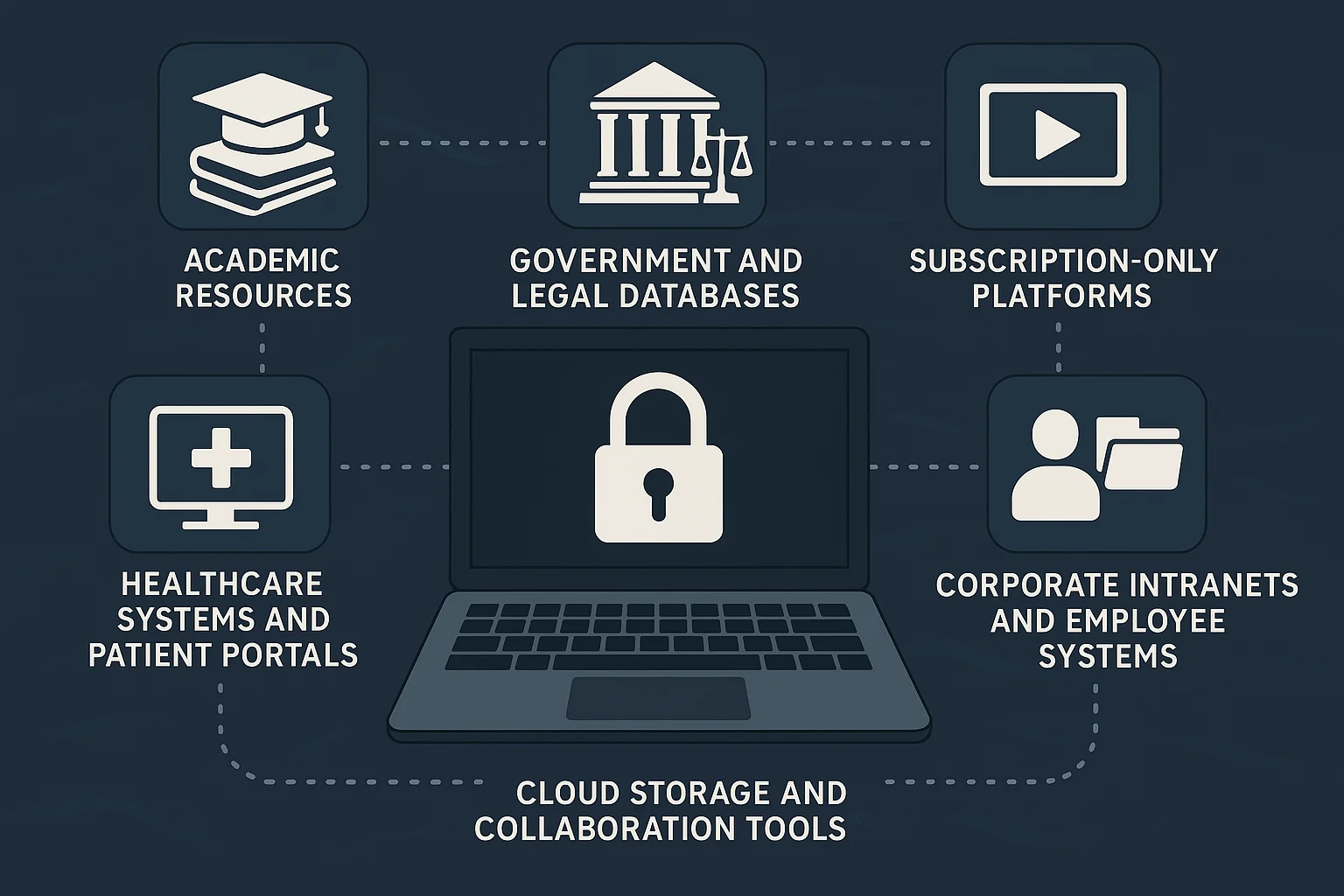
Types of Content Commonly Found on the Deep Web
- Academic Resources in the Deep Web: Universities host extensive deep web content like subscription-based journals (e.g., JSTOR, ProQuest), research databases, and institutional repositories that require student or faculty login. Student systems, learning platforms, and academic portals also reside here to protect sensitive data under privacy laws like FERPA.
- Government and Legal Databases: Government systems such as court records, tax databases, and immigration files operate in the deep web to safeguard sensitive data. Legal platforms like Westlaw and LexisNexis require subscriptions, offering professionals access to proprietary case law and documentation.
- Subscription-Only Platforms: Paid services like Netflix, LinkedIn Learning, and SaaS platforms exist in the deep web since they require authentication. News outlets like The New York Times also hide premium content behind paywalls. Business platforms hosting client data or proprietary tools similarly operate behind logins.
- Healthcare Systems and Patient Portals: Medical systems rely on the deep web for privacy and HIPAA compliance. Patient portals, electronic health records, and clinical trial databases are password-protected and restricted to authorized users to safeguard health information and research data.
- Cloud Storage and Collaboration Tools: Platforms like Google Drive, Dropbox, and Microsoft Teams use authentication to protect private files and communications. Development tools and code repositories also reside in the deep web to secure intellectual property.
- Corporate Intranets and Employee Systems: Employee-only portals like HR systems, payroll platforms, and internal tools live in the deep web. These systems protect confidential employee data, internal documents, and company resources from public exposure.
How Deep Web Examples Differ from the Dark Web
The fundamental difference between deep web and dark web lies in their accessibility, purpose, and content nature. Deep web content requires standard authentication methods like usernames and passwords, while dark web access requires specialized software and anonymous networks that deliberately obscure user identity and location.
Deep web content serves legitimate business, educational, and personal purposes with transparent ownership and clear access policies. Organizations openly operate deep web services while maintaining appropriate security measures. In contrast, dark web services often emphasize anonymity and may include both legitimate privacy-focused services and illegal marketplaces.
| Deep Web Access | Dark Web Access |
| Standard web browsers | Specialized software required (TOR, I2P) |
| Username and password authentication | Anonymous browsing protocols |
| Transparent service providers | Hidden service addresses (.onion domains) |
| Clear terms of service | Cryptocurrency-based transactions |
| Regular customer support | Anonymous communication methods |
| Legitimate business purposes | Mixed legitimate and illegal content |
The dark web anonymity vs deep web access control represents different security models serving different purposes. Deep web systems protect privacy through authentication and authorization, while dark web networks protect anonymity through encryption and routing protocols that hide user identity and location.
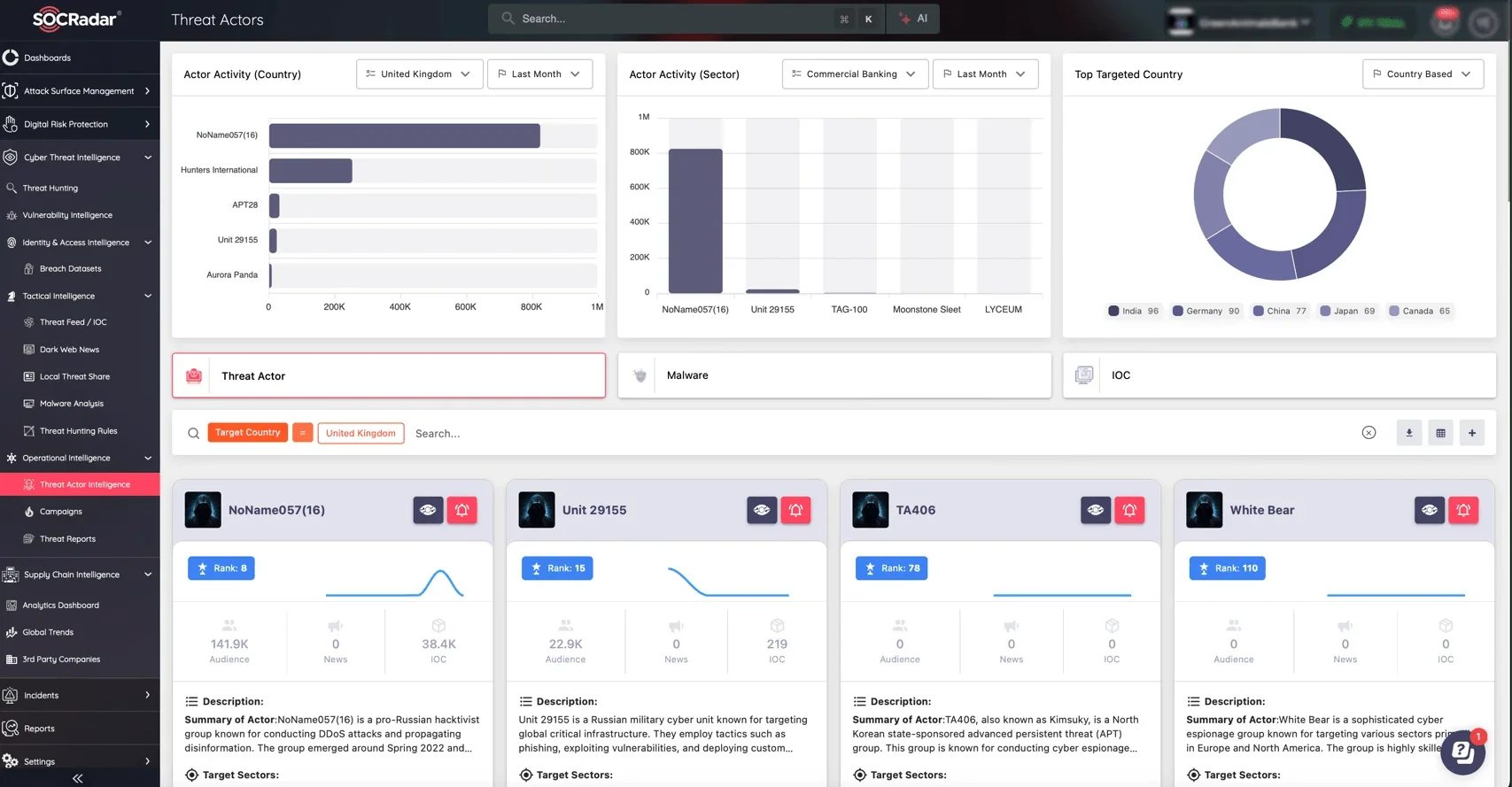
Easily track threat actors’ operating in the dark web; gain insights into their operations and TTPs via SOCRadar’s Threat Actor Intelligence
Safe Ways to Access and Use Deep Web Resources
Accessing deep web resources safely requires following standard cybersecurity best practices since most deep web content represents legitimate services with proper security measures. Users should employ strong, unique passwords for each account, enable two-factor authentication when available, and keep software updated to maintain security.
When accessing deep web resources like online banking, healthcare portals, or educational platforms, always verify the legitimacy of the website through official channels. Look for secure HTTPS connections, verify SSL certificates, and ensure you’re accessing the correct official website rather than potential phishing attempts.
Regular deep web usage, such as checking email, accessing online banking, or using cloud storage, poses minimal security risks when proper precautions are followed. These services implement industry-standard security measures and operate within legal frameworks that provide user protections and recourse options.
Understanding search engine indexing limitations helps users recognize that deep web content isn’t hidden for malicious purposes. It is protected to maintain privacy, security, and proper access control. This differs significantly from dark web content that may deliberately avoid detection for various reasons, some legitimate and others potentially problematic.
Frequently Asked Questions
- Is the deep web illegal like the dark web?
- No, the deep web is completely legal and consists of legitimate private content like your email, online banking, and password-protected sites. It’s simply the private portion of the internet that requires authentication to access.
- Can I accidentally access the dark web while browsing the deep web?
- No, you cannot accidentally access the dark web. The dark web requires specialized software like TOR browser and specific .onion addresses. Deep web content is accessed through regular browsers with proper authentication.
- Do both the dark web and the deep web require special software?
- Only the dark web requires special software. Deep web content is accessed through standard web browsers using normal authentication methods like usernames and passwords.
- What types of content are found on the deep web vs the dark web?
- Deep web content includes legitimate private services like banking, email, medical records, and academic resources. Dark web content includes both legitimate privacy tools and potentially illegal marketplaces and services.
- Why isn’t the deep web indexed by search engines?
- Deep web content isn’t indexed because it’s password-protected, requires authentication, or exists behind paywalls. Search engines can’t access this content without proper credentials, which maintains privacy and security.
- Is it safe to access the deep web?
- Yes, accessing the deep web is safe when using legitimate services. Most people regularly use deep web services like email, online banking, and cloud storage. Standard cybersecurity practices apply.
- What makes the dark web riskier than the deep web?
- The dark web poses higher risks due to its anonymous nature, lack of regulation, presence of illegal marketplaces, potential malware, and difficulty in verifying the legitimacy of services or content.
- Are private emails and cloud storage part of the deep web?
- Yes, private emails, cloud storage files, and other password-protected personal accounts are part of the deep web because they require authentication and aren’t publicly searchable.
- What is TOR, and is it used only for the dark web?
- TOR (The Onion Router) is anonymity software that can access both regular websites and dark web .onion sites. While commonly associated with the dark web, TOR has legitimate privacy uses for journalists, activists, and privacy-conscious users.
- How do cybersecurity teams monitor threats on both layers?
- Cybersecurity teams monitor deep web threats through access logs, authentication monitoring, and security audits. Dark web monitoring requires specialized tools and threat intelligence services to track potential threats and data breaches.
As cyber threats continue to evolve, distinguishing between the deep web and dark web becomes increasingly important for organizations. Effective Cyber Threat Intelligence (CTI) plays a crucial role in monitoring both layers of the internet. Organizations need comprehensive threat intelligence platforms that can track indicators of compromise across deep web databases while simultaneously monitoring dark web activities for potential data breaches, credential theft, and emerging threat campaigns.