

| Feature | Deep Web | Dark Web |
| Access | Standard browser with login credentials | Tor browser or similar tools |
| Security | Protected by access controls and secure authentication | Built around anonymity and encryption, but carries higher threat exposure |
| Risks | Weak passwords, exposed credentials, misconfigurations, data breaches | Malware, fraud, ransomware, illegal marketplaces, stolen credentials |
| Legality | Legal | Not inherently illegal, but often misused |
| Use cases | Email, banking, medical portals, intranets, subscriptions | Anonymous communication, hidden forums, underground markets, whistleblower services |
Apr 14, 2026
9 Mins Read
Apr 16, 2026

Summarize with:
Deep Web vs Dark Web: What’s the Difference?
The deep web includes private parts of the internet that are not indexed by search engines and usually require standard browser access with credentials. The Dark Web is a much smaller hidden section of the internet that requires tools like the Tor browser and is more closely associated with anonymity, encryption, cyber threats, and higher security risks.
The deep web vs Dark Web distinction matters because these parts of the internet serve different purposes. The deep web supports private and secure access to data, websites, and systems used every day. The Dark Web, by contrast, is built around hidden services, anonymity, and encrypted access, which is why it appears more often in discussions around monitoring, threat intelligence, data breaches, and cybercrime.
What is the Deep Web?
The deep web refers to internet content that search engines do not index. This includes private websites, secure platforms, and data repositories that require credentials, subscriptions, or direct access. In practice, most people use the deep web every day through a standard browser without even thinking about it.
Examples of deep web content include:
- Online banking portals
- Email accounts and private communications
- Corporate intranets and internal systems
- Subscription-based services
- Medical and financial records
- Academic databases and research portals
The deep web plays an important role in privacy and security because it protects sensitive data from public exposure. Access controls, secure logins, and encryption help organizations keep private information away from open websites and public search results. For that reason, the deep web is a normal and necessary part of the modern internet.
What is the Dark Web?
The Dark Web is a small encrypted part of the internet that can only be accessed through specialized tools such as the Tor browser. Unlike the deep web, the Dark Web is intentionally hidden and is designed to provide anonymity by routing traffic through multiple encrypted layers.
People accessing the Dark Web usually rely on the Tor browser, .onion domains, and privacy-focused configurations that make tracing users and websites more difficult. While the Dark Web can support legitimate uses such as journalism, whistleblowing, and communication in censored regions, it is also strongly associated with cyber threats, stolen data, illegal marketplaces, ransomware activity, and underground forums. That mix of anonymity, encryption, and difficult attribution is what makes the Dark Web a major area of concern for security teams.
Deep Web vs Dark Web (Key Differences Table)
This deep web vs Dark Web comparison shows that both are hidden from standard search visibility, but for different reasons. The deep web protects private websites and secure data through access restrictions. The Dark Web hides websites and services through anonymizing tools, encryption, and special browser-based access methods.
Surface Web vs Deep Web vs Dark Web
The internet is often explained in three layers: the surface web, the deep web, and the Dark Web. Understanding these layers helps clarify how websites, data, and services are structured across the broader internet.
- Surface Web: Public websites accessible through a standard browser, such as news sites, blogs, and open social media pages
- Deep Web: Private websites, databases, portals, and systems that require login credentials or direct access
- Dark Web: Hidden websites and services that require tools like the Tor browser and are built for anonymity
The surface web is only a small part of the internet. The deep web contains most private online data used in daily life, while the Dark Web is a much smaller hidden section focused on anonymity and concealed access. This is why the Dark Web is often described as a small subset of the wider deep web.
How to Access the Deep Web and Dark Web
Accessing the deep web is simple and happens every day through a regular browser. When users sign in to online banking, email, corporate systems, healthcare portals, or subscription platforms, they are already accessing private parts of the web through secure login forms. No special operating system or unusual browser setup is required for this kind of access.
Accessing the Dark Web is different. Users typically need the Tor browser or similar privacy-focused tools, and they often use .onion domains rather than standard websites. Because the Tor browser routes traffic through multiple encrypted relays, the Dark Web is designed to make tracing activity more difficult. Whether someone is accessing the Dark Web from Windows, macOS, Linux, or another operating system, the security risks remain high if they do not follow safe practices.
For safer access practices:
- Use an updated browser and operating system
- Avoid sharing personal or business data
- Do not trust unknown websites or downloads
- Use strong security settings and updated protection tools
- Treat hidden services and unknown links with caution
Risks of Using the Deep Web and Dark Web
The deep web is generally secure, but that does not mean it is risk-free. Weak authentication, poor access controls, exposed credentials, and unpatched systems can still lead to data breaches or unauthorized access. In business environments, misconfigured portals or poorly secured private websites can expose sensitive data even if those systems are not public.
The Dark Web presents much higher risks. Threats commonly associated with the Dark Web include malware, ransomware, fraud, illegal marketplaces, stolen credentials, and criminal services. Because Dark Web activity often relies on anonymity and hidden communication, it can be difficult for defenders to attribute threats or understand exposure quickly. That is why Dark Web risks are closely tied to monitoring, threat intelligence, and incident response planning.
How the Dark Web Impacts Cybersecurity
The Dark Web has a direct impact on cybersecurity because it acts as a marketplace and communication channel for cybercriminal activity. Threat actors use Dark Web forums and services to trade stolen data, share credentials, distribute malware, advertise ransomware operations, and discuss attack techniques. For defenders, this makes the Dark Web a valuable source of threat intelligence and early warning signals.
Security teams monitor the Dark Web for signs of exposed credentials, leaked corporate data, extortion claims, ransomware discussions, and mentions of targeted organizations. In many cases, Dark Web monitoring can help businesses detect risks earlier, validate threat activity, and understand how stolen data may be circulating beyond the public internet. This is one of the clearest differences between general web visibility and threat-focused monitoring across hidden environments.
How Businesses Can Monitor Dark Web Activity
For businesses, the Dark Web is not just a hidden part of the internet. It is a high-risk environment where stolen data, exposed credentials, leaked documents, and threat actor discussions can appear long before an incident becomes public. That is why monitoring Dark Web activity has become an important part of threat intelligence and exposure management.
Organizations can reduce risks by using threat intelligence and continuous monitoring to identify:
- Credential leaks
- Data exposure
- Brand impersonation
- Threat actor chatter
- Ransomware-related activity
- Third-party or supply chain exposure
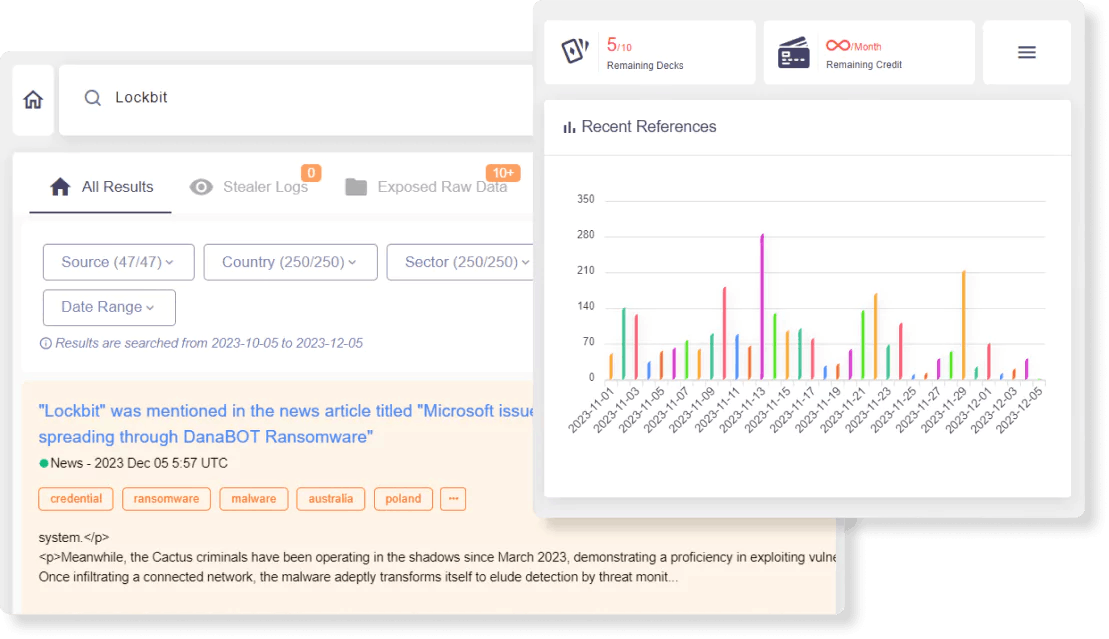
SOCRadar Advanced Dark Web Monitoring includes a built-in Dark Web Search Engine for searching underground activity, tracking mentions, and uncovering hidden risks faster.
This is where threat intelligence becomes especially valuable. With stronger monitoring and better visibility into hidden forums, markets, and discussions, businesses can detect exposure earlier and assess risks before they escalate. SOCRadar Advanced Dark Web Monitoring helps organizations extend surveillance across the deep, dark, and surface web, with real-time alerts, country-specific insights, stealer log tracking, PII exposure detection, underground chatter monitoring, and a built-in dark web search engine to uncover hidden risks faster.
Common Myths About Deep Web and Dark Web
A common myth is that the deep web is dangerous by default. In reality, the deep web includes secure and private services people use every day, such as banking, email, and internal business platforms. Another myth is that the Dark Web itself is automatically illegal. Accessing the Dark Web is not inherently illegal, but many activities associated with it may be. A third myth is that users can accidentally enter the Dark Web through a normal browser. In practice, accessing the Dark Web usually requires specific tools such as the Tor browser and deliberate action.
FAQs
Can you access the deep web without Tor?
Yes. Most deep web content is accessed through a regular browser after logging in to a service, portal, or private website. Tor is generally associated with accessing the Dark Web, not the deep web.
Are the deep web and Dark Web the same thing?
No. The deep web includes private, non-indexed content used for normal online activity, while the Dark Web is a hidden, encrypted environment that supports anonymous access and carries greater security risks.
The main difference is purpose and access. The deep web protects private data and websites through credentials and restricted access, while the Dark Web uses anonymizing tools like the Tor browser to hide websites and user activity.
Is it legal to access the deep web and the Dark Web?
Accessing the deep web is legal. Accessing the Dark Web is also legal in many places, but many activities that take place there may not be.
Do both the deep web and Dark Web require special browsers to access?
No. Only the Dark Web typically requires special browsers such as the Tor browser. The deep web is accessible through standard browsers.
What kind of content is typically found on the deep web vs. the Dark Web?
The deep web includes banking portals, email accounts, cloud platforms, academic resources, and internal systems. The Dark Web includes hidden forums, anonymous services, underground marketplaces, and criminal discussion spaces.
Why do people often confuse the deep web with the Dark Web?
People often confuse them because neither is indexed by standard search engines. Media coverage also tends to blur the distinction, even though their purpose, access, and risks are very different.
Can search engines index content from either the deep or Dark Web?
Generally, standard search engines do not index deep web content because it sits behind access controls. They also do not index most Dark Web content in the normal way because it exists on hidden networks and requires special access methods.

Table Of Content
Deep Web vs Dark Web: What’s the Difference?
What is the Deep Web?
What is the Dark Web?
Deep Web vs Dark Web (Key Differences Table)
Surface Web vs Deep Web vs Dark Web
How to Access the Deep Web and Dark Web
Risks of Using the Deep Web and Dark Web
How the Dark Web Impacts Cybersecurity
How Businesses Can Monitor Dark Web Activity
Common Myths About Deep Web and Dark Web
FAQs
Related Articles
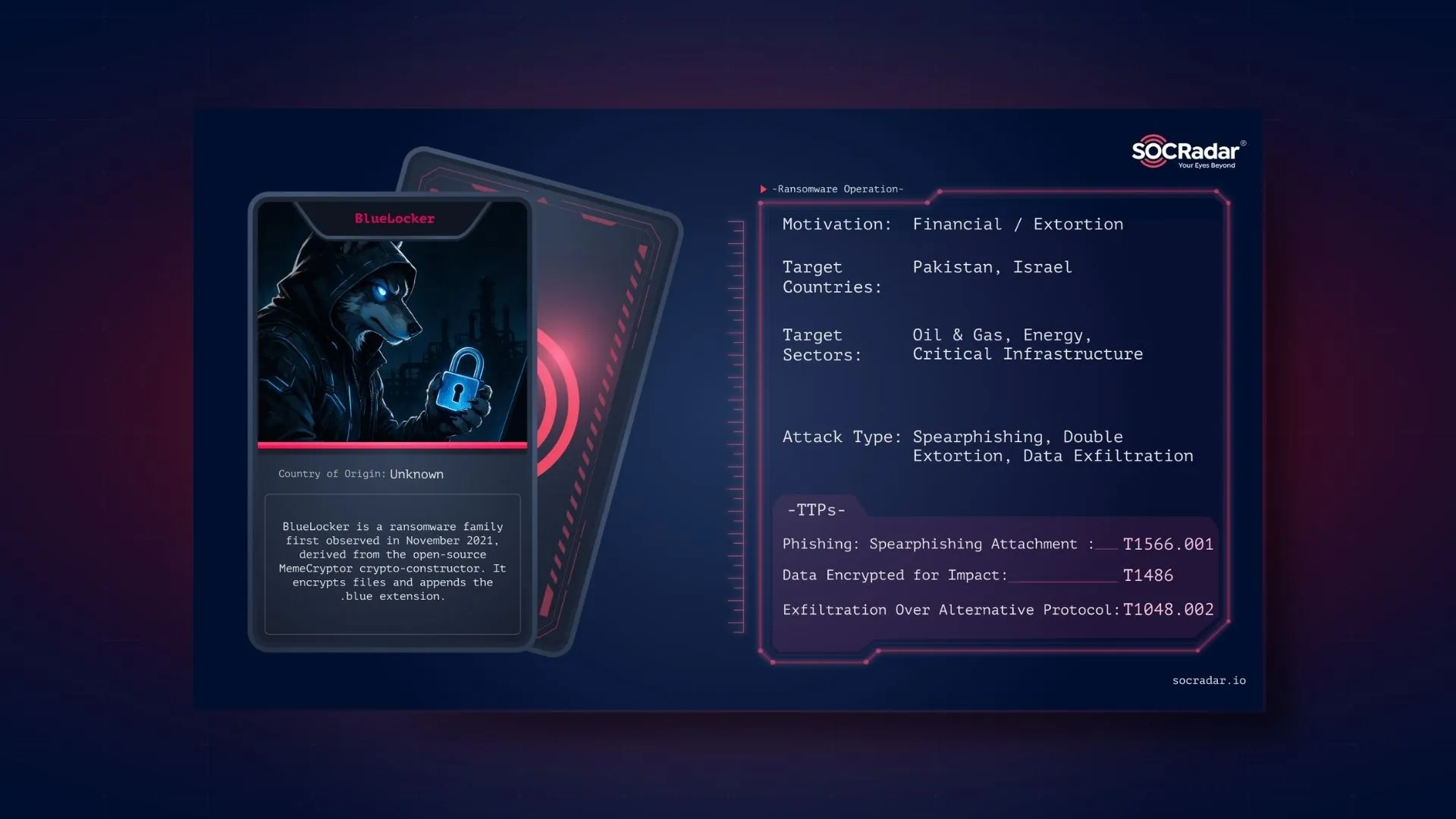
Dark Web Profile: Blue Locker Ransomware
Sep 25, 2026
ShinyHunters Claims Access to FBI Systems
Sep 24, 2026