

Mar 10, 2026

Mar 10, 2026
4 Mins Read
Sep 13, 2026
Table Of Content
Related Articles

SMS Bombing
Threat Actors
Jan 08, 2026
Dark Web Monitoring
Feb 19, 2026

Ransomware
Jan 31, 2026
OSINT Framework
Apr 17, 2026

What Is OpenClaw?
OpenClaw is described as a cybersecurity framework intended to support threat detection, analysis, and response through integrated security data and automation.
Because the term is not a broadly standardized security category, teams should assess any OpenClaw implementation by its documented components, data sources, deployment model, supported integrations, maintenance, and independently verifiable capabilities rather than relying on the name alone.
Key Takeaways
- OpenClaw is described as a cybersecurity framework intended to support threat detection, analysis, and response through integrated security data and automation.
- Because the term is not a broadly standardized security category, teams should assess any OpenClaw implementation by its documented components, data sources, deployment model, supported integrations, maintenance, and independently verifiable capabilities rather than relying on the name alone.
- Unclear provenance or unsupported claims is a primary concern.
- Effective programs combine prevention, continuous visibility, accountable ownership, and tested response.
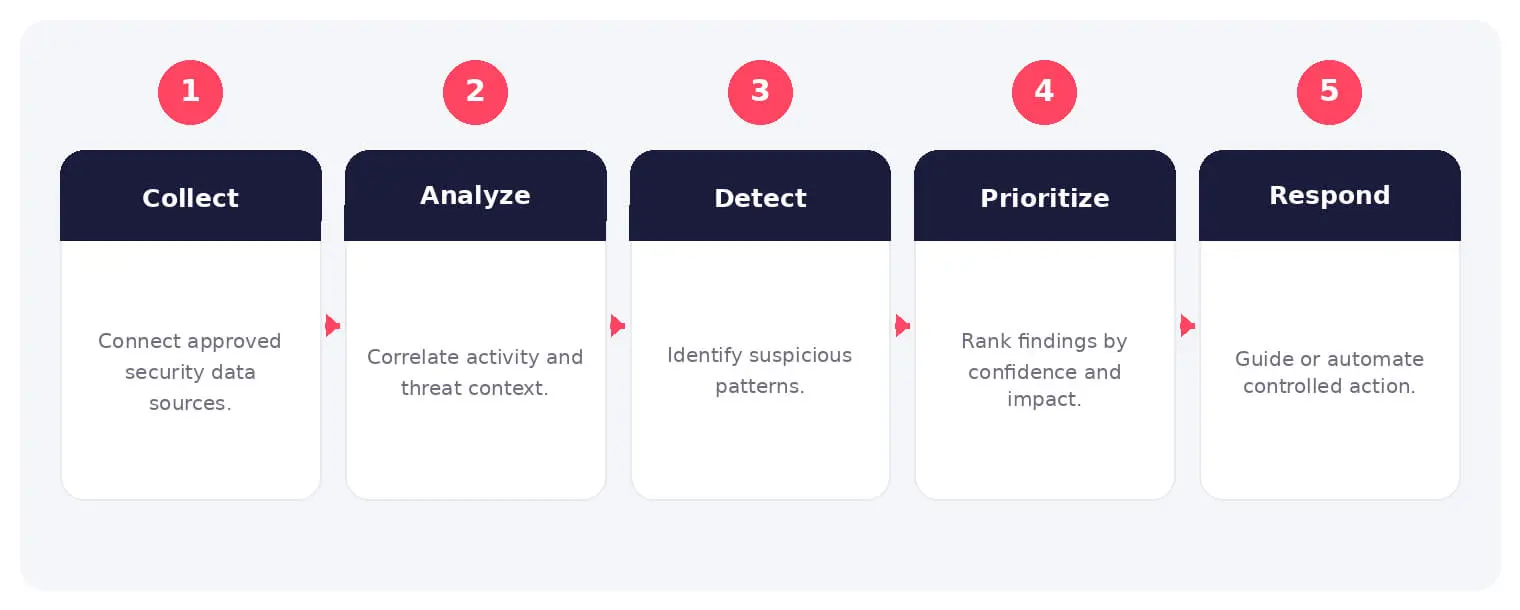
How It Works
The operating flow above turns the concept into observable steps. Exact implementations vary, but each stage needs accountable ownership, trusted inputs, documented policy, and evidence that analysts can use during investigation and review.
Because the term is not a broadly standardized security category, teams should assess any OpenClaw implementation by its documented components, data sources, deployment model, supported integrations, maintenance, and independently verifiable capabilities rather than relying on the name alone.
Common Types and Capabilities
- Threat-data aggregation
- Detection and correlation workflows
- Indicator enrichment and investigation
- Response orchestration and reporting
Security and Business Risks
- Unclear provenance or unsupported claims
- Weak integrations and incomplete visibility
- Automation acting on low-quality evidence
- Unmaintained components and access exposure
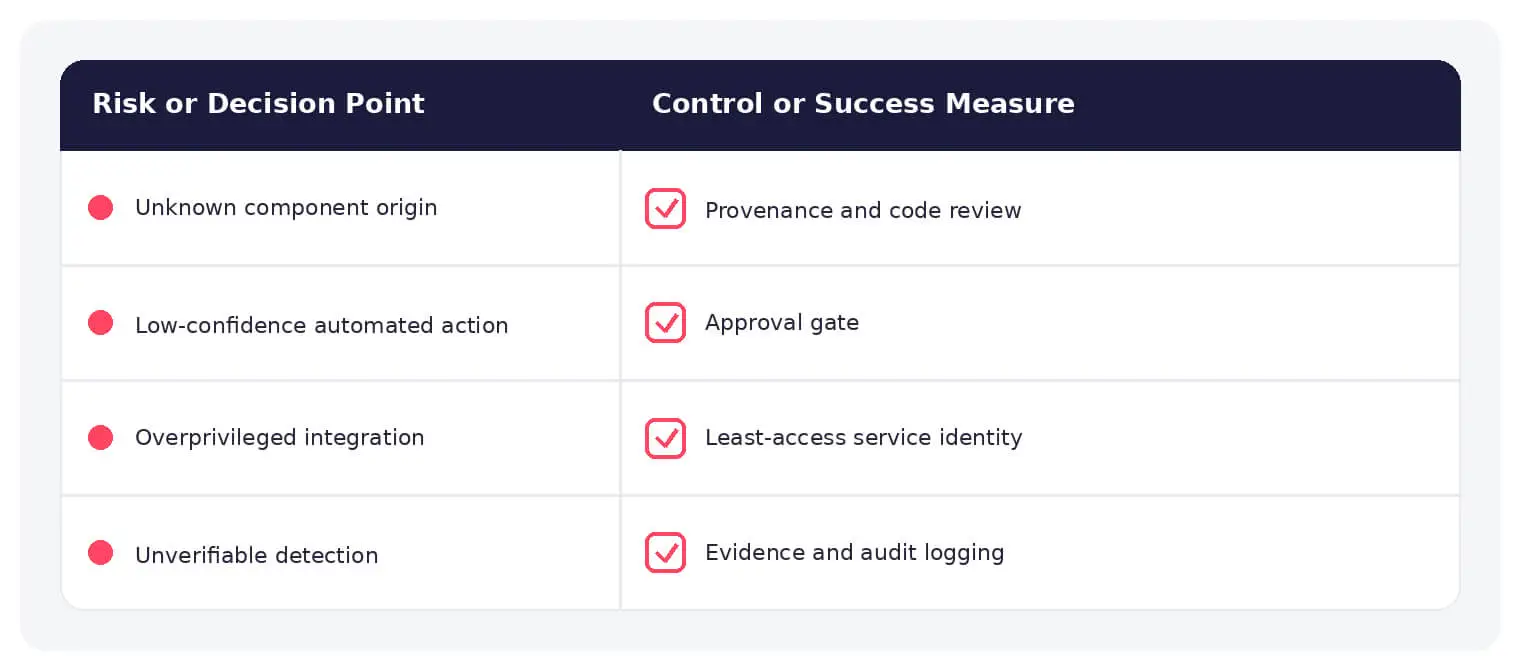
Warning Signs and Detection
Review product provenance, release history, maintainers, dependencies, permissions, network exposure, data retention, integration health, detection evidence, false-positive rates, response approvals, and whether outputs can be reproduced and audited.
Best Practices
Validate the specific distribution and documentation, test in an isolated environment, use least privilege, restrict integrations, preserve evidence, require approval for high-impact actions, monitor dependencies, and define rollback and support ownership.
How SOCRadar Can Help
SOCRadar adds external visibility, threat intelligence, exposure context, and continuous monitoring to help teams validate and prioritize risks related to OpenClaw. This context complements internal security operations, identity, response, and governance controls.
Explore SOCRadar Cyber Threat Intelligence or request a demo to strengthen threat-informed prevention and response.
Frequently Asked Questions
What Is OpenClaw?
OpenClaw is described as a cybersecurity framework intended to support threat detection, analysis, and response by combining security data sources with automation. Because the name is not tied to a widely standardized security category, its meaning depends on the specific implementation, project, or vendor using the term.
Why Is the Term OpenClaw Considered Ambiguous?
The label does not map to an established industry standard or certification, so two tools described as OpenClaw can differ significantly in origin and capability. Teams should treat the name as a starting point and rely on documented components, data sources, and deployment details rather than the branding itself.
What Capabilities Do OpenClaw Implementations Typically Include?
Described implementations commonly cover threat-data aggregation, detection and correlation workflows, indicator enrichment for investigations, and response orchestration with reporting. The exact scope varies, so each capability should be confirmed against the distribution’s documentation and tested against real outputs.
What Happens When Automation Acts on Low-Quality Evidence?
Automation that correlates or responds using unreliable inputs can escalate false positives, disrupt legitimate activity, or miss genuine threats. Requiring analyst approval for high-impact actions and tracking false-positive rates helps keep automated decisions accountable.
What Warning Signs Suggest an OpenClaw Deployment Needs Closer Review?
Red flags include unclear provenance, sparse release history, unmaintained dependencies, excessive permissions, unexplained network exposure, and outputs that cannot be reproduced or audited. Weak or undocumented integrations that leave visibility gaps are another indicator.
How Should Teams Assess an OpenClaw Tool Before Production Use?
Start by reviewing the distribution’s documentation, maintainers, and release history, then run it in an isolated test environment. Restrict integrations, apply least-privilege access, and confirm that detection evidence and response actions can be reproduced during evaluation.
What Controls Limit Damage From a Failing or Unmaintained OpenClaw Component?
Least-privilege access, restricted integrations, and approval gates for high-impact actions limit what a compromised or abandoned component can do. Defined rollback procedures and named support ownership allow the component to be disabled or replaced without stalling operations.
Is OpenClaw the Same as a SIEM or SOAR Platform?
No. The label overlaps with SIEM and SOAR functions such as aggregation and orchestration, but it is not a standardized product category. Tools described as OpenClaw may cover similar workflows, or they may be narrower, unmaintained, or materially different in practice.
What Business Impact Can an Unvetted OpenClaw Tool Introduce?
Poorly vetted implementations can create blind spots through incomplete visibility, trigger automated actions based on weak evidence, or expose access through unmaintained components. These gaps can slow incident response and reduce confidence in detection and reporting outputs.